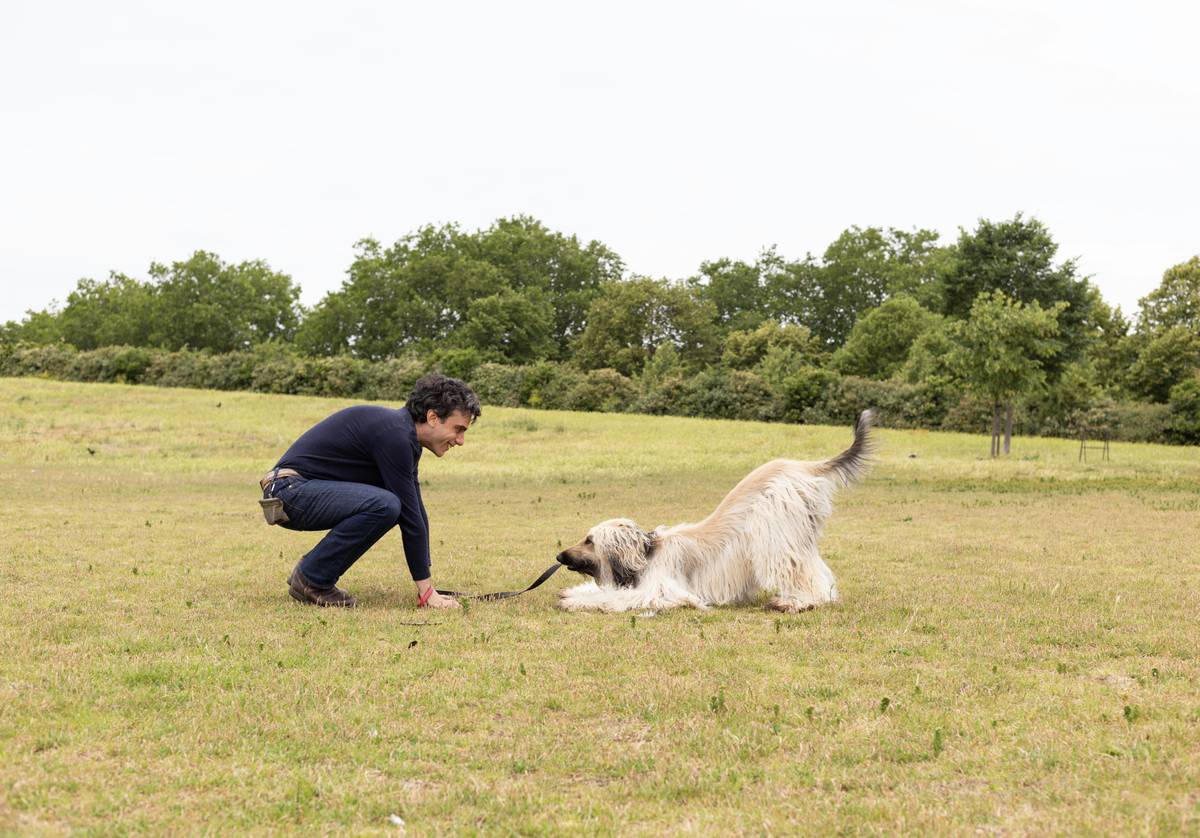
Your dog bolts the second a squirrel flicks its tail. You’ve drilled “come” for months—yet it vanishes like smoke when real distractions hit. It’s not disobedience. It’s poor proofing. Most recall training stops at obedience in quiet backyards. But life isn’t quiet. The fix? Strategic, progressive proofing tips that simulate chaos—before chaos finds your dog.
Why Standard Recall Training Fails in the Real World
Traditional methods reward compliance in sterile environments. Zero traffic. No smells. Just you, your treats, and your backyard zen garden. Reality? A garbage truck backfires, a jogger whizzes by, and your dog becomes deaf. Not because they’re “stubborn”—but because they were never taught to prioritize your cue amid sensory overload.
And here’s the uncomfortable truth: many trainers skip proofing entirely. They call it “recall,” but it’s just on-leash repetition masquerading as reliability. Without systematic exposure to escalating distractions, your cue is just background noise.
Step-by-Step Distraction-Proofing Protocol
Forget “more practice.” You need smarter layers. This isn’t about shouting louder—it’s about engineering success through controlled chaos.
Start Where Your Dog Succeeds (Not Where You Wish They Would)
If your dog reliably comes in the living room but ignores you at the park, don’t start at the park. Begin indoors with mild distractions—like tossing a toy nearby while calling. Reward only if they disengage from the toy and return. Build confidence before complexity.
Use “The 3D Framework”: Distance, Duration, Distraction
Never increase all three at once. Master one variable before adding another. For example: first increase distance with zero distraction. Then hold distance steady while introducing a low-level distraction (e.g., someone walking 20 feet away). Only after mastery do you combine both.
Make Returning More Rewarding Than the Distraction
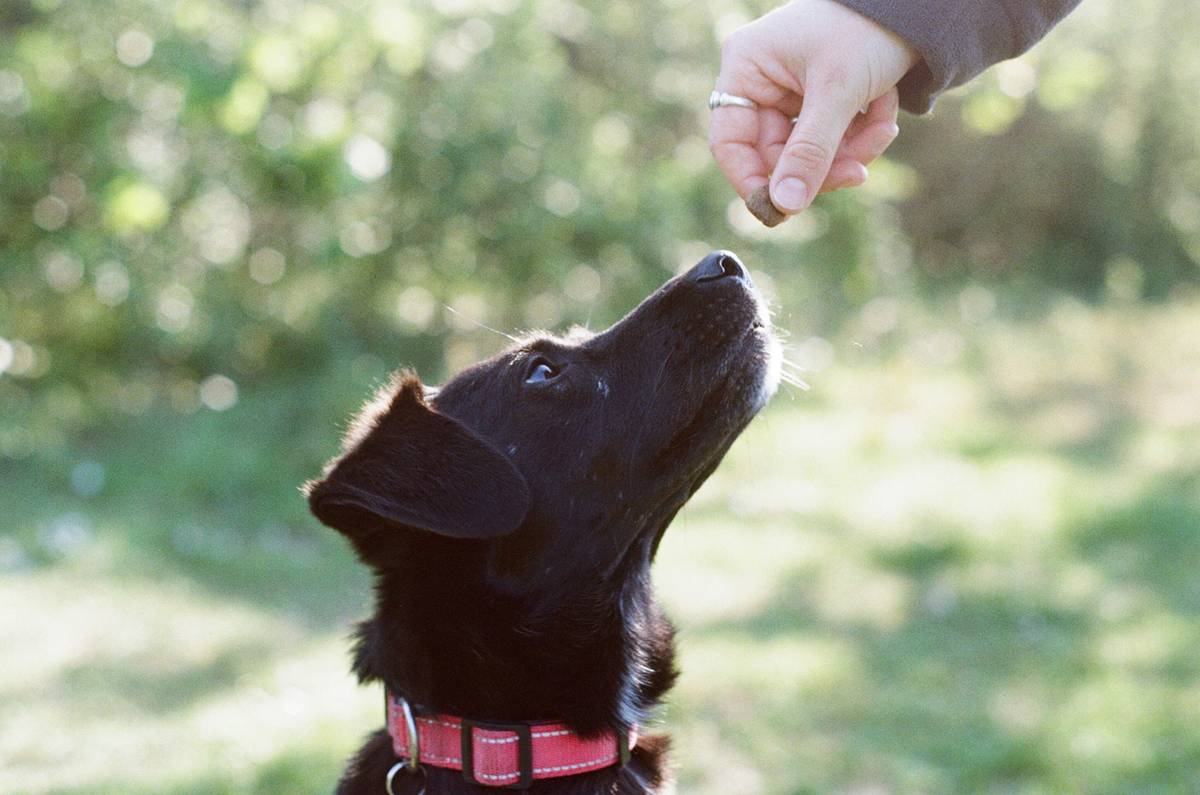
A squirrel offers novelty. Your treat offers … the same kibble they got this morning. Big mistake. Use high-value rewards *only* during proofing sessions—rotisserie chicken, freeze-dried liver, or a 10-second tug game. If the distraction wins, your reward system is broken.
| Distraction Level | Environment Example | Reward Strategy | Success Metric |
|---|---|---|---|
| Low | Quiet backyard with one novel object (ball, bag) | Medium-value treat + verbal praise | 9/10 recalls within 2 seconds |
| Medium | Suburban sidewalk with passing cars/bikes | High-value food + quick play burst | 8/10 recalls despite movement noise |
| High | Off-leash dog park edge with visual triggers | Ultra-high-value reward + emergency jackpot | 7/10 recalls with dogs/squirrels visible |
The Industry Secret: Train the “Reset,” Not Just the Recall
Top-tier trainers don’t obsess over perfect “comes.” They obsess over what happens *after* the dog returns. Here’s the secret: most dogs fail on the second or third recall in a session—not the first. Why? Because they learn that coming once gets them leashed up or sent home. So they gamble on ignoring cue #2.
Fix it by building a “reset ritual.” After your dog returns, reward heavily—then release them *back* to the environment (“Go sniff!”). This teaches: coming = more freedom, not less. Do this 3–5 times per session. Suddenly, recall isn’t an end—it’s a gateway. And your dog starts volunteering returns before you even ask.

Frequently Asked Questions
How long does distraction-proofing take?
It varies—but expect 4–8 weeks of consistent, staged practice. Rushing stages creates holes. Better to master low distraction than fake progress at high levels.
Can older dogs be proofed effectively?
Absolutely. Age isn’t the barrier; inconsistent history is. Start lower than you think, use higher-value rewards, and respect their attention span. Many senior dogs excel with clear structure.
What if my dog fails during proofing?
Don’t repeat the cue. Go back a step—reduce distance, remove the distraction, or switch to a long line. Failure means the setup was too hard, not that your dog is “bad.”