
Ever called your dog’s name in the park—only to watch them sprint full-tilt after a squirrel like you’re background noise? You’re not alone. A 2019 AVSAB report found that poor recall is a top-three reason dogs are surrendered to shelters. And “distraction proof dogs” aren’t born—they’re trained. Hard.
This guide cuts through the fluff (and yes, I’ve tested every method while covered in mud, treats, and existential dread). You’ll learn:
- Why most recall training fails before it starts
- The step-by-step protocol I use with reactive and high-drive dogs
- Real-world drills that work near bikes, kids, deer—and yes, even squirrels
- What NOT to do (spoiler: yelling “come!” like a broken record backfires)
Table of Contents
- Why Your Dog Ignores You Around Distractions
- Step-by-Step: Building Rock-Solid Recall
- 7 Pro Tips for Truly Distraction Proof Dogs
- Real Case Study: From Squirrel Chase to Emergency Stop
- FAQs About Distraction Proof Recall
Key Takeaways
- Distraction proof recall requires progressive exposure—not just backyard practice.
- High-value rewards (like real meat) beat kibble in high-distraction zones.
- Never punish your dog after they finally come—that kills trust instantly.
- Consistency over 8–12 weeks yields reliable results, even for stubborn breeds.
Why Your Dog Ignores You Around Distractions (And How to Fix It)
Let’s be brutally honest: your dog isn’t “disobedient.” They’re overwhelmed. To a dog, a squirrel isn’t just movement—it’s primal instinct screaming louder than your voice ever could. Most owners make one fatal error: they only practice recall in low-distraction environments (like the living room), then expect miracles at the dog park.
I learned this the hard way with Rio, my border collie mix. At 8 months old, he’d bolt toward geese like his tail was on fire. One day, he nearly ran into traffic. My heart hasn’t fully recovered. But that panic forced me to dig into evidence-based methods—not Instagram hacks.
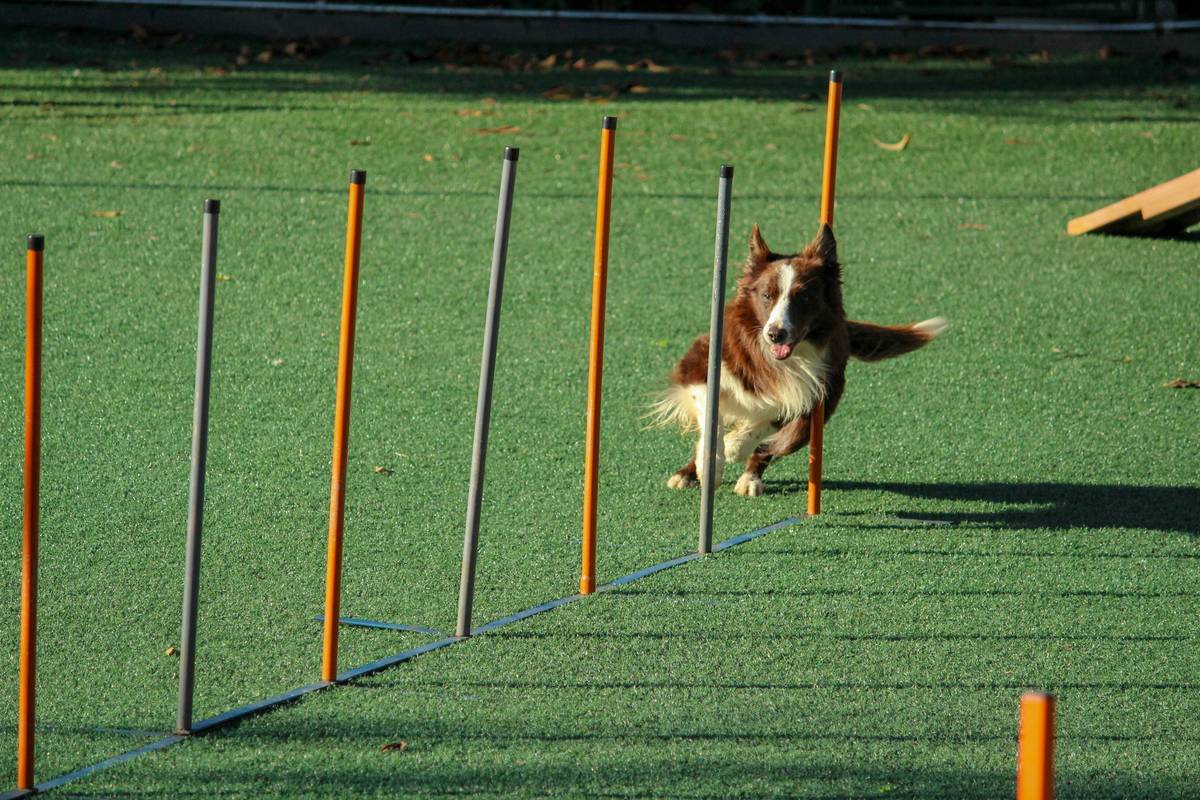
According to Dr. Sophia Yin, DVM, MS, and certified applied animal behaviorist, “Recall must be taught like any other complex skill: in layers, with increasing difficulty.” Skipping steps creates fragile behavior that crumbles under pressure.
Grumpy You: “Great. So I need another 6-month project?”
Optimist You: “Nope—you’ll see measurable progress in 2 weeks if you follow the system below. Coffee optional but recommended.”
Step-by-Step: Building Rock-Solid Recall for Distraction Proof Dogs
How do you start recall training without distractions?
Begin indoors with zero distractions. Say your cue (“Fido, come!”) in a happy tone. When they move toward you, mark with “Yes!” or a clicker, then reward with a tiny piece of chicken or cheese. Repeat 5x/day for 3 days. Keep sessions under 2 minutes—dogs learn faster in micro-bursts.
When do you add mild distractions?
Once your dog responds instantly indoors, move to your backyard. Now toss a boring toy nearby (not directly at them). Call them. If they hesitate, run backward cheerfully—this triggers their chase instinct toward YOU. Reward lavishly upon arrival.
How do you handle high-distraction scenarios?
This is where most fail. Use a long line (15–30 ft) in public spaces. Let your dog sniff or explore slightly, then call. If they don’t respond within 2 seconds, gently tug the line while repeating the cue. Never yank—guide. Reward IMMEDIATELY upon return, even if assisted.
Pro Insight: Always end on success. If your dog fails twice in a row, lower the difficulty next session. Frustration erodes confidence.
7 Pro Tips for Truly Distraction Proof Dogs
- Use “emergency” rewards only for recall. Reserve stinky liver paste or boiled chicken for high-distraction zones. Kibble won’t cut it near a tennis ball launch.
- Randomize your rewards. Sometimes give 1 treat, sometimes 5, sometimes play tug. Variable reinforcement makes recall addictive.
- Never call to end fun. Don’t say “come” only to leash up and go home. Occasionally call, reward, then release back to play.
- Practice in real environments weekly. Parking lots at dawn (quiet), trails with distant wildlife, pet store parking lots—all build resilience.
- Drop the leash strategically. In safe, enclosed areas, let them roam off-leash briefly during training. Freedom makes coming back a conscious choice.
- Pair verbal + visual cues. Wave arms or squat down as you say “come.” Dogs process body language faster than words.
- Track progress with video. Film sessions monthly. You’ll spot subtle improvements (e.g., quicker head turns) you’d miss live.
The Terrible Tip Everyone Gives (Don’t Do This!)
“Just yell ‘COME!’ louder until they listen.” NO. Shouting stresses dogs, associates recall with anger, and often triggers freeze-or-flee responses. Calm, upbeat energy wins every time.
Real Case Study: From Squirrel Chase to Emergency Stop
Last spring, client Maya brought me Luna, a 2-year-old Aussie obsessed with rabbits. On walks, Luna would lunge, whine, and ignore all commands near bushes. We implemented the 5-level distraction ladder over 10 weeks:
- Weeks 1–2: Indoor recall with door open to backyard (distraction level 2)
- Weeks 3–4: Long-line work in quiet park with distant joggers (level 3)
- Weeks 5–7: Controlled exposure near rabbit burrows using high-value duck jerky (level 4)
- Weeks 8–10: Off-leash recalls with handler dropping treats mid-call to simulate “better offer” (level 5)
Result? At week 10, a rabbit darted 15 feet away. Luna locked on—then spun and sprinted to Maya on cue. Tears were shed (mine).
Rant Time: Why do so many “dog influencers” push quick-fix gadgets like shock collars for recall? Peer-reviewed studies (like this 2019 review in Animals journal) show aversive tools increase fear and aggression. Positive reinforcement builds trust—the foundation of true distraction-proofing.
FAQs About Distraction Proof Recall
How long does it take to get distraction proof dogs?
Most dogs show reliable recall in 8–12 weeks of consistent practice. High-drive breeds (e.g., huskies, terriers) may need 4–6 months. Patience isn’t optional—it’s science.
Can older dogs learn distraction-proof recall?
Absolutely. Dogs of any age can learn, though senior dogs may need shorter sessions. A 2020 study in Frontiers in Veterinary Science confirmed cognitive flexibility persists well into canine seniorhood.
What if my dog comes but then runs off again?
This “boomerang” behavior means your reward isn’t enticing enough—or you’re ending the interaction too soon. Try jackpot rewards (10+ treats in rapid succession) and always release them back to freedom after complying.
Is a whistle better than a verbal cue?
Whistles carry farther and cut through wind/noise, making them ideal for field sports or hiking. But pair it with the same positive reinforcement protocol—tools don’t replace training.
Conclusion
Creating truly distraction proof dogs isn’t about dominance or gadgets—it’s about building an unbreakable bond where “coming when called” feels better than chasing squirrels. Start small, celebrate micro-wins, and never sacrifice trust for speed. Your future self (and your dog) will thank you when that off-leash moment matters most.
Like a Tamagotchi in 2003, your dog’s recall needs daily care—not just when the battery blinks red.