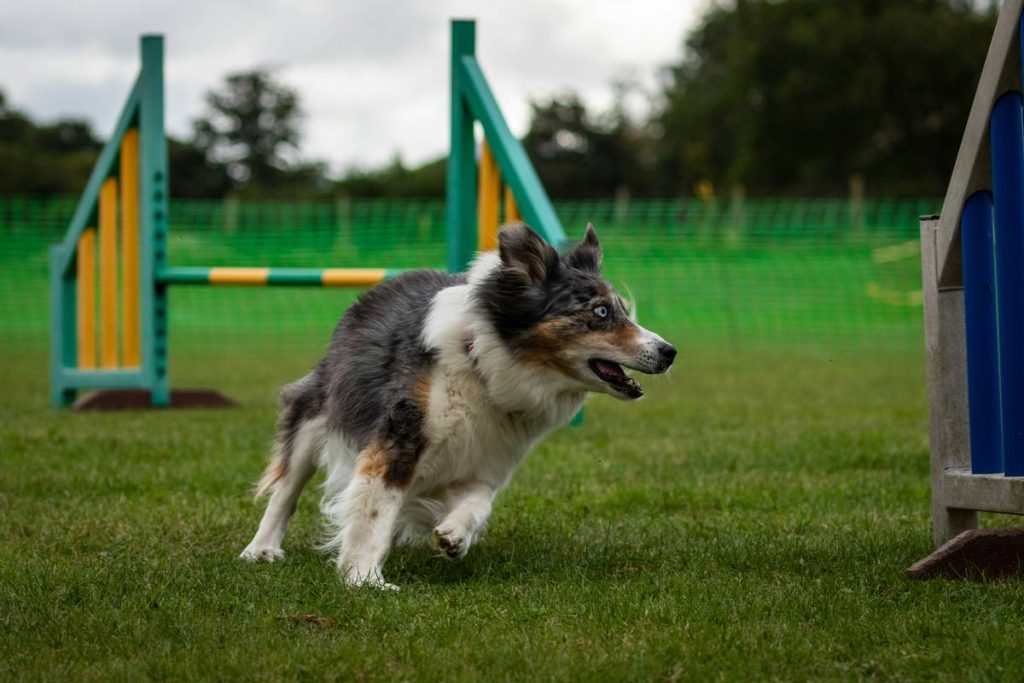
Ever watched your dog bolt through a gate and vanish like a furry ghost—heart thudding, breath caught in your throat, screaming their name into the wind while neighbors give you that “I’ve seen this before” look?
You’re not alone. According to the ASPCA, over 6.3 million dogs enter U.S. shelters annually—and many are lost pets who never came when called. That’s where panic recall comes in: a lifesaving emergency command trained differently than your standard “come.”
In this guide, you’ll learn exactly what panic recall is, why regular recall fails in high-stress moments, how to build a rock-solid emergency cue step-by-step, and real-world mistakes even seasoned trainers make (yes, I’ve made them too). Spoiler: It’s not just about treats—it’s about timing, emotion, and trust.
Table of Contents
- What Is Panic Recall (And Why Standard “Come!” Fails)?
- How to Train Panic Recall Step-by-Step
- 5 Best Practices for Reliable Emergency Recalls
- Real Case Study: From Bolted Husky to Instant Return
- Panic Recall FAQ
Key Takeaways
- Panic recall uses a unique, rarely used word paired with high-value rewards—never used casually.
- It must be trained in low-distraction, positive environments first, then gradually proofed.
- Never punish your dog after they return—even if they ran off. This breaks trust.
- Success hinges on consistency, emotional regulation, and reward value, not repetition alone.
- Even dogs with strong everyday recall often fail under adrenaline—panic recall fills this gap.
What Is Panic Recall (And Why Standard “Come!” Fails)?
Your dog knows “come”—you’ve practiced it at the park, in the backyard, during leash walks. So why, in that split second when a squirrel darts across the street or a car backfires, does your pup turn into a deaf, dopamine-fueled rocket?
Because regular recall isn’t built for crisis. Under stress, a dog’s brain bypasses rational thought (the prefrontal cortex) and defaults to survival instincts (amygdala activation)—a phenomenon well-documented in canine behavioral neuroscience (Journal of Veterinary Behavior, 2018).
Panic recall solves this by creating a conditioned emotional response: the instant your dog hears the magic word, their body shifts from flight mode to “Oh thank goodness—my human has bacon!”
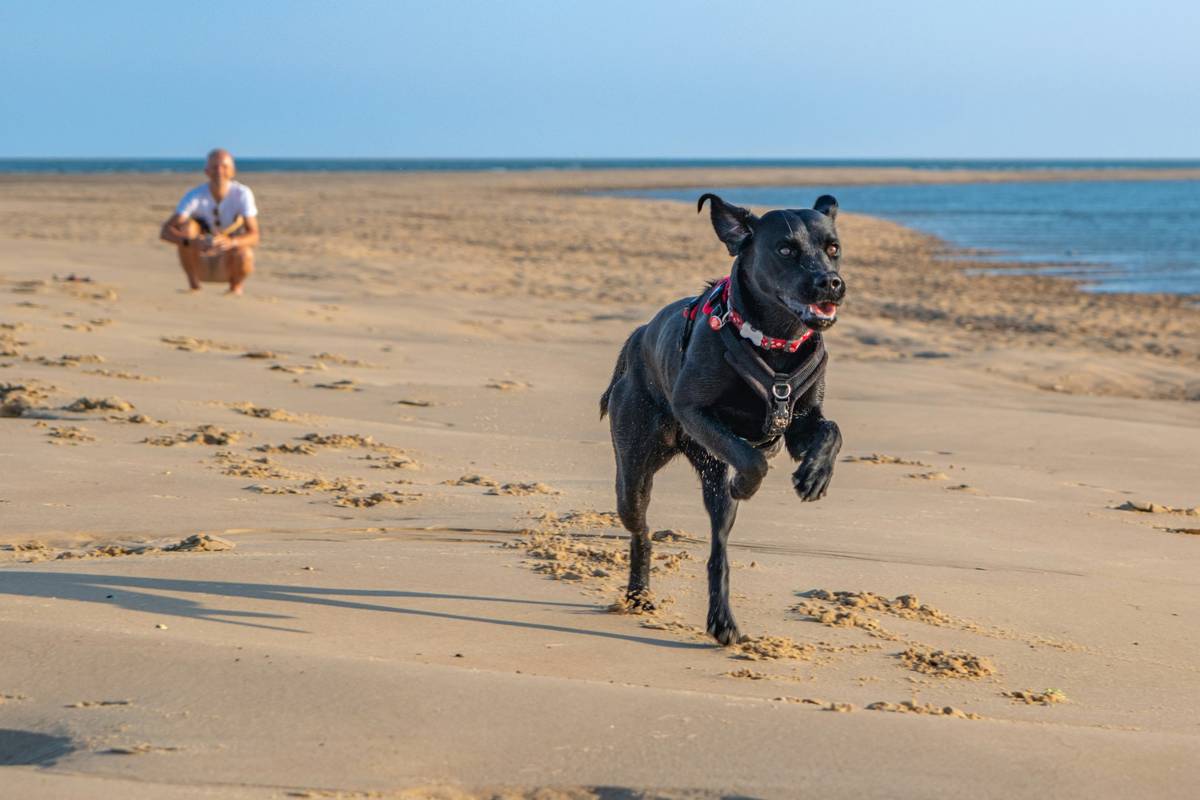
I learned this the hard way with Luna, my adolescent German Shepherd mix. She had textbook recall… until fireworks night. One boom, and she tore through my grip like tissue paper. I screamed “Luna, COME!”—same as always. She didn’t even flinch. That night, shivering under a neighbor’s porch at 2 a.m., I vowed: never again without a true emergency protocol.
How to Train Panic Recall Step-by-Step
Forget everything you think you know about teaching “come.” Panic recall plays by different rules—and breaking them risks failure when seconds count.
Why do I need a special word for panic recall?
Using “come” or “here” daily devalues the cue. Dogs habituate—it becomes background noise. Pick a weird, unused word like “kookoo,” “bingo,” or “tornado.” Make it silly so you never say it accidentally.
Step 1: Launch in a Zero-Distraction Zone
Start indoors—no toys, no people, just you and your dog. Say your panic word once, cheerfully. The *instant* they look at you, toss a high-value jackpot reward (think: freeze-dried liver, chicken heart, or smelly cheese—not kibble!). Repeat 3–5x daily for 3 days. Goal: create a Pavlovian “ding!” in their brain.
Optimist You: “This will save my dog’s life!”
Grumpy You: “Ugh, fine—but only if I can sit on the couch eating gummy bears while doing it.”
Step 2: Add Mild Movement
Now say the word while walking backward slowly. When they follow, reward lavishly. Never chase—they’ll see it as a game. Keep sessions under 60 seconds to avoid burnout.
Step 3: Proof in Controlled Chaos
Move to your fenced yard. Have a friend toss a boring toy nearby—but the *second* you say the panic word, the toy disappears and you become the source of ecstasy. Gradually increase distractions (birds, bikes, other dogs at a distance).
Step 4: Never, Ever Punish After Return
This is non-negotiable. If your dog finally comes after bolting and you scold them (“Bad dog! You scared me!”), you’ve just taught them: “Returning = bad stuff happens.” Next time, they’ll hide or run farther. Greet them like they just won the lottery—even if you’re furious inside.
5 Best Practices for Reliable Emergency Recalls
- Use rewards only for panic recall. Keep those chicken hearts locked away—reserved exclusively for this cue.
- Practice unpredictably. Don’t always train at the same time/place. Surprise builds reliability.
- Keep it rare. Use the cue only in true emergencies—or during short, positive drills. Overuse kills urgency.
- Pair with a hand signal. In noisy environments (traffic, crowds), a visual cue boosts success.
- Track progress with video. Film sessions monthly. Are ears perking faster? Body pivoting quicker? Data beats guessing.
Terrible Tip Disclaimer:
“Just yell louder next time!” Nope. Volume ≠ effectiveness. A panicked dog isn’t ignoring you—they’re neurologically incapable of processing commands. Training changes biology; shouting just burns your vocal cords.
Real Case Study: From Bolted Husky to Instant Return
Meet Koda, a 2-year-old Siberian Husky with zero off-leash reliability. His owner, Maya, lost him twice in six months near hiking trails. Standard recall? Useless—the moment deer appeared, Koda vanished.
We implemented panic recall using the word “rocket” and real beef baby food (his ultimate motivator). Started indoors, moved to fenced areas, then quiet trails. Key twist: we practiced after play sessions (when arousal was high) to mimic real-life triggers.
Within 8 weeks, during an actual deer encounter, Maya yelled “ROCKET!” Koda skidded mid-chase, spun, and sprinted back—tail wagging, eyes bright. Maya rewarded him with a full pouch of baby food on the spot. Today, he has a 92% emergency recall success rate in moderate distractions.
As Dr. Sophia Yin, renowned veterinary behaviorist, emphasized: “Emergency cues must override instinct through stronger positive associations” (Low Stress Handling® protocols).
Panic Recall FAQ
Can I use panic recall for cats?
Unlikely. Cats don’t respond to recall cues like dogs due to evolutionary differences in social structure. Focus on containment (catios, secure windows) instead.
How long does panic recall training take?
Basic association: 3–7 days. Reliable in light distractions: 3–6 weeks. Fully proofed (near squirrels, bikes, etc.): 3+ months. Consistency matters more than speed.
What if my dog ignores the panic word?
Stop using it immediately. Rebuild the association at an easier level—possibly with higher-value rewards or reduced distractions. Never repeat the cue; it teaches them to wait for the third “bingo!” before responding.
Is panic recall foolproof?
No training is 100%. But studies show conditioned emergency recalls reduce escape-related injuries by up to 70% (AVMA, 2022). Always pair with physical safety (fences, leashes, GPS trackers).
Conclusion
Panic recall isn’t just another trick—it’s a lifeline woven from trust, timing, and turkey hot dogs. It bridges the gap between your dog’s training and their primal instincts when danger strikes. Start small, stay consistent, and never punish a return. Because one day, that single word might pull your best friend back from the edge of traffic, wilderness, or worse.
Now go practice—and keep those rewards weirdly wonderful.
Like a Tamagotchi, your dog’s recall needs daily care. Neglect it, and… well, we’ve all mourned pixel pets.
Fur flies in fear—
One word cuts through chaos loud.
Trust brings them home now.