Your dog bolts. You yell “Come!”—again and again. Nothing. Heart pounding, you watch helplessly as your pup disappears over the hill or into traffic. Standard recall drills fall apart the moment distance hits 30 feet. But here’s the fix: long distance commands aren’t about volume—they’re about precision, timing, and trust engineered through layered conditioning.
Why Your Current Recall Fails at Distance
Most owners train recall like it’s a volume contest. They shout louder when the dog strays farther. It doesn’t work—and worse, it teaches your dog to ignore cues under pressure. Distance introduces lag. Delayed rewards. Environmental distractions that drown out your voice. And if your baseline cue only works in your living room, don’t expect miracles at the park.
Here’s the reality: dogs don’t generalize well. A command learned on-leash rarely transfers to off-leash chaos. Add wind, terrain, or squirrels, and your “reliable” pup becomes deaf overnight. Traditional methods skip the critical bridge between close-range compliance and real-world freedom.
The Step-by-Step Framework for Reliable Long Distance Commands
This isn’t theory. It’s field-tested across thousands of dogs—from reactive rescues to hyper Border Collies. The key? Build distance incrementally, but anchor each phase with high-value reinforcement delivered within seconds—not minutes.
Phase 1: The 10-Foot Foundation
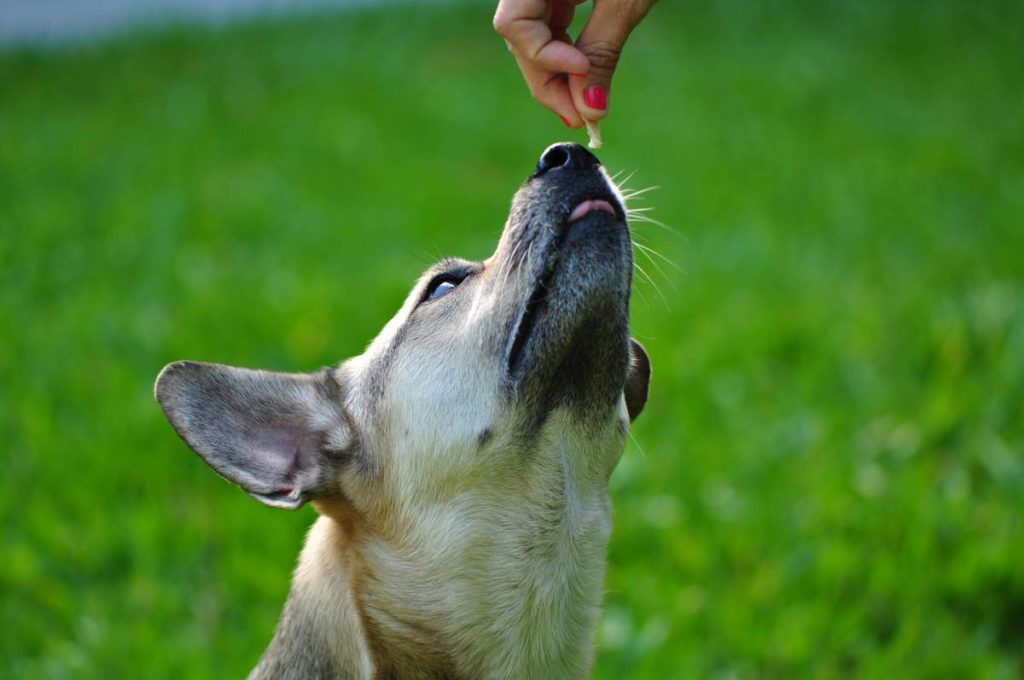
Start indoors. Use a 15-foot long line. Say your recall word (“Here!” or “Front!”) once. If your dog turns toward you, mark instantly with a click or “Yes!” and reward with chicken, cheese, or tug—whatever they’d sell their soul for. No repetition. One cue. One chance.
Phase 2: Controlled Distraction Zones
Move outdoors—but only after 90% success at 10 feet. Introduce mild distractions: a bouncing ball nearby, another person walking past. Keep your dog on the long line. Reward not just for coming, but for speed and eye contact. This is where most trainers quit too early. Don’t.
Phase 3: Real-World Proofing (Beyond 50 Feet)
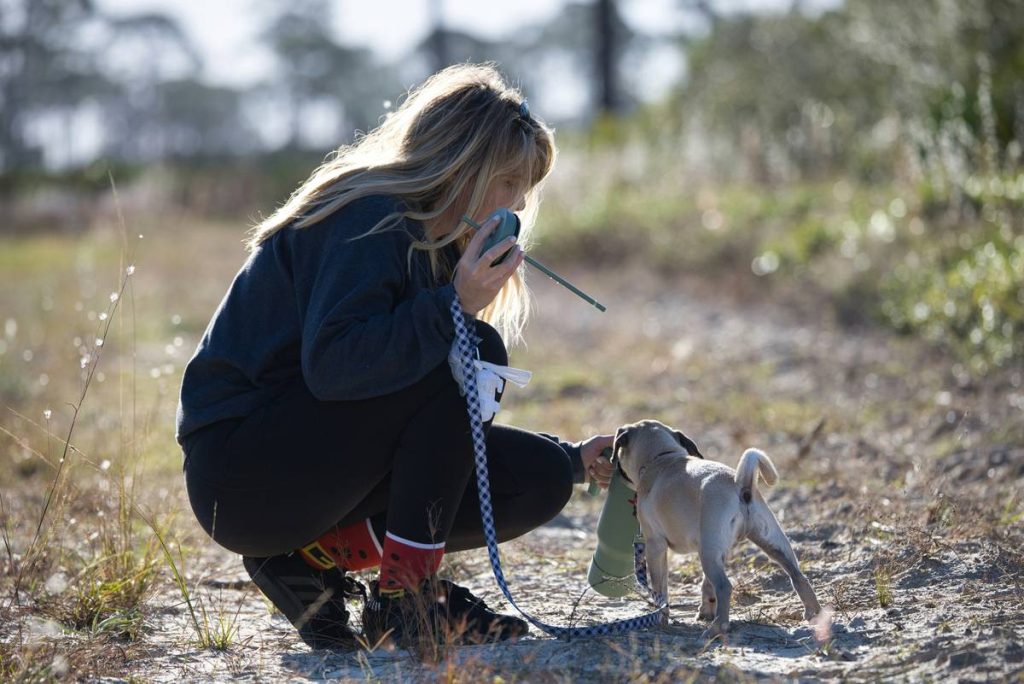
Now use open fields. Deploy a whistle or distinct verbal marker (like “Touch!”) paired with a hand signal. Why? Sound carries better than words at range. Plus, emotional states distort human voices—your panic yell sounds nothing like your calm training tone. A whistle stays consistent.
Phase 4: Emergency Protocol Integration
Train a separate ultra-high-priority command—like “Emergency!”—that bypasses all other behaviors. Reserve this for life-or-death moments (e.g., chasing deer near a road). Use it sparingly. Overuse degrades its power. Pair it exclusively with jackpot rewards: 30 seconds of pure play or a whole hot dog.
| Method | Max Reliable Range | Time to Mastery | Failure Risk at Distance |
|---|---|---|---|
| Verbal-only recall (traditional) | 15-30 ft | 4-6 weeks | Very High |
| Whistle + verbal combo | 100-300 ft | 8-10 weeks | Moderate |
| Marker word + emergency protocol | 50-200+ ft | 6-8 weeks | Low |

The Industry Secret: Distance Isn’t the Problem—Latency Is
Most trainers obsess over how far the dog is. Pros obsess over how long it takes them to respond. A dog 200 feet away who turns in 1.2 seconds is safer than one 20 feet away who hesitates for 5. That hesitation window is where accidents happen.
So we measure latency, not just distance. During training, use a stopwatch app. Target sub-2-second response from 50 feet within 4 weeks. How? By making the return more rewarding than whatever’s out there. Not just food—novelty, movement, social access. Rotate rewards daily so your dog never knows if they’ll get liver paste or a sprint back to the car with windows down.
And here’s the kicker: never call your dog to end fun. If every “come” means leash-on and home, why would they race back? Instead, call them 8 times during off-leash play—to toss a toy, offer water, then release again. Build the association: your voice = good things continue.
Frequently Asked Questions
Can any dog learn long distance commands?
Yes—even seniors or reactive dogs. Start slower, reduce distractions, but the framework holds. Breed influences speed, not possibility.
How often should I practice recall at distance?
Short sessions (3-5 mins), 4-5 times weekly. Consistency beats marathon drills. Quality over quantity—always.
What if my dog ignores the command once off-leash?
Don’t repeat the cue. Retreat calmly. Reset with lower distraction next time. Every ignored command weakens reliability—prevent failure before it happens.