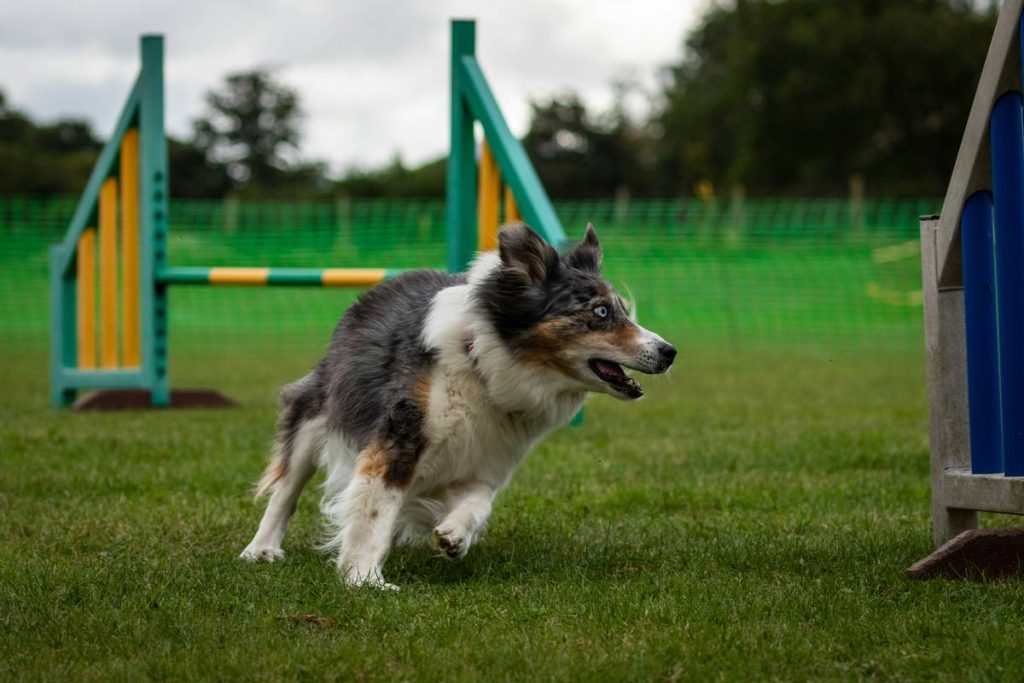
Your dog bolts—chasing a squirrel, lunging toward traffic, or vanishing into the woods. Your voice cracks. Your heart stops. Standard “come” commands fail. This isn’t disobedience. It’s biology. And without emergency recall dogs training, you’re gambling with their life.
Why Standard Recall Training Fails in Emergencies
Traditional recall drills happen in quiet backyards with zero distractions. Real emergencies? Chaos. Adrenaline. Prey drive. Your pup’s brain shuts off everything—including your voice.
Most owners practice “come” when it’s convenient. But emergency recall isn’t about obedience—it’s about overriding instinct. And that requires a different protocol entirely.

Step-by-Step Emergency Recall Protocol That Actually Works
Forget everything you’ve heard about repeating “come.” Emergency recall hinges on one thing: value. Not treats. Not praise. Unbreakable association.
Build a Unique Emergency Cue
Pick a word or sound nobody else uses—“Zoom!” “Frodo!” A whistle pattern. Never use it casually. Ever. This cue means: “Drop everything. Life depends on it.”
Condition with Extreme Positive Reinforcement
Start indoors. Say your cue—then immediately throw a high-value reward (real meat, not kibble) on the floor. No waiting. No asking twice. Repeat 10x/day for 3 days. Your dog learns: cue = jackpot appears.
Simulate Controlled Distractions
Move to the backyard. Have a friend toss a ball nearby. When your dog looks away—use the cue. Reward the instant they turn toward you. Not when they reach you. The turn is the behavior you’re reinforcing.
Graduate to High-Stakes Scenarios
Practice near low-traffic streets. Use long lines. If your dog hesitates, gently guide them in—then reward like they saved your life. Because someday, they might.
| Method | Time to Reliability | Cost | Failure Risk in Crisis |
|---|---|---|---|
| Traditional “Come” Command | 3–6 months | $0–$50 | High (fails under arousal) |
| Positive Reinforcement Recall | 2–4 months | $100–$300 (class fees) | Moderate (varies by distraction level) |
| Emergency Recall Protocol | 3–6 weeks | $20–$100 (meat rewards + long line) | Low (if cued correctly) |

The Industry Secret: Emergency Recall Isn’t Taught—It’s Preserved
Here’s what most trainers won’t tell you: once you build a rock-solid emergency recall, you must stop using it casually. Every time you say the cue to call your dog for dinner or to come inside, you dilute its power. The magic lives in its rarity. Treat it like a fire alarm—only pull it when everything’s on the line. I’ve seen too many owners ruin months of work by testing the cue “just to see if it works.” Don’t be that person. Save it. Protect it. Your dog’s life depends on that single, sacred word holding absolute authority.
Frequently Asked Questions
What’s the best emergency recall word for dogs?
Choose something unusual and explosive—like “Kookoo!” or “Jet!”—that cuts through noise and isn’t used in daily conversation.
Can older dogs learn emergency recall?
Yes. Age doesn’t matter. Consistency does. Older dogs often learn faster because they’re less impulsive than puppies—if you use high-value rewards.
How often should I practice emergency recall?
2–3 short sessions per week after initial conditioning. But never use the real cue outside of practice until a true emergency arises.