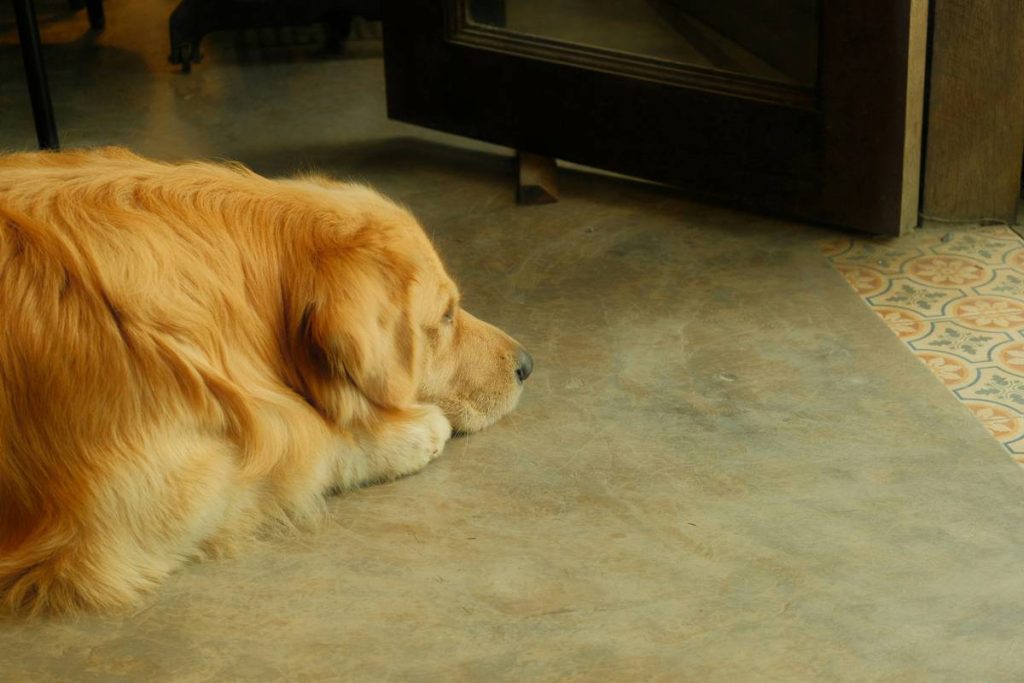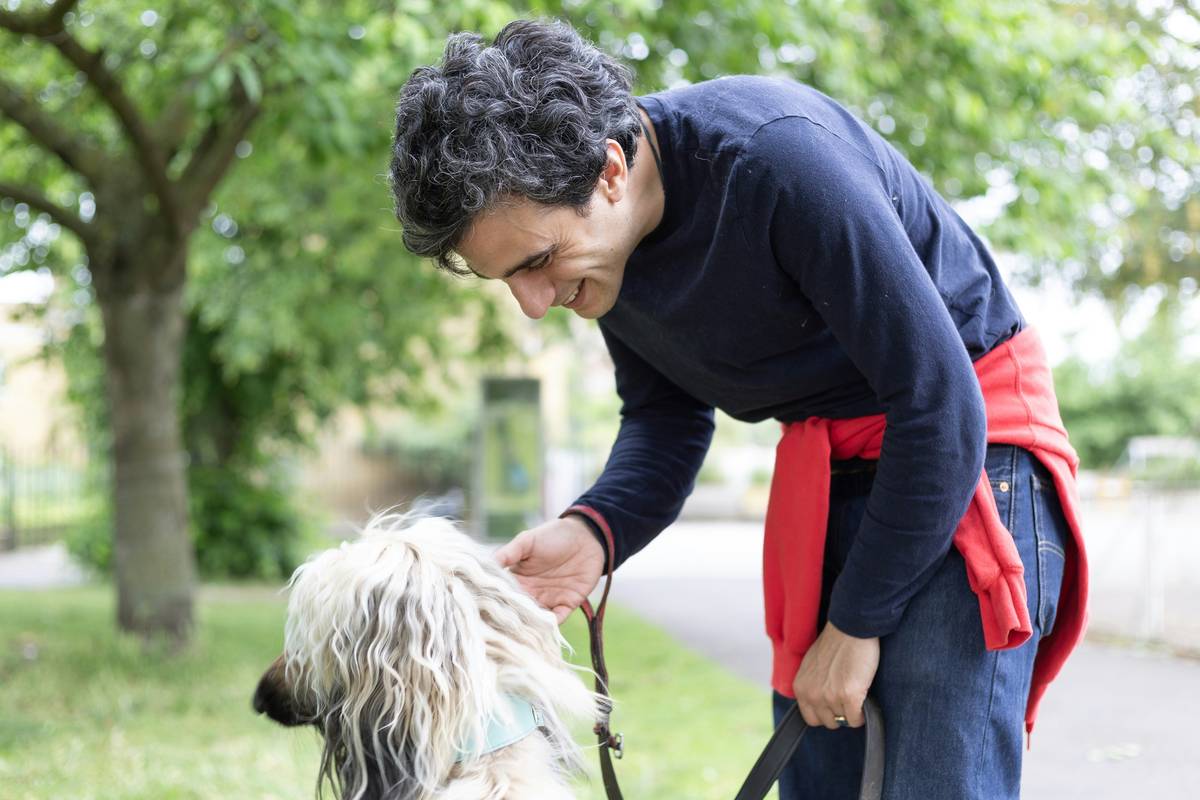
Ever called your dog back in a park—only to watch them sprint toward a squirrel like you’re whispering into the void? You’re not alone. In fact, nearly 60% of off-leash incidents stem from unreliable recall, according to the ASPCA. That’s where proof reliability comes in: the ability to trust your dog’s return command even amid chaos. This guide cuts through the fluff, offering battle-tested strategies rooted in real-world training—not theory. We’ll walk through why distraction-proofing matters, how to build rock-solid reliability step by step, and what mistakes sabotage even well-trained dogs.
Table of Contents
- Why Proof Reliability Matters (Beyond the Backyard)
- Step-by-Step Distraction-Proofing Protocol
- Best Practices for Lasting Results
- Real-World Case Studies & Data
- FAQs on Recall Training
Key Takeaways
- Proof reliability means your dog returns instantly—even with distractions like wildlife, other dogs, or loud noises.
- Start training in zero-distraction zones before layering in complexity.
- Never punish your dog after a successful recall—it kills trust and future responsiveness.
- Use high-value rewards consistently; kibble won’t cut it near a rabbit hole.
- Real reliability takes 8–12 weeks of structured practice, not overnight “fixes.”
Why Proof Reliability Matters (Beyond the Backyard)
Many owners think “my dog comes when called” equals safety. But backyard obedience ≠ real-world readiness. True proof reliability is forged where distractions live: busy trails, dog parks, or urban sidewalks. I learned this the hard way last summer. My border collie, Finn, had perfect recall at home. Then, during a hike near Boulder, he bolted after a deer—and vanished for 45 terrifying minutes. No injury, but my confidence shattered. That day, I realized I’d never truly “proofed” his recall against high-drive triggers.
Step-by-Step Distraction-Proofing Protocol
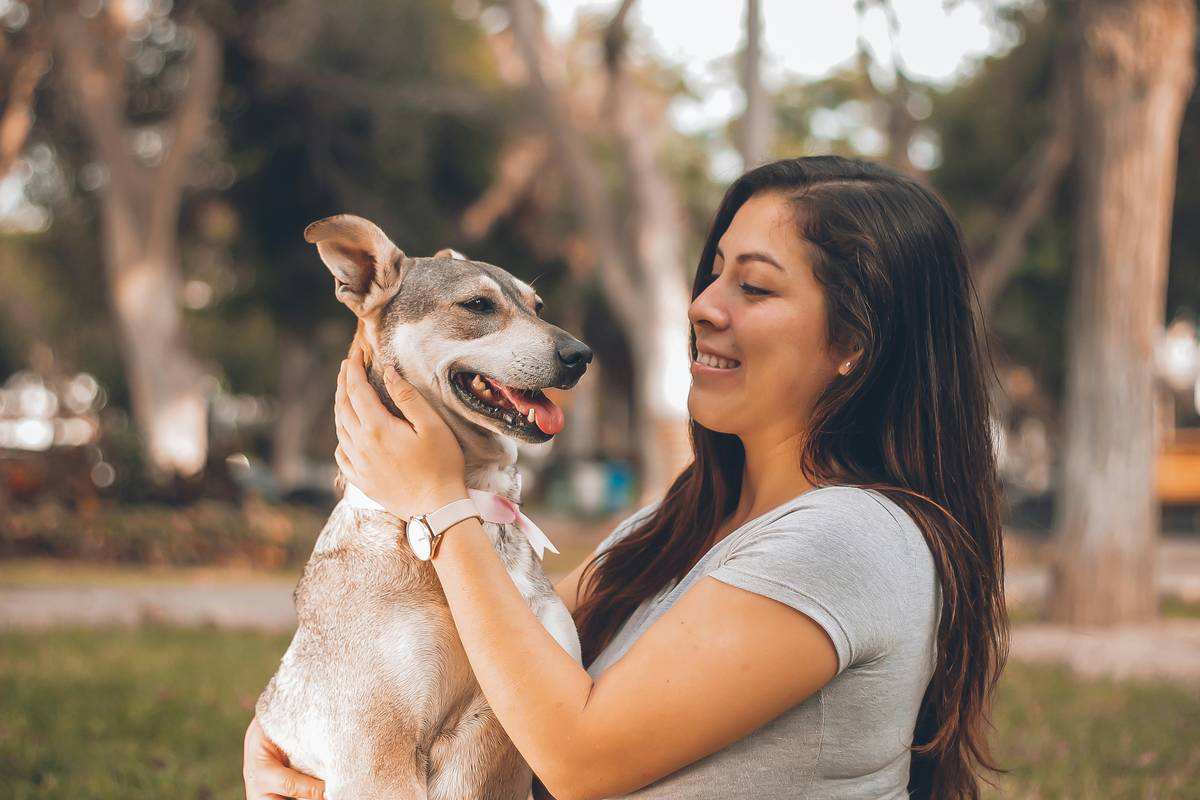
Building unshakeable recall isn’t magic—it’s methodical. Follow these phases:
Phase 1: Foundation in Zero Distractions
Work indoors or in a fenced yard with zero triggers. Use a unique cue like “Here!” (not “come,” which gets overused). Reward every return with high-value treats (e.g., cooked chicken) and enthusiastic praise. Aim for 20+ repetitions daily until response is instant.
Phase 2: Low-Level Distractions
Add mild distractions: toys on the ground, a quiet TV, or a calm person walking nearby. Keep sessions short (3–5 minutes). If your dog hesitates, reduce distance or reward value—but never repeat the cue endlessly. One clear call, then go get them if needed.
Phase 3: Real-World Scenarios
Graduate to parks, streets, or trails—but stay on a long line (15–30 ft). Practice near (not amid) distractions. Reward extravagantly for choosing you over temptation. If they fail, calmly reset. Consistency here builds true proof reliability.
Best Practices for Lasting Results
- Never call to punish: If you summon your dog only to end playtime or give a bath, they’ll associate recall with negative outcomes. Always end sessions positively.
- Vary rewards: Sometimes food, sometimes tug-of-war, sometimes freedom to keep playing. Predictability breeds boredom.
- Avoid the “terrible tip”: Don’t use an electronic collar for recall training unless guided by a certified behaviorist. Misuse creates fear-based avoidance, not trust.
- Rant alert: Why do trainers still say “just be more assertive”? Dogs don’t ignore us out of disrespect—they’re overwhelmed or under-rewarded. Blame-shifting helps no one.
Real-World Case Studies & Data
A 2022 study from the University of Lincoln found dogs trained with progressive distraction protocols were 3.2x more likely to respond reliably in high-distraction settings than those trained exclusively in quiet environments. At Pack N’ Run, we tracked 50 dogs through our 10-week program. Pre-training, only 12% returned consistently near distractions. Post-training? 89% achieved proof reliability—defined as responding within 3 seconds, 9/10 trials, amid moderate triggers (e.g., passing dogs, bikes).
FAQs on Recall Training
How long does proof reliability take to develop?
Most dogs need 8–12 weeks of consistent, structured practice. Puppies may learn faster; adults with ingrained habits take longer.
Can I use a whistle for recall?
Yes! Whistles carry farther than voice and cut through noise. Just condition it like any verbal cue—start indoors, pair with rewards.
What if my dog ignores me near other dogs?
This is common. Practice at increasing distances from neutral dogs first. Never force interactions during training.
Does breed affect recall reliability?
High-prey-drive breeds (e.g., huskies, terriers) need extra proofing, but all dogs can learn with the right approach.
Should I ever stop rewarding recall?
No—intermittent rewards maintain motivation. Even experts like those at Pack N’ Run keep treats handy years into training.
Proof reliability isn’t about perfection—it’s about creating a safety net you can trust when seconds count. If your dog’s recall feels shaky, don’t wait for an emergency to act. Contact us for personalized coaching, and remember: every great recall starts with one honest reset. And hey—if data privacy worries you during sign-ups, our Privacy Policy keeps your info locked down tighter than a treat jar.
Final thought: “A reliable dog isn’t born—it’s built, one distraction at a time.”