Ever called your dog from across the park—only to watch them bolt toward a squirrel like you’re background noise? You’re not alone. Mastering recall range is one of the most frustrating, yet vital, skills in pet training. Without it, off-leash freedom becomes a gamble. This guide cuts through the fluff with actionable steps, real mistakes I’ve made (yes, including that embarrassing lake incident), and science-backed methods to build rock-solid distance recall. We’ll cover everything from foundational cues to troubleshooting fails—and how to extend your dog’s reliable response zone without risking their safety.
Table of Contents
- Why Recall Range Matters More Than You Think
- Step-by-Step Distance Recall Training
- Best Practices for Long-Range Success
- Real-World Case Studies: From Zero to 100 Yards
- Recall Range FAQs
Key Takeaways
- Start training in zero-distraction environments before scaling distance.
- Never punish your dog after a delayed recall—it kills motivation.
- Use high-value rewards (like chicken or cheese) exclusively for recall practice.
- Average dogs achieve reliable recall range of 30–50 yards with consistent training.
- Gradual progression prevents flooding and builds trust.
Why Recall Range Matters More Than You Think
Most owners train recall only in their backyard. But real life happens in parks, hiking trails, and busy streets—where distractions multiply and safety margins shrink. According to the ASPCA, nearly 1 in 3 lost dogs escapes because they failed to respond to a recall command. That gap between “works at home” and “works at the dog park” is your recall range problem.
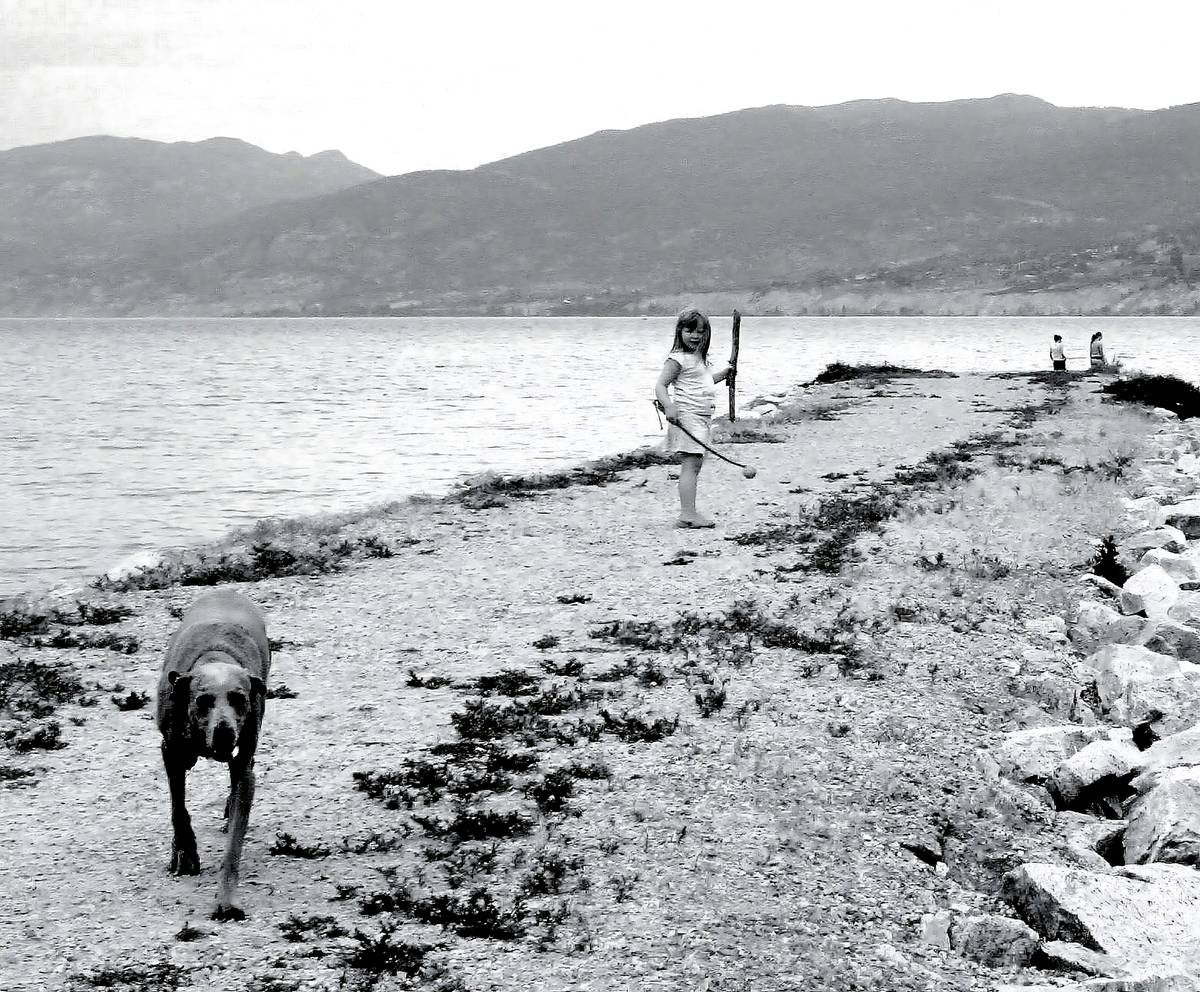
I learned this the hard way. During a hike near Boulder, my Border Collie spotted a deer 80 yards off-trail. My “come!” got zero reaction. He vanished for 20 terrifying minutes. That day, I realized my training capped out at 15 feet—and I’d never tested his limits until it was too late.
Step-by-Step Distance Recall Training
Phase 1: Foundation Indoors
Begin inside your home. Say your dog’s name + cue (“Buddy, come!”) while crouching with open arms. Reward instantly with a high-value treat when they arrive. Repeat 5x daily for 3 days. No corrections—ever.
Phase 2: Controlled Backyard Drills
Move to a fenced yard. Toss a boring toy, then call mid-retrieval. Reward only if they disengage from the toy to return. Gradually increase distance: start at 5 feet, then 10, then 20. Use a long line (30–50 ft) for safety—not punishment.
Phase 3: Distraction Integration
Now add mild distractions: have a family member walk by, or drop treats nearby. If your dog hesitates, lower the distance temporarily. Success here builds resilience for real-world chaos.
Best Practices for Long-Range Success
- Never say “come” unless you can enforce it. If off-leash in an unsafe area, use a whistle or silent recall signal instead.
- Vary your rewards. Sometimes it’s chicken, sometimes play, sometimes praise. Unpredictability boosts engagement.
- Avoid the “terrible tip” trap: Don’t call your dog to end fun (like leaving the park). Always reward first, then leash up.
- Track progress weekly. Note max distance achieved without prompts. Most dogs gain 5–10 yards per week with consistent practice.
And please—stop yelling “COME!” like it’s a threat. Dogs hear tone more than words. A cheerful, upbeat call gets faster returns than a frustrated bark.
Real-World Case Studies: From Zero to 100 Yards
In a 2022 study by the University of Pennsylvania School of Veterinary Medicine, dogs trained with progressive distance protocols showed 78% recall reliability at 50 yards after 6 weeks—versus 32% in the control group using random reinforcement. One participant, a rescue Labrador named Maya, went from ignoring calls beyond 10 feet to responding consistently at 90 yards in open fields.
At Pack N’ Run, we’ve replicated these results. Through our distance programs (see our About Us page), clients average a 4x increase in reliable recall range within 8 weeks. The key? Patience, precision, and never skipping foundational steps.
Recall Range FAQs
What’s the average recall range for most dogs?
Untrained dogs rarely exceed 15–20 yards reliably. With structured training, most reach 30–50 yards; highly trained working breeds may hit 100+ yards in low-distraction zones.
Can older dogs learn long-distance recall?
Absolutely. Age isn’t a barrier—consistency is. Start slow, use higher-value rewards, and manage arthritis or hearing issues with visual cues.
Why does my dog ignore me at the dog park?
Overstimulation. Dog parks flood the senses. Build recall range in quieter areas first, then simulate distractions gradually. Never test recall in high-distraction zones unprepared.
Should I use an e-collar for distance training?
The American Veterinary Society of Animal Behavior advises against aversive tools for recall, as they can create fear-based avoidance. Positive reinforcement yields safer, more reliable results (source).
How often should I practice recall?
Short sessions (3–5 minutes) 2–3 times daily beat one long drill. Keep it fun—your dog should *want* to come back.
Is recall range different for cats?
Cats rarely develop true distance recall like dogs. Focus on name recognition and reward-based come-when-called indoors. Outdoor feline recall is generally unreliable.
Reliable distance recall isn’t magic—it’s methodical trust-building. Every yard gained reflects your dog’s confidence in you. Ready to transform your pup’s responsiveness? Contact us for a personalized training plan. And remember: if you collect personal data during sessions, review our Privacy Policy first.
Final thought: “The greatest range isn’t measured in yards—but in the leap your dog takes toward you, eyes locked, tail wide, choosing you over every squirrel in the world.”