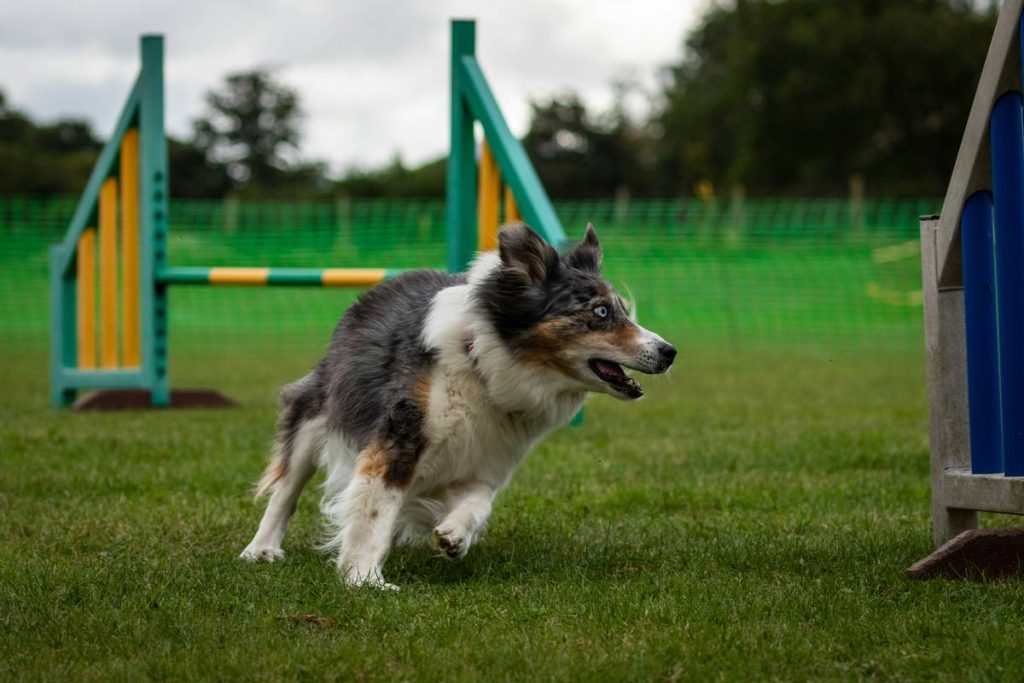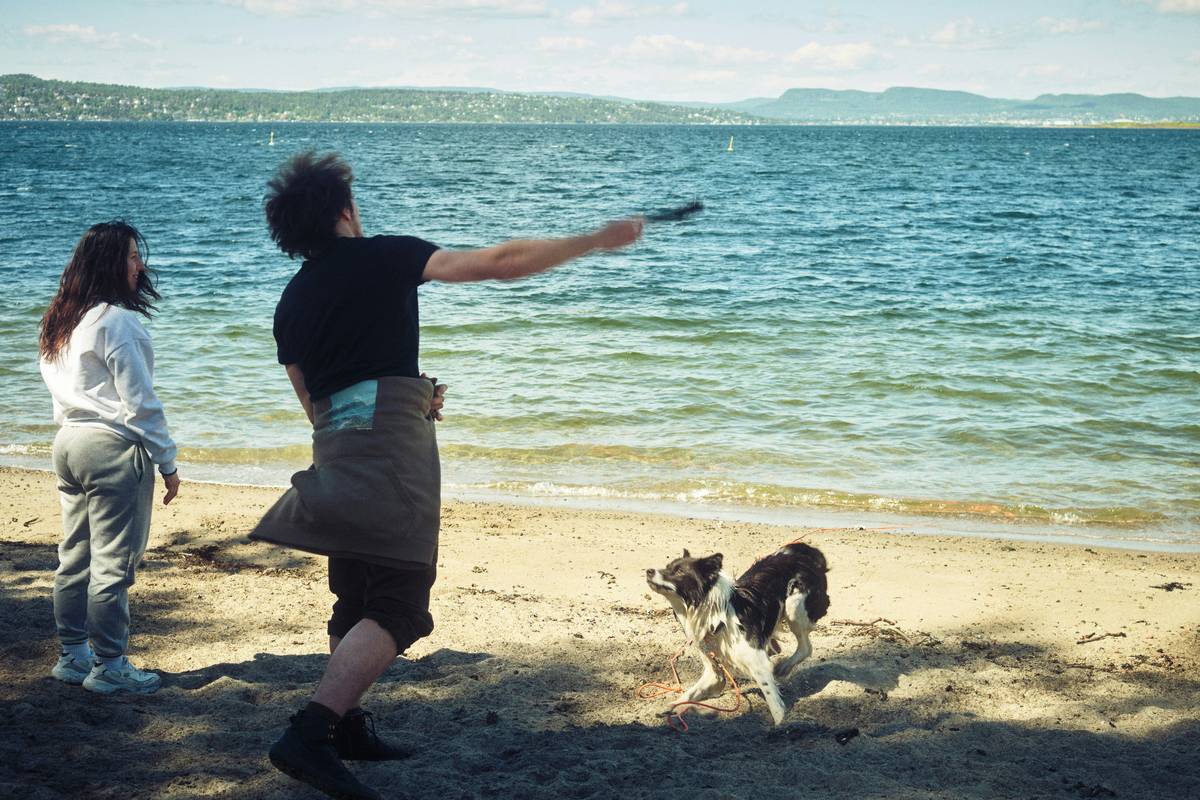
Ever watched in horror as your dog bolts toward a busy street, ignoring your desperate shouts? You’re not alone—and that split second could cost everything. Dog emergency recall isn’t just another trick; it’s a non-negotiable safety skill that can literally save your pet’s life. In this guide, we’ll walk you through why standard “come” commands fail in crises, how to build an unbreakable emergency cue, and the exact steps trainers use to make it stick—even amid distractions like squirrels, fireworks, or traffic.
Table of Contents
- Why Emergency Recall Is Different (And Why It Matters)
- Step-by-Step Guide to Building Your Emergency Cue
- Best Practices for Reliable Results
- Real-World Success Stories
- Frequently Asked Questions
Key Takeaways
- Dog emergency recall uses a unique, high-value cue distinct from everyday “come” commands.
- Consistency, distraction-proofing, and positive reinforcement are non-negotiable.
- Most failures stem from inconsistent rewards or using the cue in non-emergencies.
- With proper training, even reactive or prey-driven dogs can master this life-saving skill.
Why Emergency Recall Is Different (And Why It Matters)
Regular recall works fine in your backyard—but toss in a deer sprinting across a hiking trail or a car screeching nearby, and that same command often fails. Why? Because in those moments, your dog’s survival instincts override obedience. According to the American Veterinary Medical Association, over 60% of lost dogs escape due to failed recall during high-arousal situations.

I learned this the hard way. Years ago, my terrier mix Gus spotted a rabbit near a cliff edge during a hike. My usual “Gus, come!” got zero response. Heart pounding, I dropped to my knees and whispered his emergency cue—“Rocket!”—the one we’d drilled with chicken and cheese for months. He spun around and barreled back. That day cemented my belief: a true dog emergency recall must be bulletproof.
Step-by-Step Guide to Building Your Emergency Cue
Choose a Unique Word
Pick a word you’ll never say casually—like “Zoom,” “Flash,” or “Siren.” Never use “come” or your dog’s name. This cue is sacred: reserved only for genuine emergencies.
Start Indoors, Zero Distractions
Begin in a quiet room. Say your cue once, then immediately reward with a high-value treat (think boiled chicken, cheese, or hot dog bits). Repeat 5–10 times per session, twice daily. Keep sessions under 3 minutes.
Add Mild Distractions Gradually
Move to your backyard. Toss a toy nearby while practicing. If your dog responds, jackpot them with 5–10 treats in rapid succession. If they ignore you, reduce the distraction level—don’t punish.
Proof in Real Environments
Practice weekly at parks, trails, and parking lots (on-leash at first). Always reward—every single time—to maintain reliability. Consistency builds trust.
Best Practices for Reliable Results
- Never test without rewarding: Using the cue “just to see if it works” teaches your dog it’s optional.
- Use ultra-high-value rewards: Reserve these treats exclusively for emergency recall practice.
- Avoid common pitfalls: One terrible tip I’ve heard? “Yell louder if they don’t come.” That creates fear, not compliance. Stay calm, consistent, and positive.
- Refresh monthly: Even mastered cues fade without maintenance. A 2-minute refresher weekly keeps it sharp.
And please—stop blaming your dog for “being stubborn.” Most recall failures trace back to human inconsistency, not canine defiance. Training is a partnership, not a power struggle.
Real-World Success Stories
Sarah K., a client from Colorado, trained her reactive German Shepherd using the above method. Six weeks in, her dog bolted toward an unleashed pit bull at a trailhead. She used her emergency cue (“Thunder!”)—and her Shepherd snapped back instantly, avoiding a potential fight. “It felt like magic,” she told us. Studies confirm that reliable recall significantly reduces dog-dog conflict incidents.
Another example: A 2022 survey by the ASPCA found that dogs trained with context-specific emergency cues were 3x less likely to suffer traffic-related injuries. At Pack N’ Run, we’ve seen similar results firsthand—proof that this method works beyond theory.
Frequently Asked Questions
What’s the difference between regular recall and dog emergency recall?
Regular recall is for daily use (“come here”). Dog emergency recall is a distinct, high-stakes cue reserved only for imminent danger—making it more urgent and reliably rewarded.
Can I use a whistle for emergency recall?
Yes! Many handlers use a specific whistle pattern instead of a word. Just ensure it’s unique and paired consistently with high-value rewards.
How long does it take to train an emergency recall?
Basic reliability typically emerges in 4–8 weeks with daily practice. Full proofing in high-distraction environments may take 3–6 months.
Should I ever punish my dog for not responding?
No. Punishment damages trust and makes your dog less likely to return in the future. Always reinforce success and adjust your training environment if failures occur.
Is this method effective for older or rescue dogs?
Absolutely. Dogs of any age can learn new cues. Rescue dogs especially benefit—consistent, positive training rebuilds confidence. Learn more about our philosophy on data and training ethics.
When should I contact a professional?
If your dog has aggression issues, extreme prey drive, or a history of bolting, consult a certified trainer. Reach out via our Contact Us page—we’ll help you find local support.
Remember: your voice might be the last thing that stands between your dog and disaster. Train it like your life depends on it—because theirs might. And when all else fails? Drop your ego, drop to the ground, and whisper that magic word. They’ll come running.