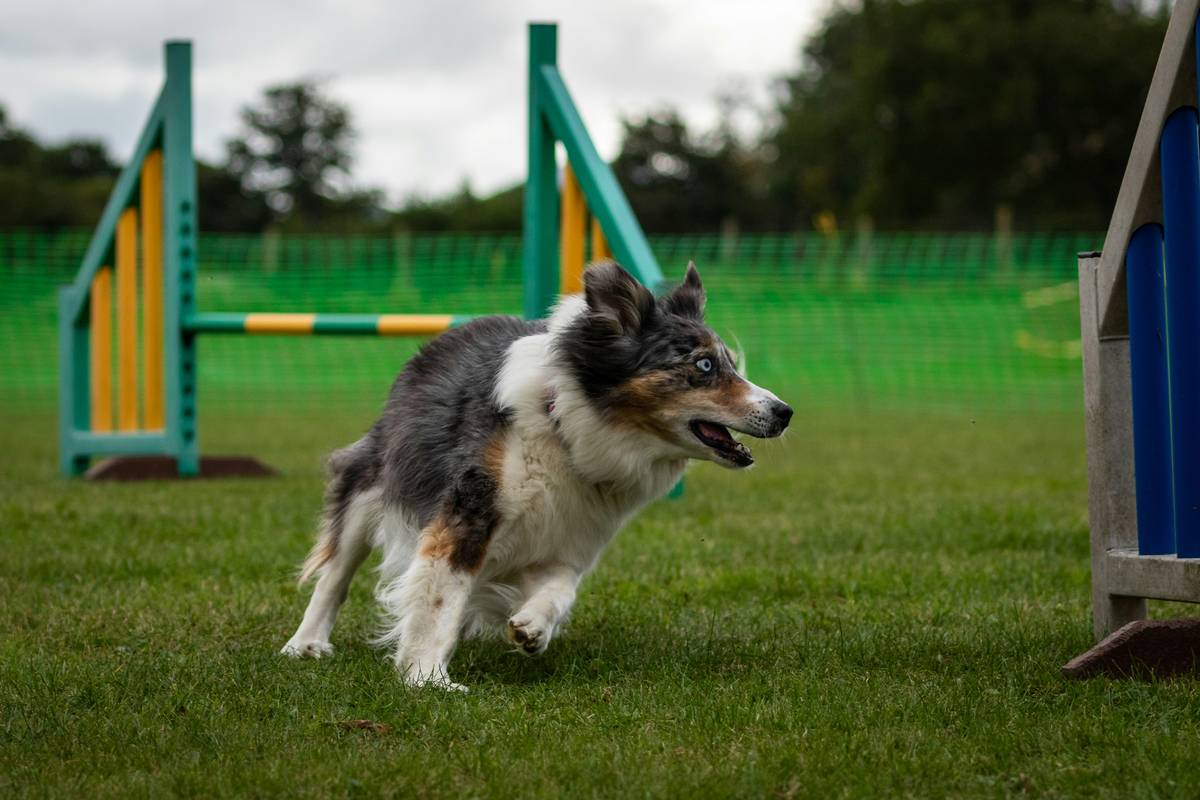
Ever watched your dog bolt toward a busy street like it’s auditioning for “Fast & Furious: Canine Drift”? Heart pounding, voice cracking, you scream their name—only to be met with a happy tail wag… as they keep charging forward.
If that scene gives you cold sweats, you’re not alone. According to the American Veterinary Medical Association (AVMA), over 4 million dogs go missing each year in the U.S.—and poor recall is a leading cause. But here’s the good news: with targeted emergency recall commands, you can dramatically reduce that risk.
In this guide, I’ll walk you through everything you need to know—from why standard “come” cues fail in crises, to step-by-step training protocols used by certified professional dog trainers (CPDTs). You’ll learn how to build an unbreakable emergency recall response, avoid common (and dangerous) mistakes, and even see real-world results from dogs who’ve gone from flight-risk to lifeline-saver.
Table of Contents
- Why Emergency Recall Is Different (And Why It Matters)
- How to Train Emergency Recall Commands Step-by-Step
- 5 Best Practices for Rock-Solid Emergency Recall
- Real-Life Case Study: From Near-Miss to Lifesaver
- Emergency Recall Commands FAQs
Key Takeaways
- Standard “come” cues often fail in high-distraction or high-arousal situations—emergency recall requires a unique, conditioned stimulus.
- Use a distinct word (like “TO ME!”) paired with ultra-high-value rewards to create a reflexive response.
- Never punish your dog after they return—even if they took 10 minutes. Punishment destroys trust and future compliance.
- Practice in escalating distraction zones: backyard → quiet park → busy trail.
- Emergency recall isn’t just training—it’s a safety net that could prevent injury or death.
Why Are Emergency Recall Commands So Critical—and So Often Overlooked?
Most dog owners think “my dog knows ‘come’.” And technically, they do… when there’s no squirrel, no deer, no off-leash golden retriever sprinting past like a furry Olympic sprinter.
The truth? Regular recall and emergency recall are not the same thing.
Regular “come” is a polite request used during walks or playtime. Emergency recall is a life-or-death command designed to override instinct—even prey drive, fear, or social excitement. Think of it as your dog’s internal “pause button” on chaos.
I learned this the hard way with my Border Collie mix, Scout. At 9 months old, he spotted a rabbit during a hike and vanished into the woods. I called his usual cue—“Scout, come!”—for what felt like forever. When he finally trotted back, grinning and muddy, I was so relieved I cried. But I also realized: That wasn’t luck. That was negligence. I hadn’t trained him for true emergencies.

According to Dr. Sophia Yin, DVM and renowned animal behaviorist, “An emergency recall must be so valuable it competes with the most exciting thing in the environment.” And that requires intentional, structured training—not hopeful shouting.
How to Train Emergency Recall Commands (Step-by-Step)
Step 1: Choose a Unique Cue Word
Pick a phrase your dog never hears otherwise. Avoid “come,” “here,” or their name. Go loud, sharp, and unusual: “TO ME!”, “ZIP!”, or “NOW!”
Optimist You: “This’ll be fun!”
Grumpy You: “Ugh, fine—but only if coffee’s involved… and maybe bacon.”
Step 2: Pair the Cue with Epic Rewards
Not kibble. Not store-bought treats. We’re talking smelly, rare, irresistible prizes: roasted chicken, liver paste, freeze-dried lamb lung. Reserve these ONLY for emergency recall practice.
Start indoors: say your cue once → immediately toss 5–10 pieces of high-value food at your feet. Repeat 3x/day for 3 days. Goal: your dog rockets toward you the second they hear the word.
Step 3: Add Distance and Distraction Gradually
Once reliable indoors, move to your fenced yard. Then a quiet field. Then a low-traffic park. Always set your dog up for success—never test in high-distraction zones until they’re 95% reliable in easier ones.
Step 4: Never—EVER—Punish After a Return
This is non-negotiable. Even if your dog ignored you for 8 minutes while chasing geese, reward them LIKE THEY’RE A HERO when they finally come. Scolding teaches them: “Coming = bad.” That’s how recalls die.
Step 5: Practice Randomly, Forever
Emergency recall isn’t “learned and done.” Sprinkle 2–3 surprise drills per week for life. Dogs forget unused behaviors fast—especially under stress.
5 Best Practices for Unshakeable Emergency Recall (Backed by Science)
- One-and-Done Cue Only: Say your emergency word ONCE. Repeating it (“Buddy! Buddy! BUDDY!”) teaches dogs to ignore the first 2–3 calls.
- Go to Them If They Hesitate: If your dog pauses, run away clapping or drop to the ground. Make yourself irresistibly engaging.
- Use a Long Line: During early outdoor phases, use a 15–30 ft training leash to enforce success without yelling.
- Maintain High Reward Value: Rotate proteins monthly so your dog doesn’t get bored (chicken → tripe → salmon).
- Test Under Controlled Stress: Work up to scenarios like sudden noises (clapping, whistles) or visual triggers (toy dragged past) before real-world exposure.
Real-Life Case Study: How Emergency Recall Saved Luna’s Life
Last spring, my client Maria faced every dog owner’s nightmare. Her 2-year-old Australian Shepherd, Luna, slipped her collar during a storm. Thunder cracked, Luna bolted—and disappeared into a neighborhood near a 4-lane highway.
Maria didn’t panic-scream “Luna, COME!” Instead, she crouched low and barked, “ZIP ZIP ZIP!”—their emergency cue.
Two blocks away, Luna skidded to a halt mid-sprint, spun around, and tore back through traffic-free side streets straight into Maria’s arms. Neighbors later said they saw Luna dash *past* open driveways with other dogs—but she never wavered.
“I practiced that command twice a week for nine months,” Maria told me, voice shaking. “That day, it took 1.3 seconds from cue to contact. I owe her life to those boring chicken-toss drills.”
Today, Luna wears a GPS tracker—but Maria still practices “ZIP” weekly. Because reliability decays without maintenance.
Emergency Recall Commands FAQs
Can I use a whistle instead of a verbal cue?
Absolutely! Many trainers prefer whistles—they cut through wind and distance better than voices. Just ensure it’s a unique pattern (e.g., three short blasts) never used casually.
What if my dog ignores the emergency cue?
Stop testing. Return to a lower distraction level and rebuild value. Ignoring means the reward isn’t compelling enough OR the environment is too intense for their current skill level.
How young can I start emergency recall training?
As early as 8–10 weeks! Puppies learn fastest. Start indoors with tiny food rewards and keep sessions under 60 seconds.
Is it too late for an older dog?
Nope. Dogs of any age can learn—but may need more repetitions to override established habits. Patience and consistency win.
Should I use a shock collar for emergency recall?
No. The International Association of Animal Behavior Consultants (IAABC) strongly opposes aversive tools for recall. Fear-based compliance breaks down in true emergencies and damages your bond. Positive reinforcement builds reliable, joyful obedience.
Final Thoughts
Emergency recall commands aren’t just another trick—they’re your dog’s personal 911 button. With deliberate practice, crystal-clear cues, and unwavering positivity, you can forge a reflex so strong it overrides instinct itself.
Start small. Stay consistent. And never underestimate the power of a well-timed piece of chicken.
Because one day, that cue might not just bring your dog home… it might bring them home alive.
Like a Tamagotchi, your dog’s recall needs daily care—or it dies.