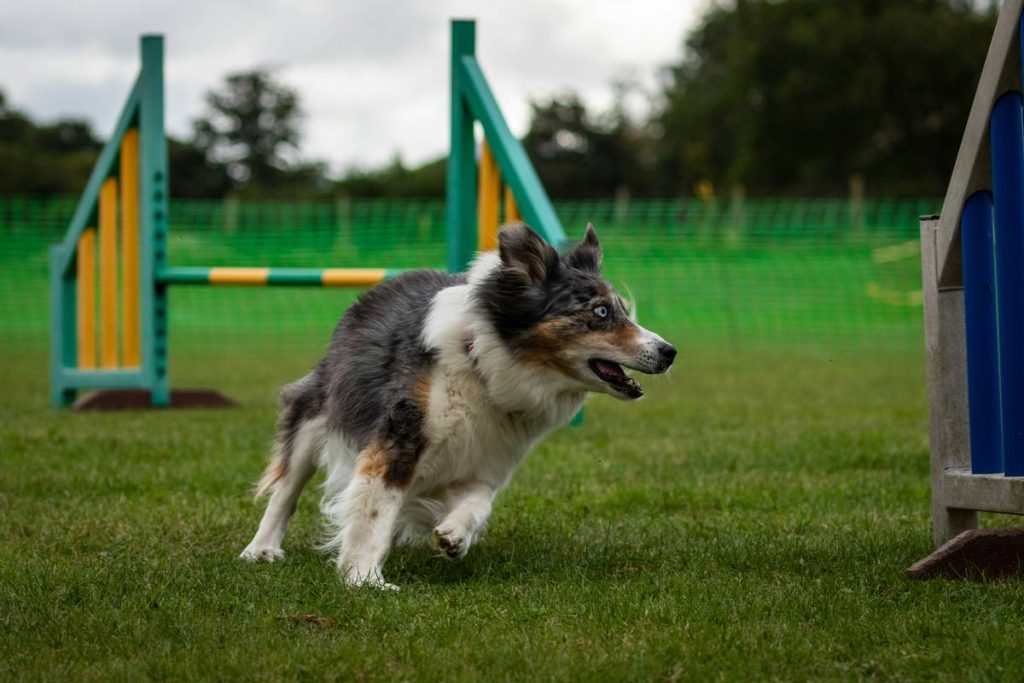
Your dog bolts—toward traffic, a wild animal, or just sheer chaos. Your voice cracks. Treats? Useless. Standard “come” cues vanish in the wind. This isn’t disobedience. It’s panic. And if you haven’t trained for it, you’re gambling with their life. Panic recall training is your emergency brake—installed before the crash.
Why “Come” Fails When It Matters Most
Dogs don’t generalize well. A cue drilled in your quiet backyard means nothing when adrenaline floods their system. Traditional recall relies on consistency, low distraction, and reward predictability—all vaporized in real emergencies. Think about it: at full sprint toward a deer, your pup isn’t weighing treat options. They’re in survival mode.
And that cheerful “Fido, come!” you’ve practiced? It sounds like background noise compared to the thunder of hooves or the shriek of tires. The brain literally shuts down higher cognition during flight response. So expecting obedience is naive—and dangerous.
Panic Recall Training: Your Step-by-Step Emergency Protocol
This isn’t about repetition. It’s about neurochemical hijacking. You’re wiring a reflex so powerful it overrides instinct.
Step 1: Forge a Unique Emergency Cue
Ditch “come.” Invent a sharp, unusual sound-word—like “TOAST!” or “KAZOO!”—never used otherwise. Novelty cuts through sensory overload. Say it once. Loud. Urgent.
Step 2: Pair With Over-the-Top Reward
When they respond—even slowly—explode with joy and deliver a prize they’ve never seen: roasted chicken, steak, a squeaky toy tossed mid-air. It must feel like winning the lottery. Every single time.
Step 3: Simulate Controlled Chaos
Practice in escalating distractions: first your yard, then a park with distant dogs, finally near mild triggers (bikes, joggers). But never fake danger—your dog must associate the cue with safety, not fear.

| Training Method | Time to Reliability | Success in True Emergencies | Owner Skill Required |
|---|---|---|---|
| Standard Recall (“Come”) | 4–8 weeks | Low (fails under stress) | Beginner |
| Panic Recall Training | 2–6 weeks | High (if conditioned properly) | Intermediate |
| Remote E-Collar Recall | 1–3 weeks | Moderate (risks fear association) | Advanced + Professional Guidance |
Step 4: Never Test Without Reinforcing
If you call the panic cue and they ignore it, you’ve weakened it. Only use it when you can guarantee success—or reset with lower distraction. This cue is sacred. One failure can unravel months of work.

The Industry Secret No One Talks About: The “Recall Debt” Trap
Here’s the reality: most owners unknowingly create “recall debt.” They overuse the emergency cue during non-emergencies—calling “TOAST!” just to end playtime or get their dog off the couch. That drains its power. Fast.
True panic recall only works if it’s rare and always followed by euphoria. I’ve seen elite trainers refuse to say their cue more than twice a month outside drills. The math is simple: scarcity breeds urgency. Treat it like a fire extinguisher—only pull the pin when the house is actually burning.
Frequently Asked Questions
Can any dog learn panic recall training?
Yes—even reactive or fearful dogs. Start at threshold distance from triggers and build slowly. Never force compliance; rebuild trust first.
How often should I practice panic recall?
2–3 short sessions weekly in safe environments. Quality over quantity. One perfect rep beats ten sloppy ones.
Is panic recall training different from regular recall?
Absolutely. Regular recall is routine obedience. Panic recall is a hardwired emergency reflex—conditioned through surprise, novelty, and massive reinforcement.