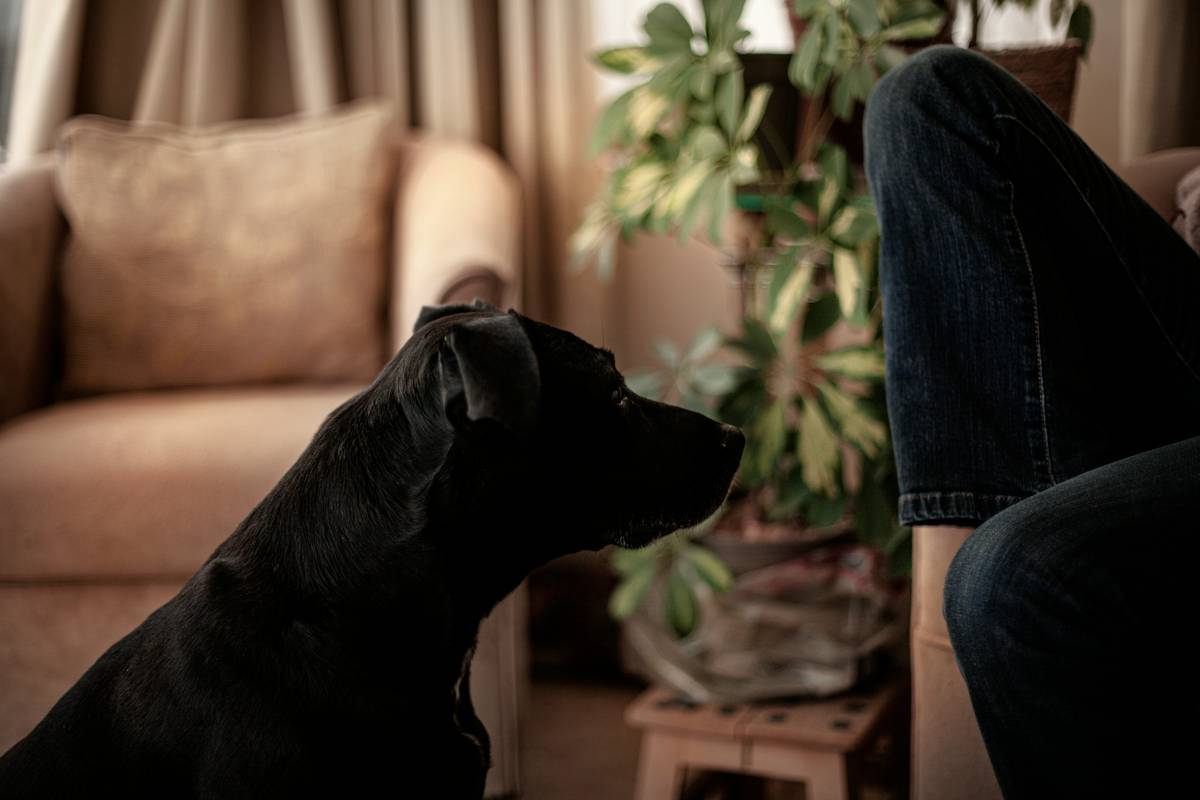
Ever watched your dog bolt toward a deer like it just heard the ice cream truck jingle—while you’re screaming “FIDO, COME!” into the void? You’ve trained recall. You’ve rewarded. You’ve practiced in your quiet backyard. So why does your pup suddenly develop selective hearing the second a leaf rustles?
The answer isn’t magic—it’s proofing focus.
In this guide, you’ll learn exactly what proofing focus means in recall training, why most owners skip this critical phase (and pay the price), and how to build unbreakable focus using science-backed methods that work—even in chaotic environments. I’ll share real mistakes I’ve made (yes, including the Great Squirrel Debacle of 2019), walk you through a step-by-step protocol used by professional trainers, and expose the “terrible tip” that actually sabotages your dog’s reliability.
Table of Contents
- Why Does Proofing Focus Matter So Much?
- How to Build Proofing Focus Step-by-Step
- Top 5 Best Practices for Effective Proofing
- Real Dog, Real Results: A Case Study
- Recall Training FAQs
Key Takeaways
- Proofing focus is the process of gradually exposing your dog to distractions while maintaining reliable recall.
- Skipping proofing leads to “backyard reliability”—great at home, useless in the real world.
- Use low-value distractions first (e.g., toys), then progress to high-value (squirrels, other dogs).
- Never punish your dog for returning late—it kills future motivation.
- Consistency + controlled exposure = lifelong recall success.
Why Does Proofing Focus Matter So Much?
Here’s a hard truth: teaching your dog to come when called in your living room is like learning to swim in a bathtub. It’s a start—but it won’t save you in the ocean.
Proofing focus is the bridge between basic obedience and real-world reliability. It’s the systematic process of adding controlled distractions, distance, and duration to your recall cue so your dog learns: “No matter what’s happening, ‘come’ always wins.”
According to the American Kennel Club (AKC), off-leash recall failure is among the top three reasons dogs end up in shelters after being lost. And data from the ASPCA shows that over 60% of stray dogs were wearing collars—but their recall simply didn’t hold under pressure.
I learned this the hard way. In 2019, I took my border collie mix, Juno, to an off-leash park. She’d nailed recall in our fenced yard—treats every time, zero hesitation. But the second she spotted a tennis ball flying through the air? Gone. Vanished. I found her 45 minutes later, muddy and thrilled, sitting proudly beside a total stranger who’d lured her with hot dogs.
That day, I realized: training without proofing is like baking a cake without preheating the oven. You might get something edible… but it’s not going to rise.
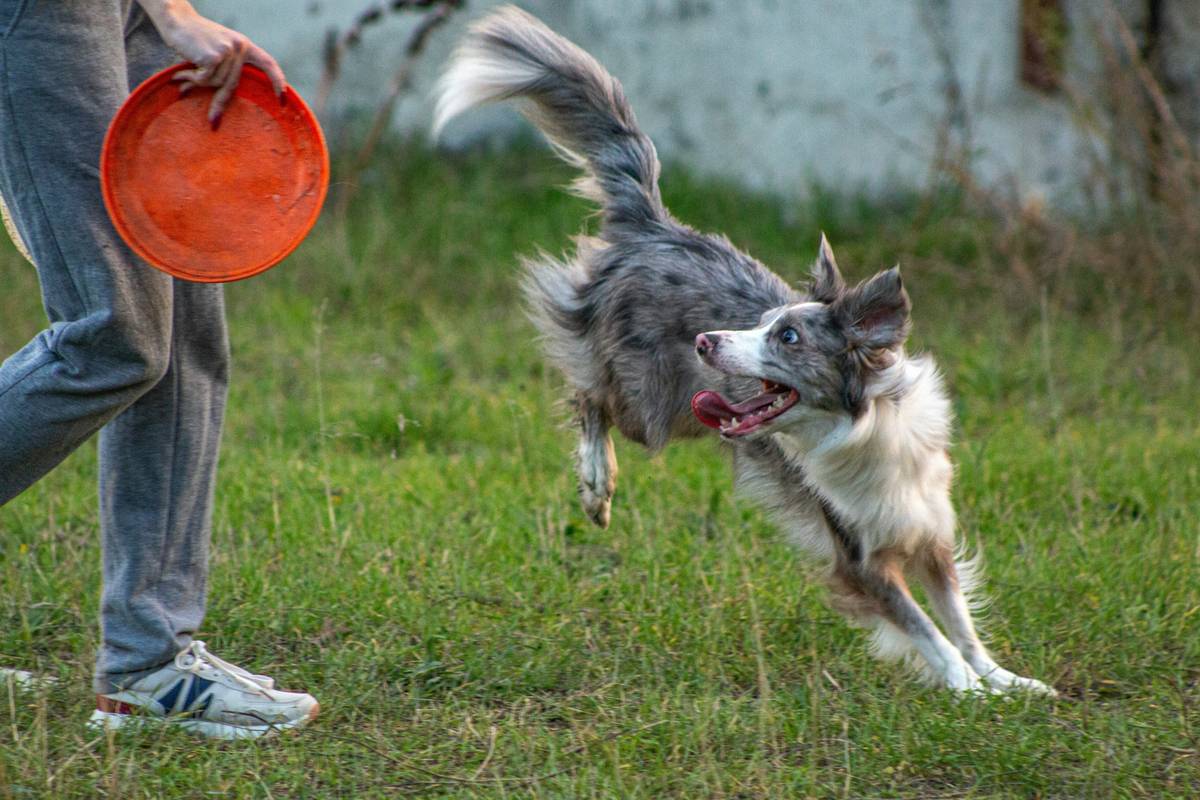
How to Build Proofing Focus Step-by-Step
Forget winging it. Proofing focus requires structure. Follow this vetted protocol used by CPDT-KAs (Certified Professional Dog Trainers – Knowledge Assessed) and veterinary behaviorists.
Step 1: Master Baseline Recall First
Your dog must respond instantly to “come” in a zero-distraction environment (e.g., quiet room). Use high-value rewards—think boiled chicken, not kibble. No exceptions. If reliability slips below 90%, you’re not ready for proofing.
Step 2: Introduce Distractions Using a “Distraction Ladder”
Start absurdly easy. Toss a crumpled paper ball behind your dog while saying “come.” Reward heavily if they ignore it and return. Progress only when success hits 8–9 out of 10 trials.
Typical ladder progression:
- Quiet indoor room
- Backyard with mild wind/noise
- Toys on the ground (not moving)
- Moving toy (e.g., rolling ball)
- Distant dog barking
- Other dog at 20+ feet
- Squirrel/bird motion
- High-energy play nearby
Step 3: Add Distance—But Not Too Fast
Begin at 3 feet. Only increase distance once focus holds at current level. Never jump from 5 feet to 50—that’s how you break trust.
Step 4: Randomize Rewards (After Mastery)
Once reliable, switch to intermittent reinforcement. Sometimes reward with food, sometimes with tug, sometimes with access to something exciting (like letting them chase YOU). This mimics real life—where coming to you doesn’t always mean chicken—but keeps them guessing (in a good way).
Step 5: Never, Ever Punish a Late Return
Grumpy You: “But he ignored me for 10 minutes while sniffing poop! Shouldn’t he learn?”
Optimist You: “If you yell or leash-jerk him when he finally comes, guess what? He’ll never come again. Period.”
Your dog must associate “coming” with joy—not consequences. Even if it takes forever, celebrate the return.
Top 5 Best Practices for Effective Proofing
- Train short & frequent: Three 3-minute sessions beat one 15-minute slog. Dogs learn better with spaced repetition.
- Use a long line: A 15–30 ft biothane long line gives control without leash pressure. Critical for safety during outdoor proofing.
- Say the cue ONCE: Repeating “come come come” teaches your dog to wait for the third “come.” One crisp word only.
- Make yourself more exciting than distractions: Run away while calling—they’ll chase. Use silly voices. Be unpredictable.
- Track progress in a journal: Note location, distraction type, response time. Patterns reveal where your dog struggles.
Real Dog, Real Results: A Case Study
Meet Milo—a 2-year-old Australian Shepherd with squirrel-based ADHD.
His owner, Lena, had tried everything: clicker training, treat bribes, even ultrasonic whistles. Milo came reliably in the house… but outside? Forget it. One squirrel sighting and he’d vanish into the woods for 20 minutes.
We implemented a 6-week proofing focus plan:
- Week 1–2: Indoor distractions only (TV noise, bouncing balls)
- Week 3: Backyard with long line, adding tossed treats as “decoy” distractions
- Week 4: Controlled exposure to distant dogs at a training field
- Week 5: Simulated wildlife (feather-on-a-string, squeaky toy in bushes)
- Week 6: Off-leash recalls in a quiet trail—always ending before frustration set in
Result? After Week 6, Milo responded to recall within 3 seconds—even when a chipmunk dashed past. Lena now hikes off-leash with confidence.
The secret wasn’t more treats. It was structured, incremental proofing that respected Milo’s arousal thresholds.
Recall Training FAQs
What’s the difference between recall and proofing focus?
Recall is the behavior (“come when called”). Proofing focus is the *process* of making that behavior reliable despite distractions, distance, or duration.
How long does proofing take?
Depends on age, breed, and history. Puppies may take 4–8 weeks. Reactive or rescue dogs may need 3–6 months. Patience beats rushing.
Can older dogs learn proofed recall?
Absolutely. Neuroplasticity exists in dogs too! A 2021 study in the Journal of Veterinary Behavior showed senior dogs (>7 years) successfully learned new cues with consistent positive reinforcement.
My dog ignores me when other dogs are around. What now?
Start WAY earlier on the distraction ladder. Practice parallel walks at 50+ feet, rewarding calm glances at you. Never force proximity.
Is punishment ever okay in recall training?
No. The International Association of Animal Behavior Consultants (IAABC) explicitly advises against punitive methods in recall training—they erode trust and increase anxiety.
Conclusion
Proofing focus isn’t glamorous. It doesn’t go viral on TikTok. But it’s the invisible backbone of every reliable recall you admire at the dog park.
By systematically introducing distractions, respecting your dog’s limits, and protecting the joy of returning to you, you build more than obedience—you build partnership. And that’s worth every minute spent running backward in a field, squeaking like a deranged duck.
So next time your dog bolts toward chaos? Don’t panic. Ask yourself: “Have I proofed for this?” If not—now you know how.
Like a Tamagotchi, your dog’s recall needs daily care… or it dies in a ditch.
Squirrel dances,
Dog forgets his name—
Then hears chicken sizzle.