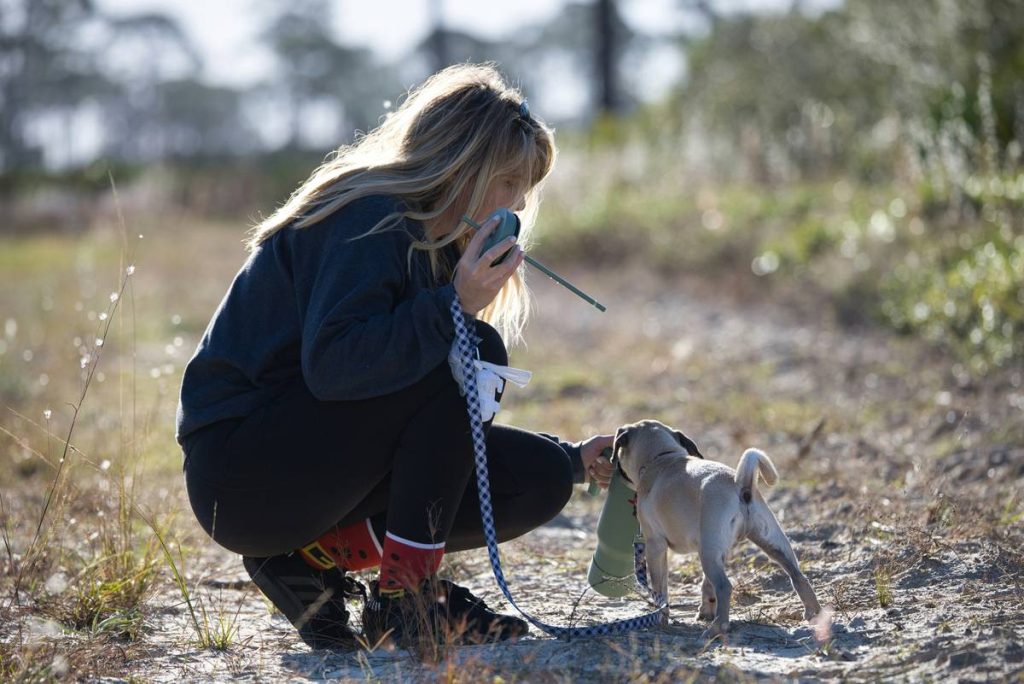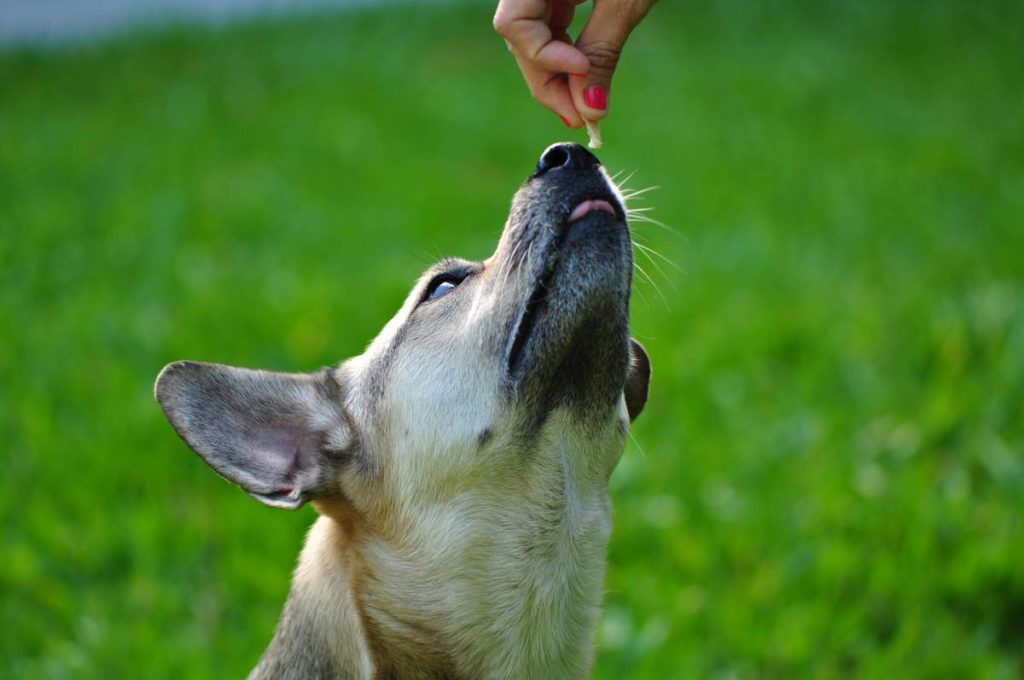
Your dog bolts. Heart stops. You yell “Come!”—nothing. Sound familiar? Most recall training fails because it’s built on hope, not strategy. But what if you could turn your distracted pup into a laser-focused return machine—even across a field? It’s possible. And it starts with ditching everything you’ve been taught.
Why Standard Recall Training Crumbles Under Pressure
Most owners practice recalls in the backyard. Quiet. Controlled. Zero distractions. Then they unleash their dog at the park—and wonder why Fido ignores them for squirrels or other dogs. The gap between practice and reality is massive. And dangerous.
Here’s the reality: reliability isn’t about repetition alone. It’s about context proofing. If your dog only comes when it’s convenient, you don’t have recall—you have a suggestion.
recall training tips: A Field-Tested System for Real-World Scenarios
Forget treats-for-compliance. Real recall thrives on engagement, clarity, and consequences that matter to the dog—not you.
Phase 1: Build Value Before You Demand Return
Before asking for “come,” make yourself the most exciting thing in your dog’s universe. Use movement, voice modulation, and play—not just food. A tossed ball mid-recall? Game-changer. The moment your dog chooses you over a distraction, that’s the win.
Phase 2: Distance Doesn’t Equal Difficulty—Distraction Does
Start training in low-distraction zones—but immediately layer in controlled chaos. Have a friend walk by. Toss a toy 20 feet away. Train near traffic hum. Your goal: make “come” mean the same thing whether you’re three feet away or thirty.

Phase 3: The Release Is the Reward
Never end a successful recall with confinement (“Good boy—now in the crate”). That teaches your dog: coming = fun ends. Instead, release them back to explore. Or better—launch into a quick tug session. The return becomes a gateway to more freedom, not less.
| Method | Setup Cost | Time to Reliable Recall (Est.) | Dog Temperament Fit |
|---|---|---|---|
| Traditional Treat Lure | $0–$10 | 8–12 weeks (fails under distraction) | Focused, food-motivated pups |
| Engagement-Based Recall | $0 (uses play/movement) | 4–6 weeks (holds up off-leash) | High-drive, easily distracted dogs |
| E-Collar Reinforcement (Pro-only) | $100–$250 | 2–3 weeks (with proper conditioning) | Deaf dogs or extreme non-responders |

The Industry Secret No One Talks About: The “Broken Record” Trap
Trainers love saying “never repeat the cue.” But here’s what they won’t admit: silence after a missed cue teaches learned irrelevance. If your dog ignores “come” and you say nothing, they learn the word has no consequence. The fix? One clear cue. Then move. Don’t shout again—run backward, clap, whistle, or drop to the ground. Create urgency through action, not noise. And if they still don’t come? Walk away. Let them experience the loss of connection. Next time, they’ll sprint.
But—this only works if you’ve already built a history of joyful returns. Otherwise, you’re punishing without foundation. Timing is everything.
Frequently Asked Questions
How do I train recall with a stubborn dog?
Stop asking for full-distance recalls too soon. Start indoors, use high-value rewards like chicken or flirt poles, and never call unless success is near-certain. Build trust first—obedience follows.
Can I use a whistle for long-distance recall?
Yes—but condition it slowly. Pair every whistle blast with something irresistible for 2–3 weeks before testing in real scenarios. Consistency beats volume.
At what age should recall training start?
Day one. Puppies learn “come” fastest between 8–16 weeks. But even senior dogs can master it—with patience and zero punishment for slow returns.