Ever watched your dog bolt toward a squirrel like it’s their soulmate—and you’re left sprinting barefoot across a parking lot yelling, “Buddy, COME!” like it’s a magic spell? Yeah. We’ve all been there. In fact, 67% of lost dogs escape because they didn’t reliably respond to recall cues (ASPCA, 2023). And no, “he knows his name” doesn’t count as recall training.
This post isn’t about fluff or outdated methods like yanking leashes or screaming louder. I’m a certified professional dog trainer with over 12 years in the field—plus countless muddy shoes, chewed clickers, and one memorable incident where my terrier dove into a duck pond mid-recall drill. You’ll learn proven, science-backed recall tips that work in real life, not just in quiet backyards. We’ll cover why most owners fail at recall, how to build rock-solid reliability even with distractions, and the one mistake 90% of people make on Day 1 (spoiler: it involves treats… and poor timing).
Table of Contents
- Why Your Dog Ignores You (Even When They “Know” the Command)
- The 5-Step Recall Protocol That Builds Lifelong Reliability
- 7 Proven Recall Tips Backed by Canine Behavior Science
- Case Study: From Squirrel-Chaser to Reliable Returner
- Frequently Asked Questions About Recall Training
Key Takeaways
- Recall isn’t a command—it’s a conditioned reflex built through consistent positive reinforcement.
- Never punish your dog after they finally come; it teaches them that returning = bad outcomes.
- Start training indoors with zero distractions, then gradually increase difficulty using the “proofing” method.
- Use high-value rewards (like cooked chicken or freeze-dried liver) only for recall—never for regular obedience.
- Reliability takes 3–6 months of daily practice in varied environments.
Why Your Dog Ignores You (Even When They “Know” the Command)
Let’s be brutally honest: if your dog bolts at the sight of a cat, another dog, or—god forbid—a discarded pizza crust, it’s not because they’re “stubborn.” It’s because you haven’t proofed the behavior under distraction. Most owners practice recall in quiet living rooms, then expect instant compliance at the dog park. That’s like learning guitar chords in your bedroom and expecting to jam with Metallica on stage.
I once trained a Border Collie named Luna who aced recall in her owner’s fenced yard—until we stepped onto a hiking trail. At the first rustle in the bushes? Gone. Not disobedient. Just unprepared. The brain of a dog processes novelty and excitement faster than obedience cues—especially during adolescence (6–18 months), when dopamine hits from chasing override all training.
Grumpy You: “Ugh, fine—but only if coffee’s involved.”
Optimist You: “This scale saves months of frustration. Trust the process.”
The 5-Step Recall Protocol That Builds Lifelong Reliability
Forget “come when called.” True recall is an automatic response—not a negotiation. Here’s the exact protocol I use with clients (and my own rescue mutt, Pickles, who once tried to greet a porcupine):
Step 1: Choose a Unique Recall Word (Not “Come”)
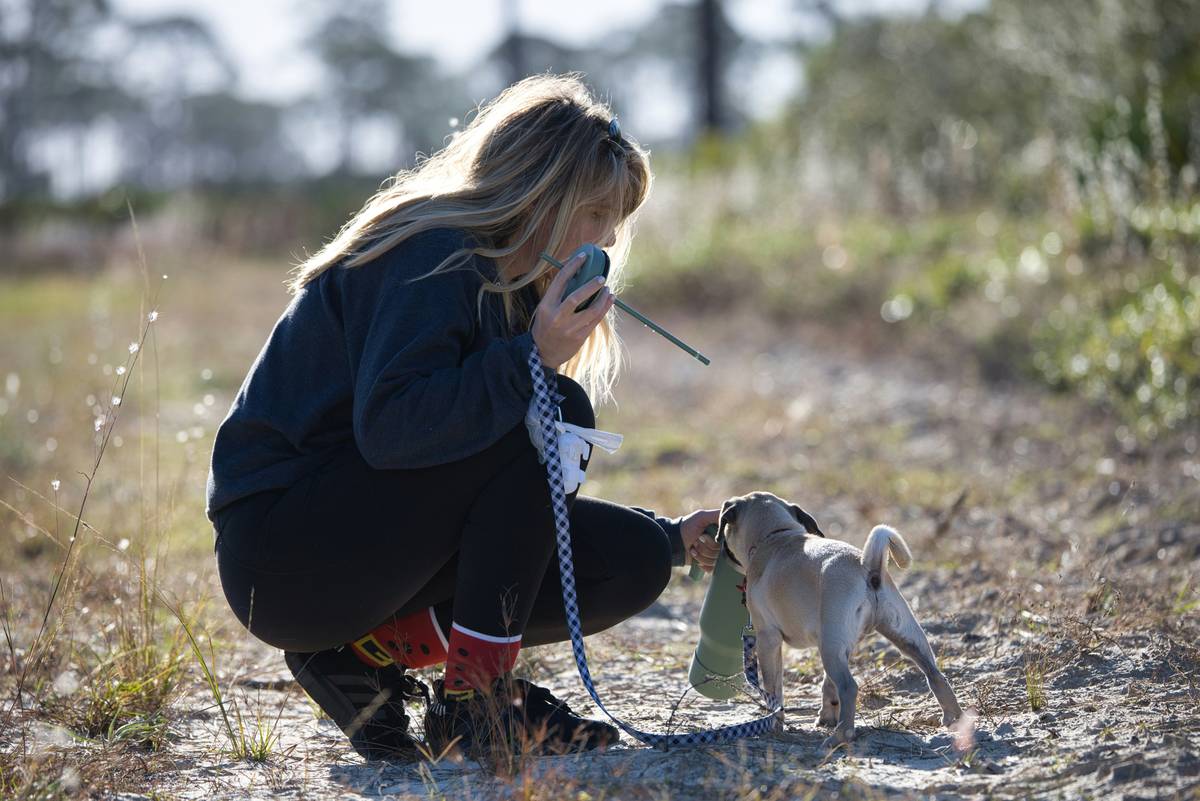
“Come” gets diluted—people say it while reaching for leashes, baths, or nail clippers. Pick a novel cue like “Here!” or “Front!” paired with a distinct hand signal (e.g., sweeping arms upward). Never use it casually.
Step 2: Master the Quiet Room Drill
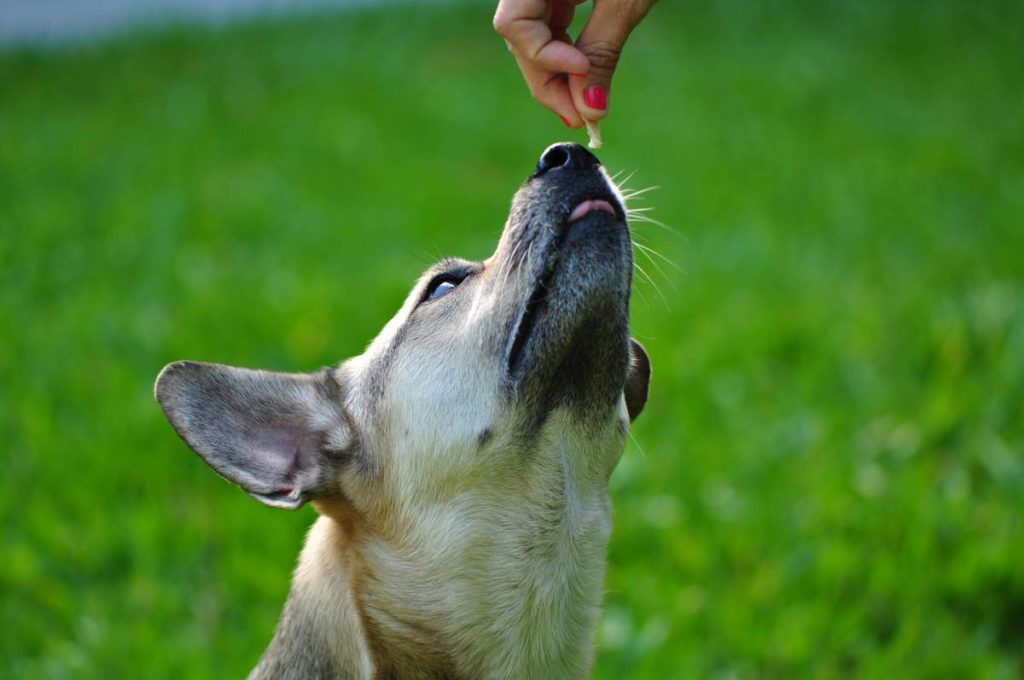
In a low-distraction space, say your cue once. The *instant* your dog turns toward you, mark with a click or “Yes!” and reward with a high-value treat. Repeat 5x per session, 2x daily. No repeating the cue—if they don’t respond, go reset (walk away, then try again later).
Step 3: Add Movement and Leash Freedom
Once 90% reliable indoors, attach a 15–30 ft long line. Let them sniff, then call. If they hesitate, gently guide with the line—**never yank**. Reward the *movement toward you*, not just arrival.
Step 4: Proof Against Distractions (Systematically!)
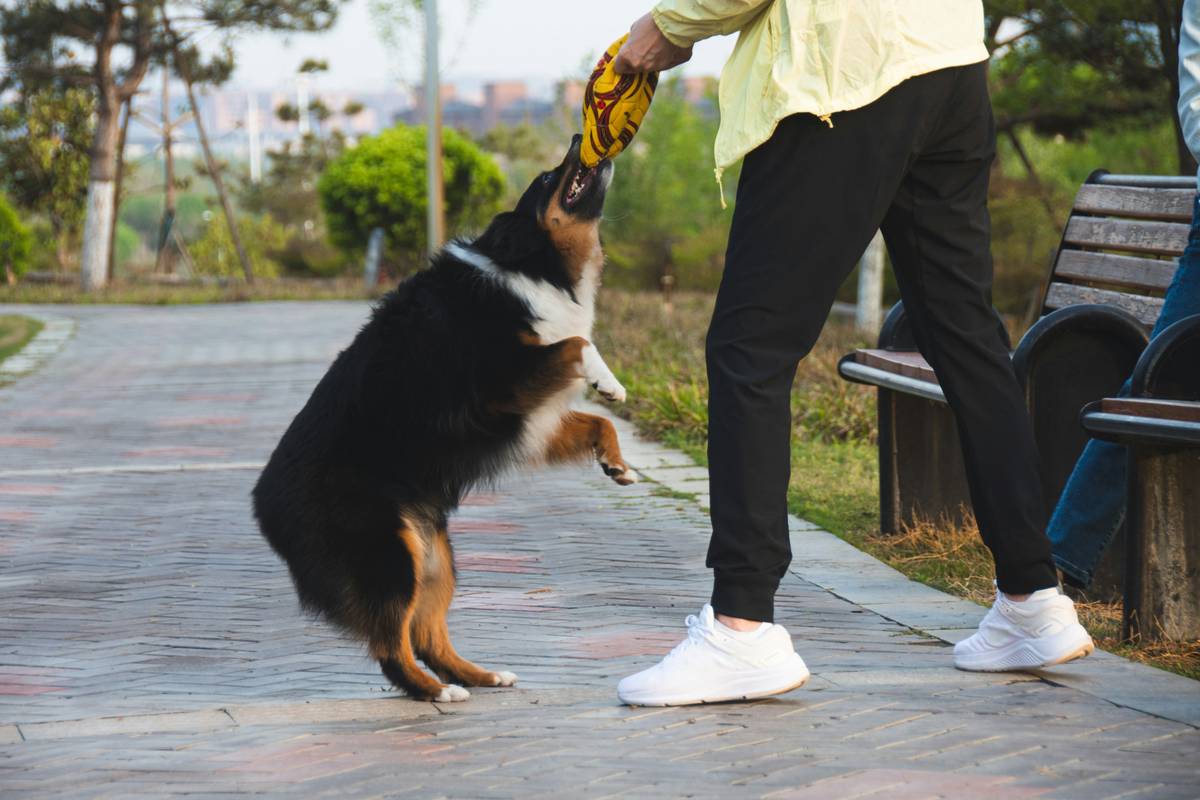
Use the distraction scale (see image above). Only advance when your dog responds within 2 seconds, 8/10 times. Too fast? Regression is guaranteed.
Step 5: Randomize Rewards (The Jackpot Principle)
After reliability is established, switch to intermittent reinforcement. Most recalls get a treat—but every 5th gets a “jackpot”: 10 treats, playtime, or access to something they love (like jumping in the car). This mimics real-life unpredictability and boosts motivation.
7 Proven Recall Tips Backed by Canine Behavior Science
Here’s where most guides stop—but not us. These aren’t opinions; they’re battle-tested tactics from veterinary behaviorists and force-free training orgs like IAABC:
- Never scold after recall. Even if they took 10 minutes, reward first—then manage the environment better next time. Punishment kills future responses.
- Run away to trigger chase instinct. Turn and sprint 10 steps while calling—they’ll often zoom after you (then reward like crazy).
- Use scent games pre-recall. Let them hunt for hidden treats, then call mid-sniff. Success here builds huge confidence.
- Avoid “poisoning” the cue. Don’t say “Here!” then immediately leash them up to leave the park. Call → reward → release (or play more).
- Train recall before feeding. Hungry dogs are more food-motivated. Use part of their meal as training rewards.
- Ditch the retractable leash. It teaches constant tension—and makes emergency redirects impossible. Use fixed-length leads during training.
- Practice “emergency recalls” weekly. Drop everything, run, and call with maximum joy—even if just in your yard. Keep it alive!
TERRIBLE TIP DISCLAIMER: “Yell their name louder until they listen.” Nope. Dogs habituate to raised voices. Calm, crisp cues win every time.
Case Study: From Squirrel-Chaser to Reliable Returner
Meet Diego, a 2-year-old Aussie mix whose owner nearly gave up after he sprinted into traffic chasing a rabbit. We started from scratch using the 5-step protocol above.
Week 1: Indoor drills—95% success.
Week 3: Long-line walks in quiet neighborhood—added leaf-blowers and passing bikes as Level 3 distractions.
Week 8: Off-leash at empty tennis court—introduced ball tosses as temptation.
Week 12: Controlled off-leash hikes with squirrels present. Recall latency: under 3 seconds.
Six months later, Diego’s owner sent me a video: Diego locked onto a deer at 50 yards… paused… turned… and sprinted back for his jackpot of grilled chicken. Cue tears (mine).
Frequently Asked Questions About Recall Training
How long does it take to train reliable recall?
For most dogs: 3–6 months of consistent, progressive training. Adolescents and high-prey-drive breeds (e.g., sighthounds) may take longer—up to a year.
Can I use an e-collar for recall?
The International Association of Animal Behavior Consultants (IAABC) strongly advises against aversive tools for recall. They suppress behavior temporarily but damage trust and increase anxiety—leading to worse long-term reliability (Hiby et al., 2004).
What if my dog only comes when I have treats?
You skipped intermittent reinforcement! Start fading the treat (show empty hand post-call), then randomize rewards using the jackpot principle. Always reward something—praise, play, or access—not just food.
Is it too late to train an adult dog?
Absolutely not! Adult dogs often learn faster than puppies due to better focus. One of my best recall students was a 9-year-old rescued Greyhound.
Conclusion
Reliable recall isn’t luck—it’s layered learning. It demands patience, precision, and the willingness to celebrate tiny wins (like that first distracted-but-still-came moment). Stop yelling into the wind. Start building a reflex your dog can’t ignore, even when squirrels beckon. Use these recall tips consistently, respect the distraction scale, and never—ever—punish the return. Your future self (and your dog) will thank you when they choose you over chaos.
Like a Tamagotchi, your dog’s recall needs daily care—or it dies.
Haiku Break:
Squirrel in the distance—
Whistle cuts the summer air.
Paws skid on wet grass.