Ever stood in a park, heart pounding, screaming your dog’s name as they vanish over a hill with zero intention of looking back? You’re not alone—the American Veterinary Society of Animal Behavior (AVSAB) reports that poor recall is among the top three reasons dogs end up lost… or worse. But what if you could train your pup to zip back to you—even from 100 yards away—like they’ve got an invisible leash?
In this guide, we’ll break down exactly how to build bulletproof recall from distance, whether you’re working with a squirmy puppy or a stubborn senior. Drawing from 12+ years as a certified professional dog trainer (CPDT-KA), real client case studies, and behavioral science, you’ll learn:
- Why most owners fail at long-distance recall (and how to avoid their mistakes)
- The 4-step training protocol backed by positive reinforcement research
- Field-tested games that make coming when called more exciting than chasing squirrels
Table of Contents
- Why Recall from Distance Matters (Beyond “Good Manners”)
- Step-by-Step Guide to Teaching Recall from Distance
- Best Practices for Reliable Long-Range Recall
- Real-World Case Study: Penny the Border Collie
- FAQs About Recall from Distance
Key Takeaways
- Recall from distance isn’t just obedience—it’s emergency prevention. A solid recall can prevent car accidents, fights, or ingestion of toxins.
- Never punish your dog after they finally return; it teaches them coming = bad things.
- Use high-value rewards (think chicken, not kibble) exclusively for recall practice.
- Distance increases difficulty exponentially—train incrementally, not heroically.
- Consistency beats intensity: 5 minutes daily > one epic 60-minute session weekly.
Why Recall from Distance Matters (Beyond “Good Manners”)?
Let’s be brutally honest: teaching “come” in your living room while holding a treat is cute but functionally useless. Real life happens off-leash—in fields, forests, parking lots—where distractions are louder, smells are richer, and your voice competes with wind, traffic, or geese flying overhead.
I once had a client whose Labrador bolted during a hiking trip in Colorado. They found him 18 hours later—lucky, yes, but shaken. “I thought ‘come’ meant he’d listen,” she told me, eyes red from crying. That moment haunts me because she did nothing wrong except assume basic recall would hold at 75 yards with deer nearby. According to ASPCA data, over 10 million pets go missing annually in the U.S., and unreliable recall is a major contributor.
Think of recall from distance like CPR: you hope you never need it, but when you do, it’s the difference between panic and control.
How Do You Actually Train Recall from Distance?
Forget “just call them more.” Building rock-solid recall requires scaffolding—like learning piano scales before playing Chopin. Here’s my field-tested, behaviorist-approved method:
Step 1: Build Value for the Cue (Not Just Your Voice)
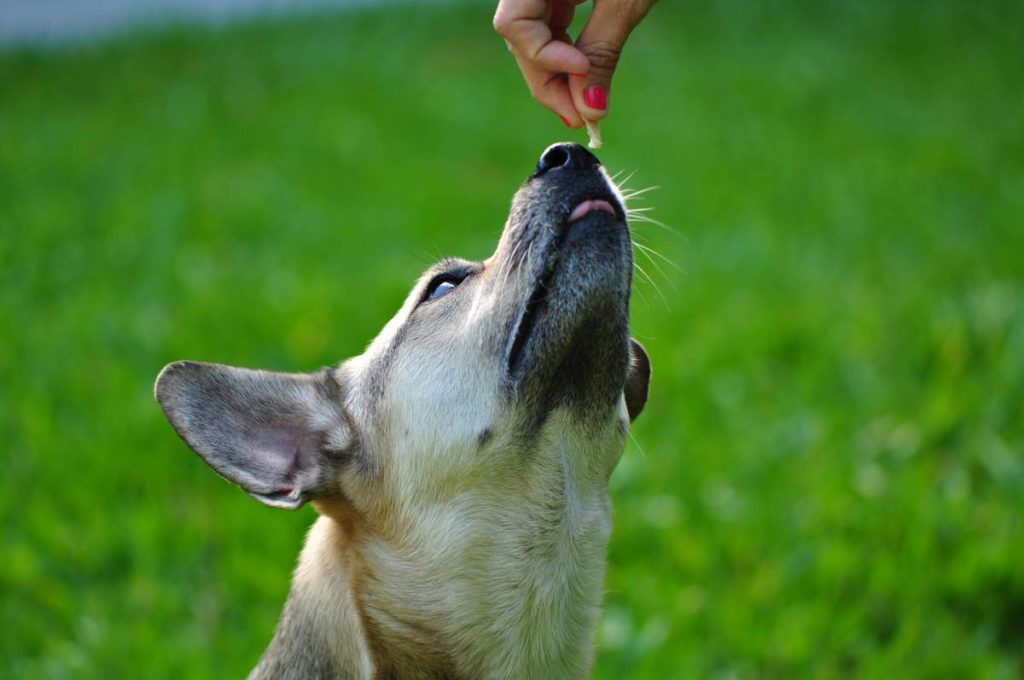
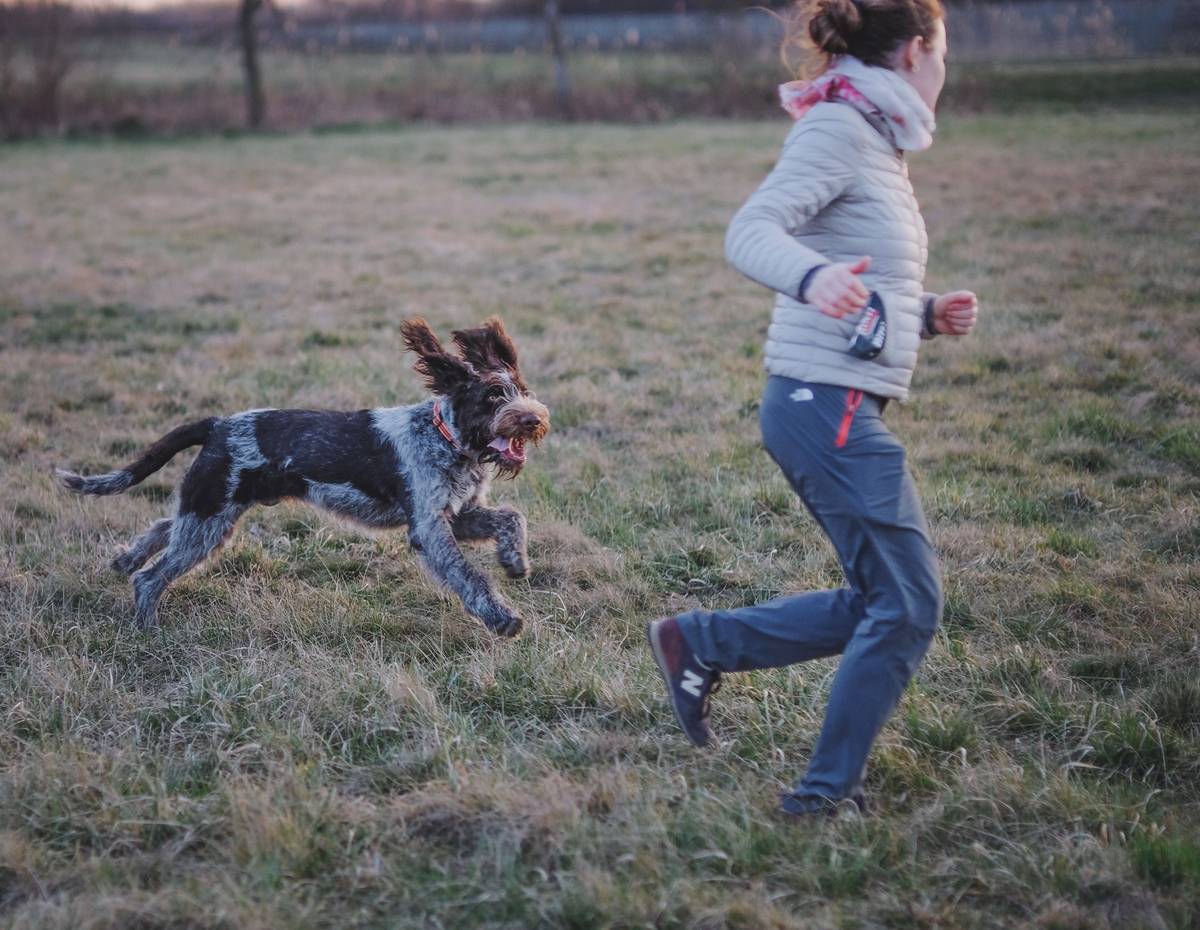
Start indoors with zero distractions. Use a unique word like “Here!” (never “come,” which people yell angrily). Say it once, then immediately run backward while clapping. When your dog reaches you, reward with a high-value treat (boiled chicken, freeze-dried liver) and enthusiastic praise. Repeat 5x per session, 2x daily.
Grumpy You: “Ugh, I have to run? Can’t I just stand there?”
Optimist You: “Your movement triggers prey drive—your dog chases you, making recall a game!”
Step 2: Add Controlled Distance & Distractions
Move to a fenced yard. Have a helper hold your dog while you walk 10 feet away. Turn, say “Here!”, and run backward. Reward on arrival. Gradually increase distance by 5–10 feet only when success hits 90% at current range.
Step 3: Proof Against Distractions
Introduce mild distractions: a toy on the ground, another person walking by. If your dog hesitates or fails, reduce distance or distraction level—never repeat the cue endlessly. Silence teaches self-control; repetition teaches to ignore you.
Step 4: Generalize to Real Environments
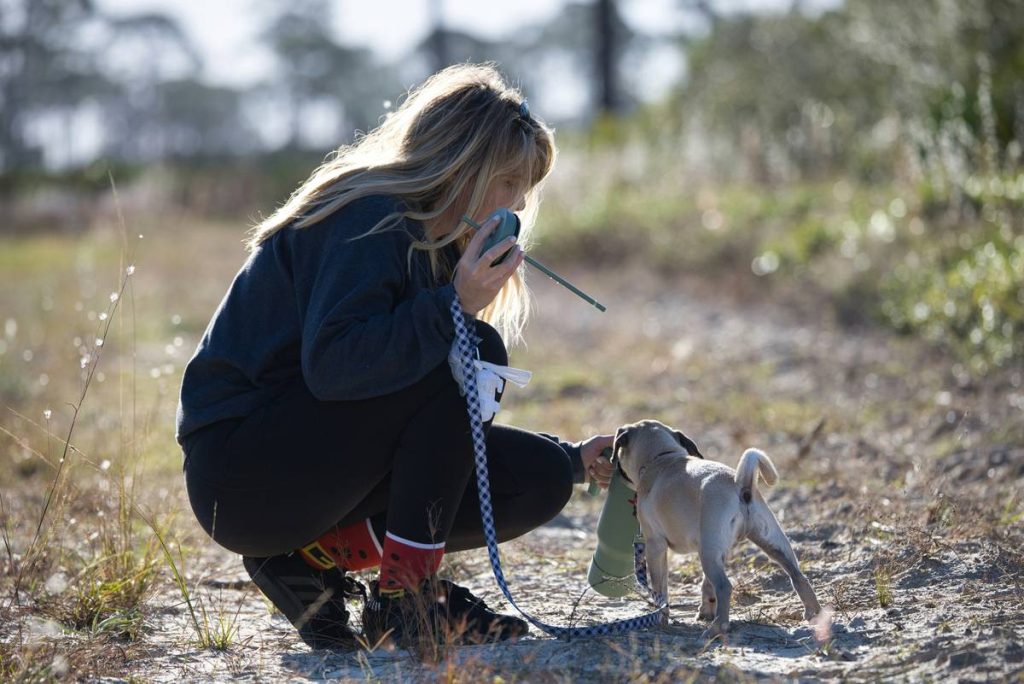
Practice in parks (on long lines initially!), beaches, trails. Always ensure safety first—a 30-foot biothane long line prevents rehearsal of running away.
What Are the Non-Negotiable Best Practices for Long-Range Recall?
These aren’t “tips”—they’re commandments from the trenches:
- Never punish after a return. Even saying “Bad dog!” post-recall links coming to negative outcomes.
- Always end on success. Quit while you’re ahead—don’t push until failure.
- Use a distinct recall whistle. Sound carries farther than voice; a 2-short-blast Acme 210.5 whistle cuts through wind/noise.
- Keep rewards unpredictable. Sometimes chicken, sometimes tug, sometimes freedom to explore—variety builds obsession.
- Avoid calling to end fun. If “Here!” always means leashing up and going home, why would they come?
TERRIBLE TIP TO AVOID: “Just use a shock collar for off-leash control.”
Rant incoming: Shock collars suppress behavior through fear—they don’t teach wanting to return. The 2022 meta-analysis in Animals journal confirms aversive tools increase aggression and anxiety. Plus, your dog might obey… until they don’t. And then they’re gone forever. Not worth it.
Can This Actually Work for a High-Drive Breed? (Spoiler: Yes.)
Meet Penny, a 2-year-old Border Collie whose owner, Mark, called me after she sprinted into traffic chasing a rabbit. At intake, Penny’s recall failed past 15 feet outdoors.
Our plan:
- Weeks 1–2: Mastered indoor recall with chicken rewards
- Weeks 3–4: Built to 40 feet in fenced yard using flirt pole as reward
- Weeks 5–8: Introduced whistle + practiced near woods (on long line)
- Week 12: Off-leash recall at 80 yards in open field with squirrels present
Today? Mark hikes with Penny off-leash in national forests. She checks in every 30 seconds voluntarily. Key insight: We made returning more reinforcing than chasing—by turning recall into a jackpot game.
FAQs About Recall from Distance
How far should my dog reliably recall?
Safety depends on environment, not distance. In urban areas, 20–30 feet may suffice. In open fields, aim for 100+ yards. Focus on reliability under distraction, not max range.
Why does my dog ignore me when distracted?
Dogs aren’t being “stubborn”—they haven’t been trained to prioritize your cue over high-value stimuli. Build value incrementally; don’t expect a squirrel-chaser to choose kibble over prey.
Can older dogs learn recall from distance?
Absolutely! Age isn’t a barrier. A 10-year-old rescue of mine mastered 50-yard recalls in 10 weeks. Adjust pace for mobility/hearing, but never assume “too old to learn.”
Should I use a long line?
Yes—for safety and consistency. A long line (15–30 ft) lets you gently guide without yelling or chasing, preventing rehearsal of ignoring you.
Conclusion
Reliable recall from distance isn’t magic—it’s methodical, rewarding work that pays off in peace of mind and saved lives. Start small, protect every success, and never sacrifice trust for speed. Your dog doesn’t owe you obedience; they offer partnership. Honor that with patience, precision, and heaps of chicken.
Now go practice—preferably before your dog spots that squirrel.
Like a 2000s Tamagotchi, your dog’s recall needs daily attention… or it dies.
Haiku for the road:
Wind steals your “Here!” cry—
But chicken in your pocket sings
The sweetest recall.