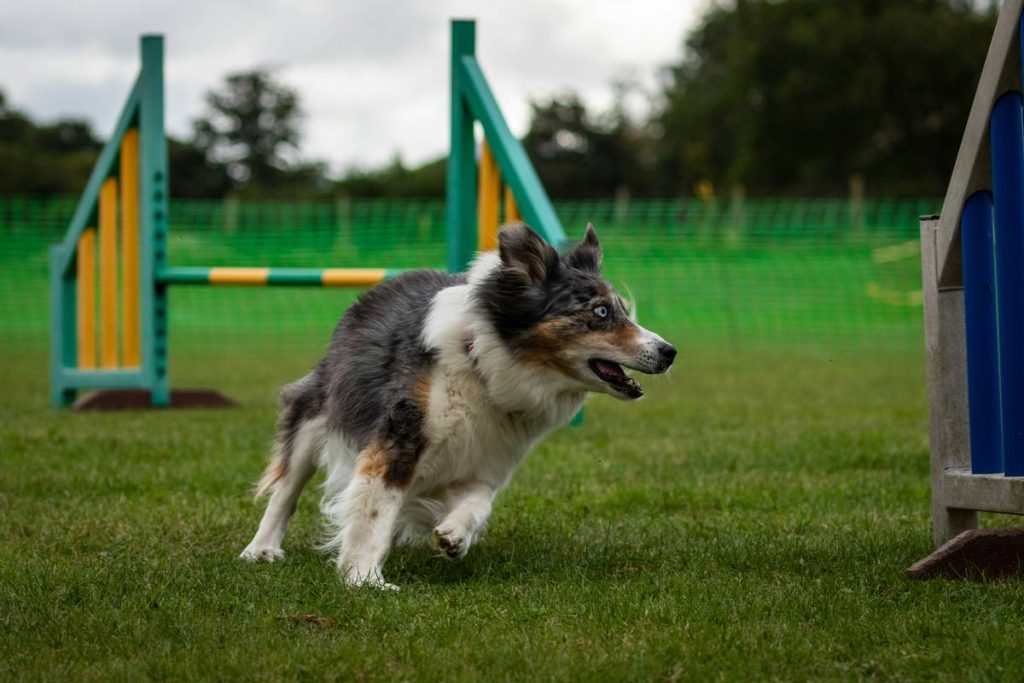
Ever watched your dog sprint toward a busy street like it’s the finish line of the Bark Olympics—and you’re suddenly 0.2 seconds from a heart attack? You shout their name. You wave treats. You whisper desperate prayers to the Dog Gods. Nothing. Sound familiar?
If your “come” command only works when it’s convenient for your pup, you’re not alone—but you are at risk. According to the ASPCA, over 6 million dogs go missing annually in the U.S. alone, and lack of reliable recall is a top contributing factor. That’s why mastering emergency recall tips isn’t just training—it’s potentially life-saving.
In this guide, you’ll learn:
- Why standard recall fails in high-distraction scenarios
- How to build a bulletproof emergency cue (with zero confusion)
- Real-world drills that simulate true emergencies
- One common “tip” that actually sabotages your efforts (yes, really)
Table of Contents
- Why Your Dog Ignores “Come” When It Matters Most
- Step-by-Step: Building an Emergency Recall That Works
- 7 Proven Emergency Recall Tips (Backed by Trainers & Science)
- Case Study: From Park Panic to Perfect Recall in 8 Weeks
- FAQs About Emergency Recall Training
Key Takeaways
- Never use your regular “come” cue for emergency recall—create a unique, high-value signal.
- Train in escalating distraction levels, starting in low-stimulus environments.
- Reward with ultra-premium treats (think boiled chicken or hot dogs)—not kibble.
- Avoid punishment after a delayed return; it teaches dogs to avoid coming back.
- Consistency + emotional neutrality during practice = long-term reliability.
Why Your Dog Ignores “Come” When It Matters Most
Let’s be brutally honest: most pet owners train “come” like it’s a polite dinner invitation—not a fire alarm. We call Fido during calm backyard fetch sessions, reward with a pat, maybe a treat if we’re feeling generous… then expect that same response when there’s a squirrel, a jogger, or a dump truck full of bacon fumes nearby.
Spoiler: It won’t work.
Dogs live in the moment. Their brains aren’t wired to override primal instincts (chase! explore! sniff!) based on a word they associate with mild inconvenience (“Ugh, fine—but only if coffee’s involved,” says Grumpy You). Worse, many owners accidentally poison the cue by calling their dog only to end fun—like clipping on a leash to leave the park or giving a bath.
Result? “Come” becomes code for “fun’s over.” No wonder they ghost you.

Step-by-Step: Building an Emergency Recall That Works
Forget everything you think you know about recall. Emergency recall requires a separate system—one that bypasses hesitation and triggers an automatic return. Here’s how to build it right:
Step 1: Choose a Unique Cue Word (Not “Come”)
Pick a word you’ll never use casually: “Zoom!” “Rocket!” “Presto!” The weirder, the better. This ensures no accidental associations dilute its power.
Step 2: Start Indoors—Zero Distractions
Stand 3 feet from your dog. Say the cue once, cheerfully. The instant they move toward you, mark with a click or “Yes!” and reward with something irresistible (e.g., bits of cooked chicken). Repeat 5x per session, 2x daily.
Step 3: Add Leash Drills Outdoors
Use a 15–30 ft long line in a fenced yard. Let your dog sniff or explore, then say the cue. If they hesitate, give a gentle tug toward you (not a yank!), then reward lavishly upon arrival. Never scold.
Step 4: Simulate Real Distractions
Have a friend toss a ball nearby while you call. Or drop treats mid-yard and cue your dog away from them. Gradually increase challenge—but only when success rate is >90%.
Step 5: Test Without the Leash (Safely!)
Only in fully enclosed areas. If your dog fails, don’t punish—just reset. Go back a step. Emergency recall is built on trust, not force.
7 Proven Emergency Recall Tips (Backed by Trainers & Science)
As a certified professional dog trainer with 12 years in behavior modification (and one very adventurous Border Collie who once chased a deer into a cornfield), I’ve tested dozens of methods. These are the gold standards:
- Use high-value rewards exclusively. Save chicken, liver, or cheese ONLY for emergency recall. Kibble won’t cut it in crisis mode.
- Never call to do something unpleasant. If you need your dog for a nail trim, go get them—don’t use the emergency cue.
- Practice randomly throughout the day. Surprise recalls during play build strong neural pathways (thanks, dopamine!)
- Keep your body language open. Crouch down, arms wide—never looming or tense.
- Run away first. Dogs love chase games. Backpedal while calling—they’ll zoom to catch you.
- Avoid repeating the cue. Say it once. If no response, retreat and reset. Repetition teaches dogs to ignore the first call.
- Stay emotionally neutral post-return. No scolding—even if they took 2 minutes. Joyful rewards only.
⚠️ Terrible “Tip” Alert: The “Recall = Punishment” Myth
I once saw a well-meaning owner yell, “Bad! Why didn’t you come?!” after their pup finally returned from chasing geese. Guess what happened next time? The dog hid under a bush for 20 minutes. Punishing delayed returns guarantees future avoidance. Full stop.
Rant Time: Why “Just Use a Shock Collar” Is Lazy (and Dangerous)
Look, I get it—desperation breeds bad decisions. But using e-collars for recall without professional guidance often creates fear-aggression or shut-down behavior. A 2020 study in Animals journal found electronic collars increased stress indicators in 68% of dogs. Build trust, not trauma.
Case Study: From Park Panic to Perfect Recall in 8 Weeks
Last spring, client Maya brought in Luna, a 2-year-old Aussie mix who’d bolt toward skateboarders like her paws were magnetized. One close call with a delivery van had Maya in tears.
We implemented the 5-step emergency recall protocol above, using “Bingo!” as the cue and freeze-dried beef liver as the reward. Key adjustments:
- Added “run-away” game twice daily
- Practiced near skate parks (on-leash) with decoy distractions
- Mom never used “Bingo!” outside training contexts
By Week 4, Luna responded reliably at 20 ft with mild distractions. By Week 8? She recalled instantly—even when a kid dropped an ice cream cone 10 ft away. Maya cried happy tears. (So did I. Shut up.)
FAQs About Emergency Recall Training
How long does emergency recall training take?
Most dogs show solid responses in 4–8 weeks with consistent daily practice (5–10 mins/session). Puppies may learn faster; rescue dogs with trauma histories may need more time and professional support.
Can older dogs learn emergency recall?
Absolutely. Age isn’t a barrier—motivation is. Use higher-value rewards and shorter sessions for seniors.
What if my dog still doesn’t come in an emergency?
Prevention is key: always use a leash in unsecured areas. Carry a whistle (dogs hear frequencies humans can’t) or keep a drag leash handy for quick grab-and-go situations.
Should I use a whistle instead of a word?
Whistles carry farther and cut through noise—great for hiking or large yards. Just train it exactly like a verbal cue: unique, consistent, paired with epic rewards.
Conclusion
Emergency recall isn’t fancy. It’s not about dominance or gadgets. It’s about creating a conditioned reflex so powerful that when danger looms, your dog chooses you over chaos—every single time.
Start today. Pick your word. Boil some chicken. Practice in your hallway. Because the next “almost” could be your last chance to get it right.
And remember: Like a Tamagotchi, your dog’s safety skills need daily care. Neglect them, and… well, let’s not find out.
Leash snaps tight—
Eyes meet across the asphalt.
“Bingo!” He turns. Home.