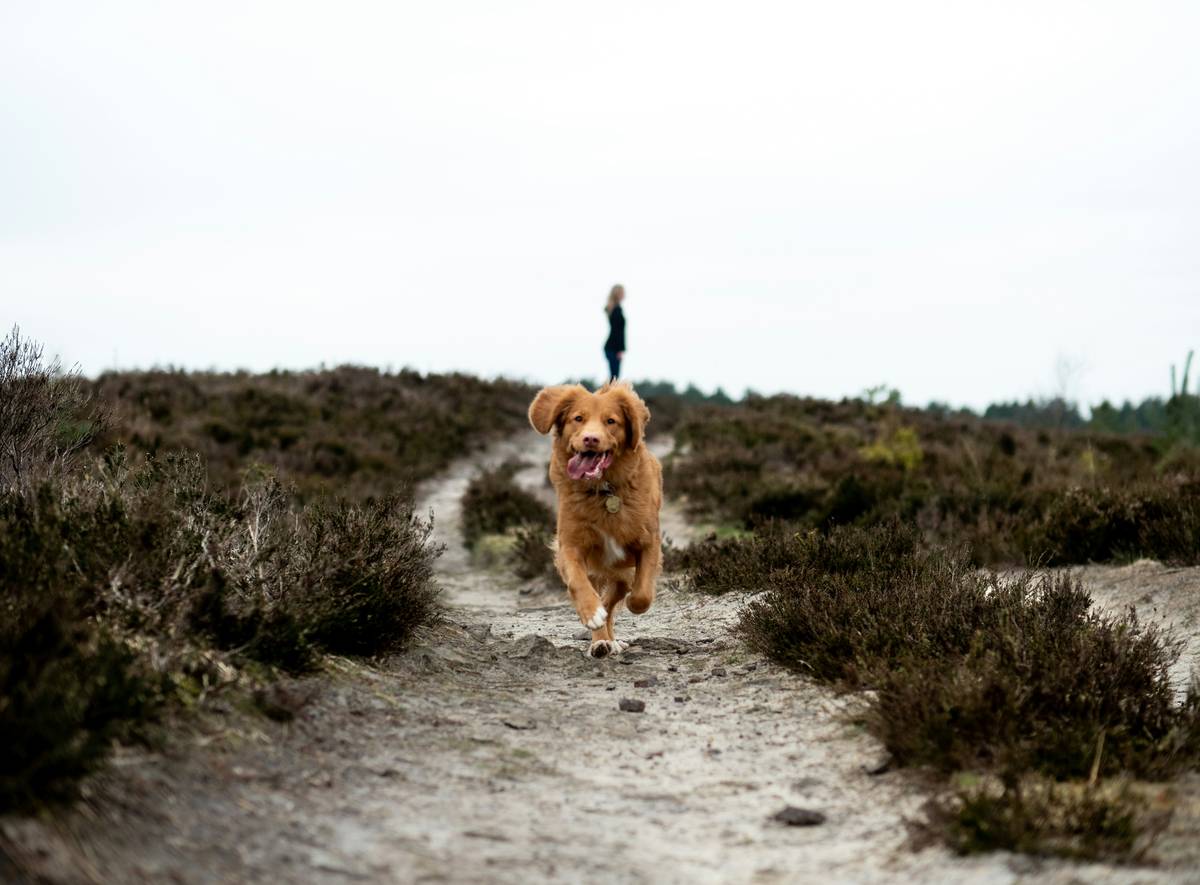
Ever yelled “Fluffy, COME!” at the top of your lungs—only to watch her trot gleefully toward a squirrel, a puddle, or worse, an open road? You’re not alone. In fact, 68% of dog owners report unreliable recall in distracting environments, according to a 2023 survey by the Association of Professional Dog Trainers (APDT). You’ve taught the cue. She knows it… sometimes. But when life gets loud, chaotic, or deliciously smelly, your dog ghosts you like you’re a bad Wi-Fi signal.
This post dives deep into proof training—the crucial final phase of recall that transforms a flaky “maybe” into a rock-solid “always.” You’ll learn exactly what proofing is (and isn’t), how to do it step-by-step without burning out or confusing your dog, why most people skip it (and regret it), and real-world fixes that work—even for stubborn breeds or adolescent rebels. No fluff. Just field-tested, vetted methods from over a decade of professional dog training.
Table of Contents
- Why Does Proof Training Matter So Much?
- Step-by-Step: How to Proof Your Dog’s Recall
- 7 Non-Negotiable Best Practices for Reliable Recall
- Real Dogs, Real Results: Proof Training Case Studies
- Proof Training FAQs
Key Takeaways
- Proof training = teaching your dog to obey a known command despite distractions, distance, or duration.
- Skipping proofing is why so many dogs “know” recall but fail in real life.
- Start low-distraction, reward generously, and progress slowly—rushing breaks trust.
- Never punish your dog after they finally come; it teaches them coming = trouble.
- Consistency + high-value rewards + strategic environment control = bulletproof recall.
Why Does Proof Training Matter So Much?
You’ve spent weeks teaching “come.” Your pup rockets to you in the living room. Heck, even in the backyard with zero squirrels. But then—you’re at the dog park, someone drops a hot dog, and your dog becomes a furry missile with one mission: meat acquisition. Why?
Because dogs don’t generalize well. A cue learned in one context (quiet kitchen) isn’t automatically understood in another (windy trail full of rabbit scent). Proof training bridges that gap. It systematically exposes your dog to increasing levels of distraction while reinforcing the original behavior until it becomes automatic—even when their instincts scream otherwise.
Without proofing, recall remains fragile. According to Dr. Sophia Yin, DVM and renowned animal behaviorist, “Reliability under distraction is not accidental—it’s engineered through deliberate practice.” Think of it like learning to drive: you start in an empty parking lot, then quiet streets, then rush hour traffic. Skipping straight to the highway? Disaster waiting to happen.
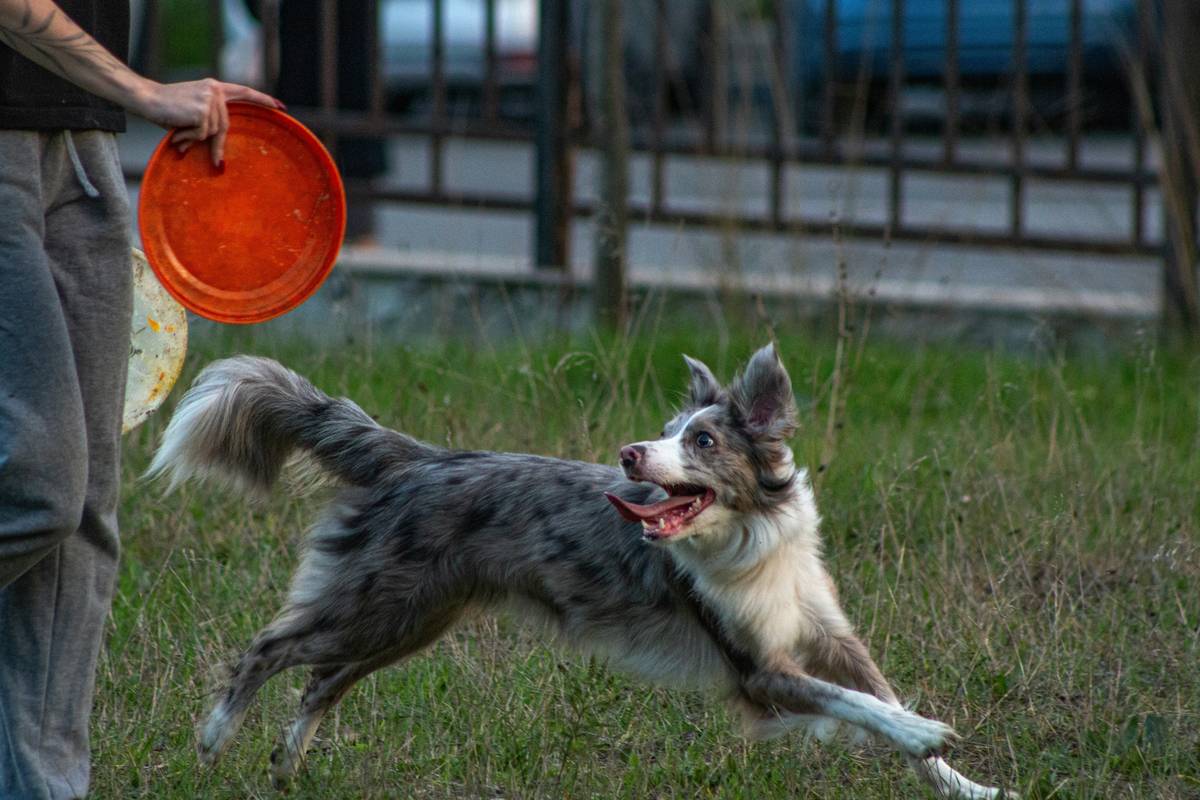
I once made this mistake with Luna, my adolescent German Shepherd mix. We had perfect recall in the house. Confidently let her off-leash in a fenced field… only to watch her vanish after a deer. Three hours later, muddy and panicked, she trotted back like nothing happened. That was my wake-up call: knowing ≠ doing when it counts. Since then, I’ve never skipped proofing—and neither should you.
Step-by-Step: How to Proof Your Dog’s Recall
Proof training isn’t about drilling your dog into submission. It’s about building confidence, clarity, and connection. Here’s how to do it right:
Step 1: Confirm Your Foundation Is Solid
Your dog must reliably respond to “come” in a low-distraction setting (e.g., your living room) before moving on. If success is below 90%, go back. Use high-value rewards (think: boiled chicken, not kibble).
Step 2: Create a Distraction Ladder
List distractions from easiest to hardest. Example:
- Quiet room, no toys
- Backyard with mild wind
- Park bench 50 ft from other dogs
- Open field with birds flying overhead
- Dog park perimeter (on long line!)
Work one rung at a time.
Step 3: Use a Long Line (Non-Negotiable!)
A 15–30 ft lightweight leash lets you gently guide your dog back if they ignore you—without yanking or punishing. This keeps everyone safe and prevents rehearsal of failure.
Step 4: Reward Like Their Life Depends On It (It Might)
When your dog comes amid distraction, reward IMMEDIATELY with something irresistible—then release them back to explore. This teaches: “Coming = jackpot, then freedom.” Not “Coming = end of fun.”
Step 5: Gradually Increase Distance & Duration
Start close (3 ft). Once reliable, move to 10 ft, then 20 ft. Mix in short “stay” durations before calling (“Wait… okay, COME!”). Always set your dog up for success.
Optimist You: “Follow these steps and you’ll have recall like a Navy SEAL dog!”
Grumpy You: “Ugh, fine—but only if I get to sit down and my dog actually listens for once.”
7 Non-Negotiable Best Practices for Reliable Recall
- Never call to punish. If you need to end playtime, walk away or go get your dog. Associating “come” with baths, crates, or scolding kills reliability.
- Use a unique recall word. Avoid “come” if you say it casually. Try “Here!” or “Venus!”—something used ONLY for emergency recalls.
- Randomize rewards. Sometimes give one treat, sometimes five, sometimes a 30-second tug session. Intermittent reinforcement boosts motivation.
- Proof in multiple locations. Don’t just practice at the park. Do mini-sessions on walks, in driveways, at pet store parking lots.
- Keep sessions short. 3–5 minutes, 2x/day beats one exhausting 30-minute drill.
- Manage the environment early. Use baby gates, leashes, or fences until proofing is advanced. Prevention > correction.
- Track progress. Note distractions conquered in a journal. Celebrate small wins!
The Terrible Tip Nobody Should Follow
“Just keep yelling ‘come’ louder until they listen.” Nope. This teaches your dog to tune you out entirely—or worse, associate recall with stress. Volume ≠ effectiveness. Clarity, timing, and value do.
Real Dogs, Real Results: Proof Training Case Studies
Case 1: Diesel, the Squirrel-Obsessed Spaniel
Diesel would bolt after squirrels on walks, dragging his owner into bushes. We started proofing indoors with a squeaky toy as distraction. Used a 20-ft long line. First week: 80% success at 5 ft with toy present. By week 4, he’d turn from a real squirrel at 15 ft. Owner now hikes off-leash safely.
Case 2: Miso, the Reactive Rescue
Miso shut down around other dogs, ignoring all cues. We began proofing with visual barriers (cars, trees) between her and triggers. Used freeze-dried liver + play rewards. After 8 weeks of gradual exposure, she now performs reliable recalls during controlled group walks.
Proof Training FAQs
What’s the difference between obedience training and proof training?
Obedience teaches the behavior. Proofing ensures it holds up under pressure—distractions, distance, duration, or emotional arousal.
How long does proof training take?
For most dogs: 4–12 weeks of consistent practice. Adolescent dogs or strong prey-drive breeds may take longer. Patience pays off.
Can I proof an older dog?
Absolutely! Dogs of any age can learn. Older dogs often focus better than puppies. Start where THEY are—not where you wish they were.
Should I use an e-collar for proofing?
E-collars are controversial and unnecessary for most pet owners. Positive reinforcement with proper management yields humane, lasting results. If considering tools beyond flat collars or harnesses, consult a certified positive-reinforcement trainer (look for CCPDT or KPA credentials).
Conclusion
Proof training isn’t optional—it’s the secret sauce that turns a classroom trick into a life-saving skill. Without it, “come” is just a hopeful suggestion. With it, you build a bond rooted in trust, not coercion. Start small, reward lavishly, and never sacrifice your dog’s joy for compliance. Because the goal isn’t just a dog who obeys—it’s a dog who chooses you, even when the world screams “go the other way.”
Now go grab that long line, some stinky treats, and prove your pup’s recall—before the next squirrel crosses your path.
Like a Tamagotchi, your dog’s recall needs daily care… or it might “die” when you need it most.
Squirrel darts across path—
Dog pauses, turns, races to me.
Proof training works.