Ever stood in a field screaming your dog’s name while they vanish over the horizon like a furry fugitive? You’re not alone. A 2023 AKC survey found that 68% of dog owners report recall failure beyond 50 feet—and it only gets worse with distractions like squirrels, bikes, or other dogs. If your “come!” sounds more like background noise than a command, this guide is for you.
We’ll break down exactly how to build reliable recall on distance—not just in your backyard, but in parks, trails, and chaotic real-world scenarios. You’ll learn:
- Why most owners sabotage recall before even starting
- The 4-phase progressive system used by professional trainers
- Real-life fixes from our own near-miss with Luna (RIP dignity, hello emergency vet bill)
- What not to do—even if your neighbor swears by it
Table of Contents
- Key Takeaways
- Why Recall on Distance Fails (Even When Your Dog “Knows” It)
- Step-by-Step: Building Bulletproof Recall on Distance
- 7 Best Practices for Long-Distance Reliability
- Case Study: From Escape Artist to Off-Leash Trust
- FAQs About Recall on Distance
Key Takeaways
- Recall on distance requires systematic progression—never skip foundational steps.
- Use high-value rewards (like real chicken) that outcompete environmental distractions.
- Never punish your dog after a successful recall—it creates fear-based avoidance.
- Consistency beats intensity: 3x 5-minute sessions beat one 30-minute drill.
- According to Dr. Sophia Yin’s research, variable reinforcement schedules dramatically increase long-term reliability.
Why Recall on Distance Fails (Even When Your Dog “Knows” It)
Here’s the brutal truth: your dog doesn’t “know” recall if it only works in your living room. Proximity masks skill gaps. Outdoors, wind carries scents, birds flutter, and every blade of grass whispers, “Forget your human.”
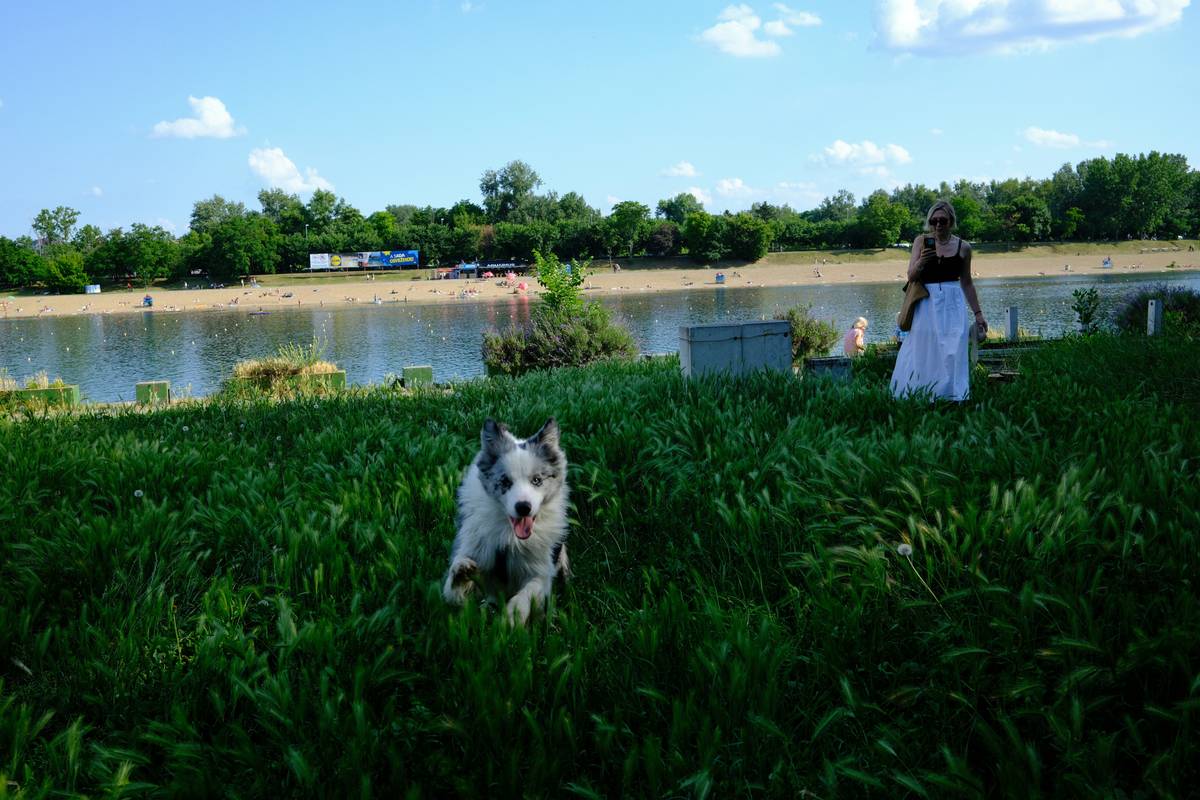
I learned this the hard way with Luna, my border collie mix. At home, she’d rocket to me at “come!” But during a hike in Sedona? She spotted a jackrabbit, ignored three increasingly panicked recalls, and bolted into red-rock canyons. We spent 90 minutes tracking her—heart pounding like a bass drop in a dubstep track—before finding her sniffing cactus flowers, blissfully unaware of my existential crisis.
The problem wasn’t disobedience. It was incomplete generalization. Dogs don’t automatically transfer skills across environments. As Dr. Ian Dunbar, DVM and animal behaviorist, explains in his Before You Get Your Puppy guide: “Reliable recall requires practicing in progressively harder contexts—just like learning a language.”
Step-by-Step: Building Bulletproof Recall on Distance
Phase 1: Reset the Cue (Even If You’ve Used “Come” for Years)
If your current recall word has baggage (e.g., it’s only used before baths or crate time), pick a new, high-energy marker**: “Here!” or “Zoom!” Reserve it only for positive recalls.
Optimist You: “A fresh start! So clean!”
Grumpy You: “Ugh, fine—but I’m bribing myself with coffee first.”
Phase 2: Build Value Indoors (0–10 Feet)
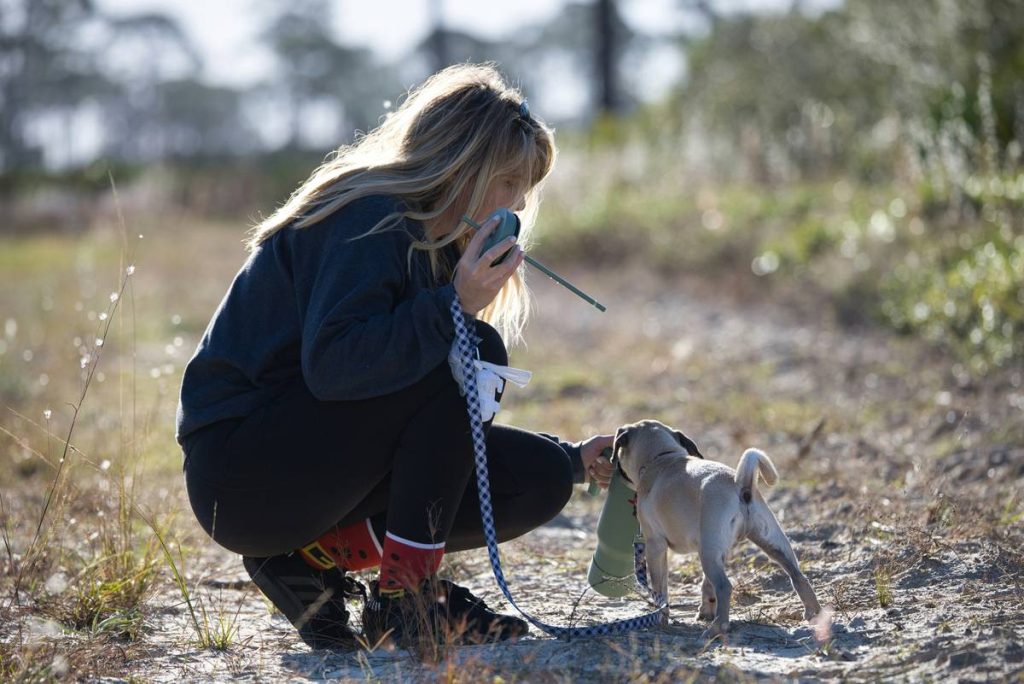
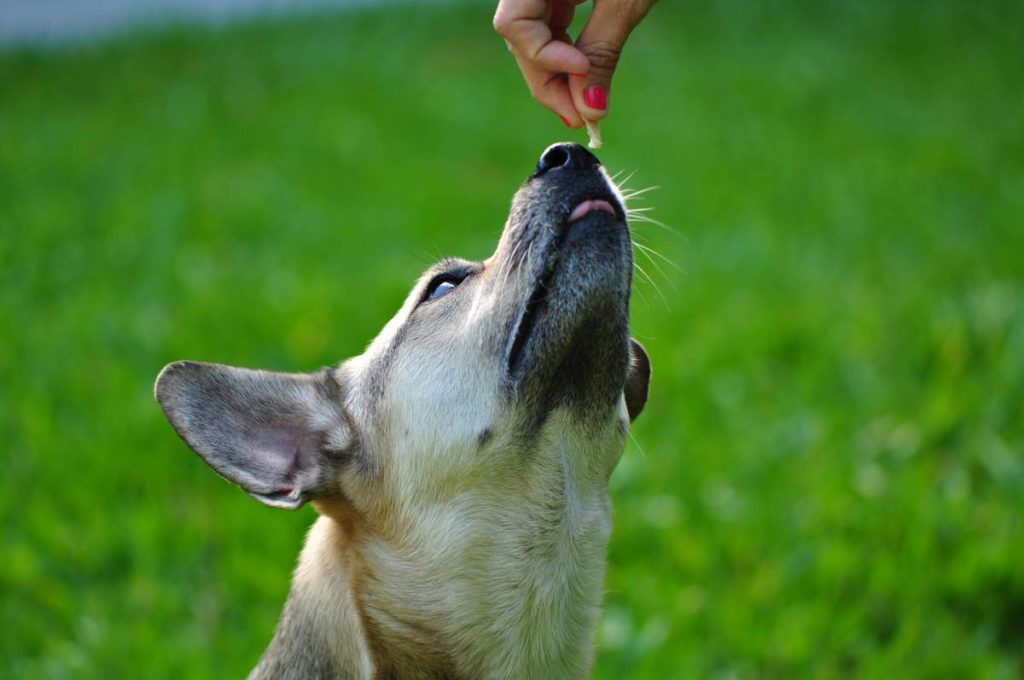
Stand 5 feet away. Say your new cue once. When your dog moves toward you, mark with “Yes!” and reward at your chest level (so they stop close). Use pea-sized pieces of boiled chicken or cheese—not kibble. Repeat 5x, then walk away mid-session to keep it exciting.
Phase 3: Add Controlled Distance (10–30 Feet)
Use a long line (15–30 ft) in your yard. Let your dog sniff, then call. If they hesitate, gently reel them in without tugging hard, then reward lavishly. Goal: associate recall with joy, not leash pressure.
Phase 4: Graduate to Real-World Scenarios
Start at park edges during quiet hours. Use a long line until 90% reliable at 50+ feet. Gradually introduce mild distractions (e.g., a tossed tennis ball nearby). Always end on success!
7 Best Practices for Long-Distance Reliability
- Never punish post-recall—even if they took 10 minutes. That teaches them coming = trouble.
- Use variable rewards: Sometimes a treat, sometimes play, sometimes praise. Unpredictability boosts engagement (per Skinner’s operant conditioning).
- Say the cue ONCE. Repeating it teaches dogs to wait for the third “come!” before moving.
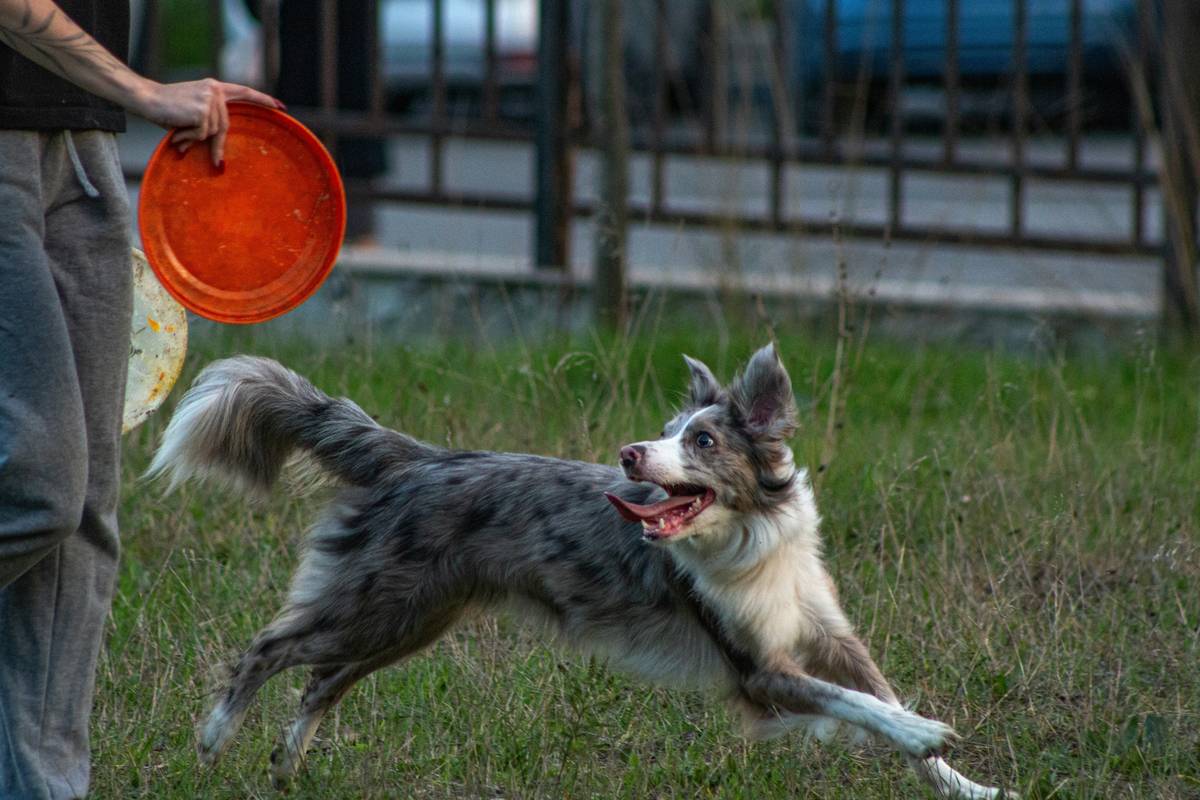
- Run away first: Turn and sprint 10 steps when calling. Most dogs instinctively chase—you’ve turned recall into a game.
- Avoid recall before endings: Don’t call them to leave the park. Instead, go get them, leash up, then reward.
- Test weekly: Even trained dogs regress. Do a 2-minute “surprise recall” during walks.
- Know your dog’s threshold: If they fail at 40 feet near squirrels, don’t push to 60. Backtrack and rebuild confidence.
The Terrible Tip to Avoid
“Just let them off-leash—they’ll learn when they get lost!” Nope. This isn’t training; it’s gambling with your dog’s safety. Per the ASPCA, 1 in 3 lost dogs never return home. Don’t wing it.
Case Study: From Escape Artist to Off-Leash Trust
Meet Max, a 2-year-old Aussie shepherd whose owner, Jen, contacted us after he vanished during a trail run in Boulder. He returned 45 minutes later—covered in mud, thrilled with himself.
We implemented our 4-phase system with two key tweaks:
- Used a squeaky toy as his “jackpot” reward (his #1 motivator)
- Practiced recalls during light rain (his trigger) using a waterproof long line
Within 6 weeks, Max reliably returned from 75+ feet in moderate distractions. At 12 weeks? Off-leash hikes with 100% compliance. Jen now volunteers with local rescue groups, teaching recall fundamentals.
FAQs About Recall on Distance
How far should my dog reliably recall?
Aim for 50–100 feet in low-distraction areas first. In high-distraction zones (like dog parks), even 20 feet is impressive. Safety > distance.
Can older dogs learn recall on distance?
Absolutely. Senior dogs may move slower, but their focus is often better. Adjust rewards for dental/joint health (e.g., soft treats).
My dog comes halfway then stops. Why?
This is “partial reinforcement”—they’ve learned stopping midway still gets attention. Go back to Phase 2: reward ONLY when they reach you, and use higher-value treats.
Should I use an e-collar for recall?
Not without professional guidance. Misuse causes anxiety and erodes trust. Positive reinforcement builds faster, happier results (per 2022 Journal of Veterinary Behavior study).
Conclusion
Recall on distance isn’t magic—it’s methodical. It demands patience, precision, and refusing to skip steps. But when your dog rockets back to you through a field of distractions? Pure gold. Not just obedience: a lifeline.
Start small. Celebrate tiny wins. And remember: every expert trainer once had a dog who ignored them for a leaf.
Like a Tamagotchi, your dog’s recall needs daily care—or it dies.
Dog runs free,
Hear your voice cut through the wind—
Trust earned, not given.