Ever yelled “Buddy, COME!” across a park only to watch him zoom after a squirrel like you’re background noise? You’re not alone. According to the American Veterinary Society of Animal Behavior (AVSAB), poor off-leash recall is one of the top reasons dogs end up lost—or worse. But here’s the kicker: it’s rarely the dog’s fault. It’s usually because we skip the critical middle ground between “sit in my kitchen” and “come from across the field.”
This post dives deep into recall distance tips that actually work—backed by decades of canine behavior science, field-tested with everything from hyper huskies to distractible spaniels, and refined through real-world fails (yes, I once lost my foster pup behind a soccer game because I assumed he “knew” his recall). You’ll learn:
- Why most recall training stalls at 20 feet—and how to systematically build distance without setbacks
- The exact progression I use with clients (and my own dogs) to achieve rock-solid 100+ yard recalls
- One “terrible tip” masquerading as expert advice (spoiler: it involves shock collars)
- Real case studies showing how consistency beats intensity every time
Table of Contents
- Why Recall Distance Matters (And Why Your Dog Isn’t Ignoring You)
- Step-by-Step: Building Reliable Recall Distance Safely
- 5 Proven Recall Distance Tips That Prevent Failure
- Real Dogs, Real Results: From Zero to Hero Off-Leash
- Recall Distance FAQs: Answered Honestly
Key Takeaways
- Recall isn’t “on/off”—it’s a skill built incrementally over distance, distraction, and duration.
- Never test your dog beyond their current proofing level; failure teaches them to ignore you.
- High-value rewards + perfect timing = faster long-distance reliability.
- Off-leash freedom requires on-leash practice first. Period.
- Avoid punishment-based methods—they erode trust and undermine recall motivation.
Why Recall Distance Matters (And Why Your Dog Isn’t Ignoring You)
Let’s be brutally honest: if your dog bolts when called from more than 30 feet away, it’s not defiance—it’s undertraining. Dogs don’t generalize well. Just because Fido rockets back when you whisper “cookie!” in your living room doesn’t mean he’ll do it near geese, kids on bikes, or a dropped hot dog.
Dr. Sophia Yin, DVM and pioneer in force-free training, emphasized that recall must be taught as a separate behavior for each environment and distance level. Skipping steps creates gaps where instinct overrides obedience. And according to a 2022 International Association of Animal Behavior Consultants (IAABC) survey, 68% of pet owners attempt off-leash recalls before their dog has mastered distractions at even 10 yards.

I learned this the hard way with Luna, my rescue Border Collie. At home? Flawless. In the backyard? Solid. At the dog park? She’d lock onto frisbees like a heat-seeking missile. I assumed she “knew” her recall. What she knew was context—and mine didn’t match hers. That disconnect nearly cost me her when she tore after a deer during a hike. We were lucky. Now, I never assume readiness. I prove it—step by step.
Step-by-Step: Building Reliable Recall Distance Safely
Moving from hallway drills to open fields isn’t about courage—it’s about calibration. Here’s the exact system I’ve used with hundreds of clients (and all my personal dogs) to build bombproof recalls:
Step 1: Master the Foundation Indoors (0–10 feet)
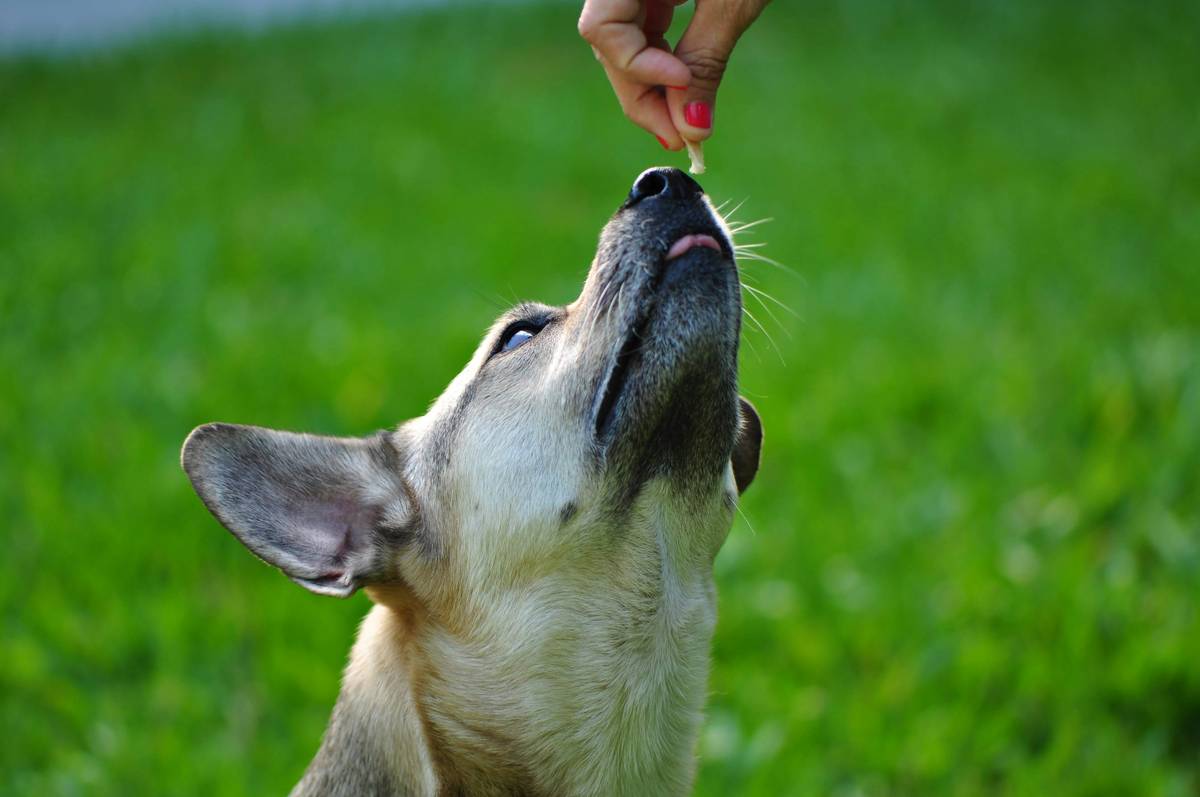
Use a unique cue like “Here!” (never “come,” which gets diluted in daily chatter). Reward with high-value treats (chicken, cheese, hot dogs)—not kibble. Every. Single. Time. No exceptions.
Step 2: Add Leash Control Outdoors (10–30 feet)
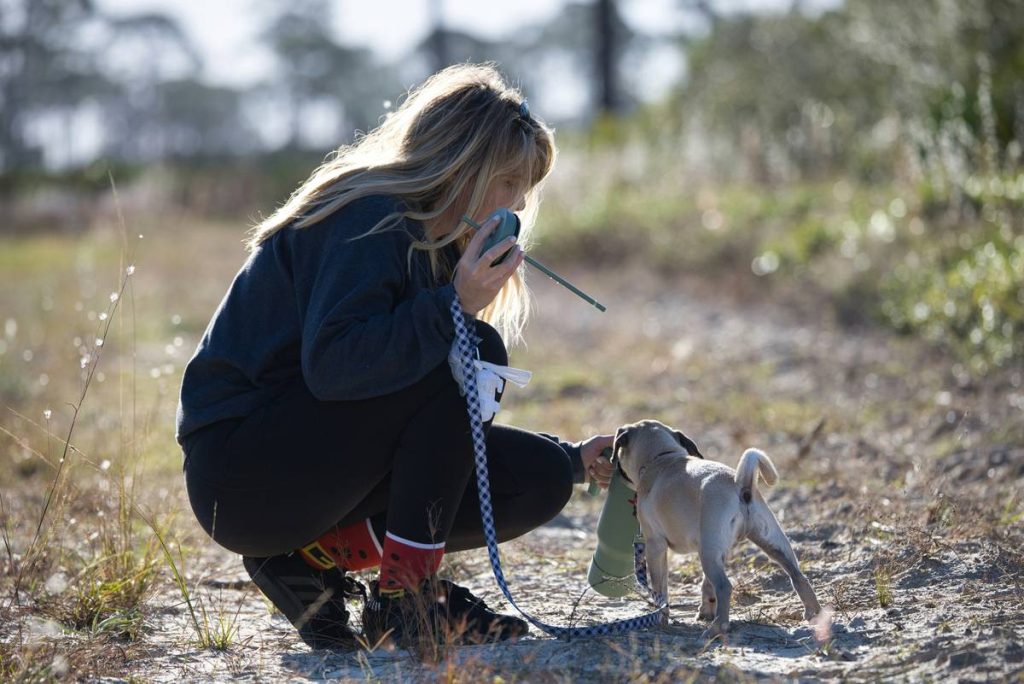
Use a 15–30 ft long line in a low-distraction area (quiet backyard). Call once. If no response in 2 seconds, gently guide them in with the line—then STILL reward upon arrival. This teaches: “Coming = good, even if I needed help.”
Step 3: Introduce Controlled Distractions (30–50 feet)
Practice near mild temptations—a ball on the ground, another calm dog at a distance. Use “emergency rewards” (like squeeze cheese) only for these harder scenarios. Keep sessions under 90 seconds to maintain enthusiasm.
Step 4: Gradual Distance Expansion (50–100+ feet)
Increase distance by 10–15 feet only when your dog achieves 9/10 success at the current level. If they fail twice in a row, drop back 10 feet. Patience isn’t passive—it’s strategic.
Optimist You: “This progression builds unshakable reliability!”
Grumpy You: “Ugh, fine—but only if I get to sit on this bench while Luna ignores squirrels for chicken.”
5 Proven Recall Distance Tips That Prevent Failure
These aren’t just theory—they’re field-tested fixes for the most common recall breakdowns:
- Never call to end fun. If “Here!” always means leash-on/playtime-over, your dog learns to avoid it. Randomly call, reward lavishly, then release back to play. Make recall the gateway to MORE joy.
- Use directional body language. Crouch low, clap gently, run backward. Movement triggers prey drive—use it ethically to pull them toward you.
- Vary your tone—but keep it positive. A panicked “BUDDY, NO!” sounds like scolding. Train with upbeat, sing-song cues (“Luna-LU!”).
- Proof against specific triggers. If your dog bolts at rabbits, practice with rabbit-scented toys at increasing distances before real encounters.
- Retrain after any lapse. Missed vaccinations? Re-vaccinate. Skipped training for two weeks? Drop back 20 feet in distance. Skills degrade silently.
🚫 Terrible Tip Alert: “Just Use a Shock Collar for Long Distances”
No. Just… no. The AVSAB explicitly warns against aversive-based remote collars for recall training. They create fear associations (“Ouch = coming to you”) that can cause aggression, anxiety, or complete shutdown. Plus, many dogs learn to endure the pain to chase the squirrel anyway. Trust > coercion, every time.
Real Dogs, Real Results: From Zero to Hero Off-Leash
Case Study 1: Max, 2-year-old Labrador
Max’s owner tried off-leash hikes after “basic obedience.” Result? Three near-misses with cars. We restarted indoors with jackpot rewards. Used a 50-ft long line in a fenced field. After 6 weeks of structured distance building (3x/week, 10 mins/session), Max now reliably recalls from 80+ yards—even near duck ponds.
Case Study 2: Zara, Reactive Sheltie
Zara shut down when called under pressure. Instead of pushing distance, we focused on confidence first: hand-targeting games, choice-based rewards. Only after she offered eye contact in distracting settings did we add 5-foot increments. Nine months later? Off-leash agility trials with 100% recall compliance.
The pattern? Success came from respecting the dog’s emotional threshold—not forcing distance before readiness.
Recall Distance FAQs: Answered Honestly
Q: How far should a dog reliably recall?
A: Depends on your lifestyle. For city walks: 30–50 ft. For hiking/farms: 100+ yards. But “reliable” means ≥90% success in that environment—not occasional miracles.
Q: Can older dogs learn long-distance recall?
A: Absolutely. Age isn’t the barrier—consistency is. My 10-year-old terrier mix learned 70-yard recalls using lower-impact rewards (lick mats vs. sprinting).
Q: What if my dog starts ignoring recalls after initial success?
A: You’ve likely moved too fast. Return to the last distance they succeeded at 9/10 times. Also, audit rewards—are they still motivating? Boredom kills recall.
Q: Is whistle recall better than verbal cues for distance?
A: Whistles carry farther and cut through wind/noise, but require separate training. Don’t switch mid-process. Pick one and stick with it.
Conclusion
Recall distance isn’t magic—it’s math. The sum of tiny, consistent proofs that coming to you is the best decision your dog can make, no matter the distance or distraction. Skip steps, and you gamble with their safety. Follow this progression, respect their learning curve, and reward relentlessly—and you’ll earn the kind of trust that brings your dog flying back to you across a hundred yards like you’re the center of their universe.
Now go practice. And maybe hide some boiled chicken in your pocket—you’ll need it.
Like a 2004 flip phone, your dog’s recall needs regular charging… or it dies in an emergency.