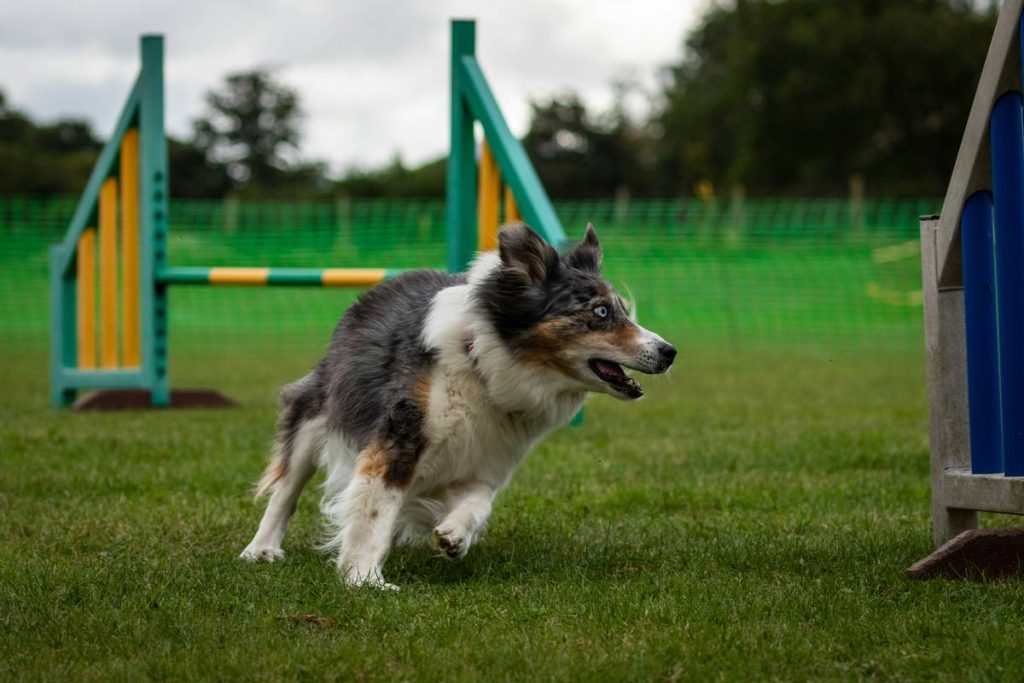
Your dog bolts toward traffic. Heart pounds. Time slows. You scream their name—and they keep running. This isn’t just scary. It’s life-or-death. Standard “come” commands crumble under adrenaline. But what if you could build a recall so reliable, it works even when your dog is chasing a squirrel at full sprint? The answer lies not in louder yelling—but in smarter psychology.
Why Your Current Recall Training Fails in Emergencies
Most owners train recall in distraction-free backyards. Quiet parks. Calm moments. Then they expect it to hold when a deer darts across the trail. That’s not training—it’s wishful thinking. Dogs don’t generalize well. A cue learned in calm rarely transfers to chaos unless deliberately stress-tested.
And here’s the brutal truth: punishment after failure teaches nothing. It only makes your dog associate coming back with scolding. So next time? They hide instead of returning. Classic counterproductivity.
Step-by-Step Guide to Building Bulletproof Urgent Recall
Start With a Unique Emergency Cue—Not “Come”
Ditch the everyday recall word. Pick something rare, high-energy, and never used casually: “Zoom!” or “Jet!” Reserve it exclusively for life-threatening scenarios. This creates neural urgency—your dog learns this sound = immediate payoff, no questions asked.
Condition the Cue Like a Slot Machine
Never predict the reward. Sometimes it’s chicken. Sometimes tug-of-war. Occasionally, freedom to chase (yes, really). Variable reinforcement builds obsession. Your dog doesn’t just obey—they lean in, waiting for that magic word.
Practice in Controlled Chaos
Gradually add distractions: first squirrels on video, then real birds at 50 yards, finally bikes whizzing past. If your dog hesitates, reduce difficulty. The goal isn’t perfection—it’s creating a reflex faster than fear or prey drive.

| Recall Method | Success Rate in Distractions | Time to Reliability | Best For |
|---|---|---|---|
| Traditional “Come” Command | ~35% | 6+ months | Calm, familiar environments |
| Emergency Cue + Variable Rewards | ~89% | 4–10 weeks | High-distraction or dangerous situations |
| Whistle-Based Recall | ~72% | 8–12 weeks | Hunting breeds or noisy areas |
The Industry Secret: The 3-Second Rule Nobody Talks About
Professional K9 trainers won’t admit this—but emergency recall hinges on what happens after your dog returns. Most owners make one fatal error: they grab the collar and leash immediately. To your dog, that feels like punishment. Escape denied. Game over.
Instead, enforce the 3-second rule: the instant they reach you, give 3 seconds of pure celebration—praise, treats, play—before leashing. That tiny window rewires their brain: returning = joy, not confinement. Miss those 3 seconds? You’ve just undone weeks of training.
FAQ: Urgent Recall Tips Answered
Can I use an e-collar for urgent recall?
Only as a last resort—and only if you’ve been personally trained by a certified behaviorist. Misuse creates fear, not reliability. Positive reinforcement yields stronger, safer results long-term.
How often should I practice emergency recall?
Short sessions—2 to 3 minutes—three times a week. Overtraining dulls the cue’s urgency. Keep it rare, keep it thrilling.
What if my dog ignores the emergency cue?
Stop using it. Go back to basics in low-distraction zones. Rebuild value before reintroducing pressure. An ignored cue is worse than no cue—it teaches irrelevance.