Your dog bolts. Heart drops. You yell “Come!”—they vanish over the hill. Standard recall drills fail when space stretches between you and your pup. And panic sets in. But what if the issue isn’t disobedience—it’s physics, psychology, and misplaced trust? Here’s how to build bulletproof recall at distance that works even when distractions scream louder than you.
Why “Just Use Treats” Fails Beyond 20 Feet
Most owners drill recall in the backyard. Low stakes. Zero chaos. Then they unleash at the park—and fail instantly. Distance changes everything. At 30+ feet, your voice fades. Squirrels win. Your dog’s brain switches from “obey” to “explore.”
And here’s the brutal truth: rewards alone don’t scale with space. The farther your dog is, the weaker your influence becomes—unless you’ve engineered value into the *act* of returning, not just the treat after.
Building Reliable Recall at Distance: A Field-Tested Protocol
Forget theoretical obedience. This system works in real environments—trails, beaches, crowded fields. It hinges on three non-negotiable phases.
Phase 1: Anchor the Cue Up Close (0–15 ft)
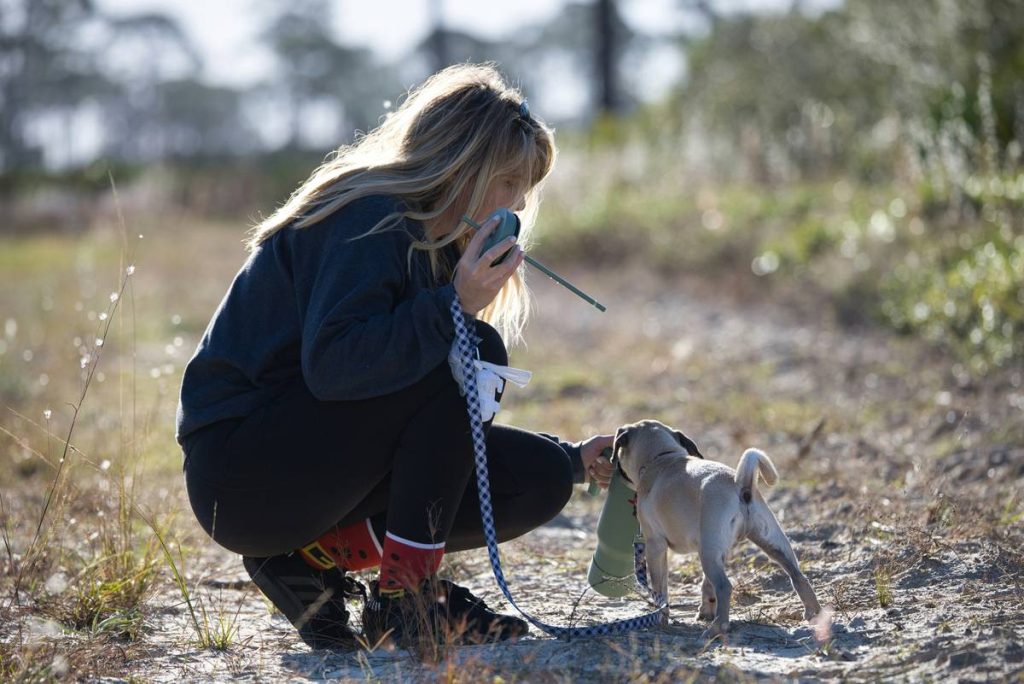
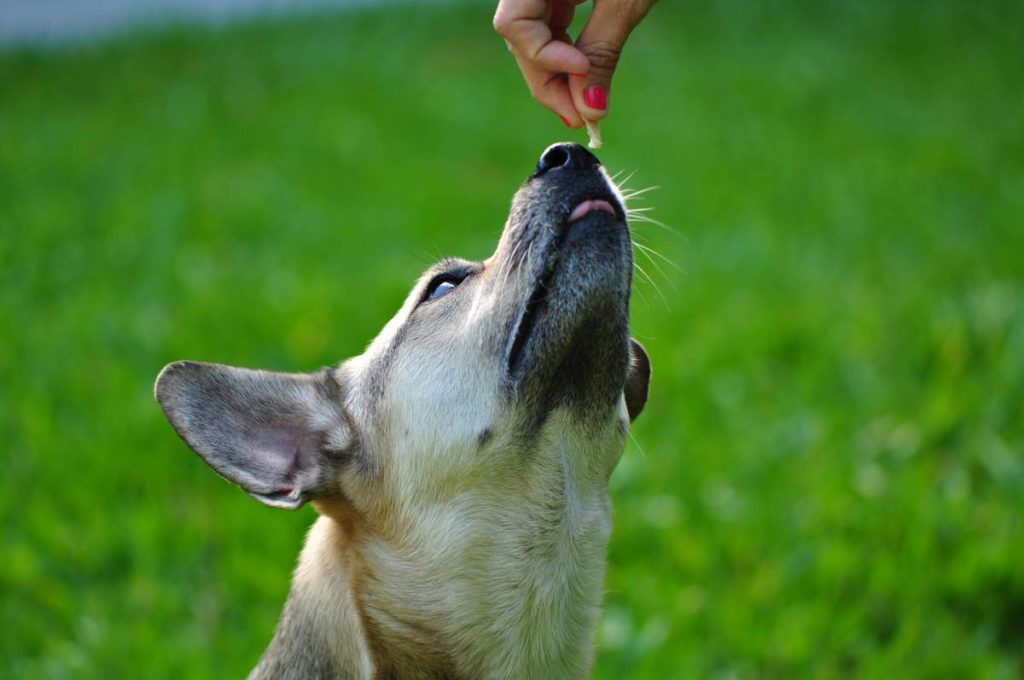
Use a unique sound—like a whistle or kissy noise—not your everyday “come.” Pair it ONLY with high-value rewards: chicken, cheese, tug games. Never say it casually. Never repeat it. One crisp signal. One explosive return. Period.
Phase 2: Add Motion & Mild Distraction (15–40 ft)
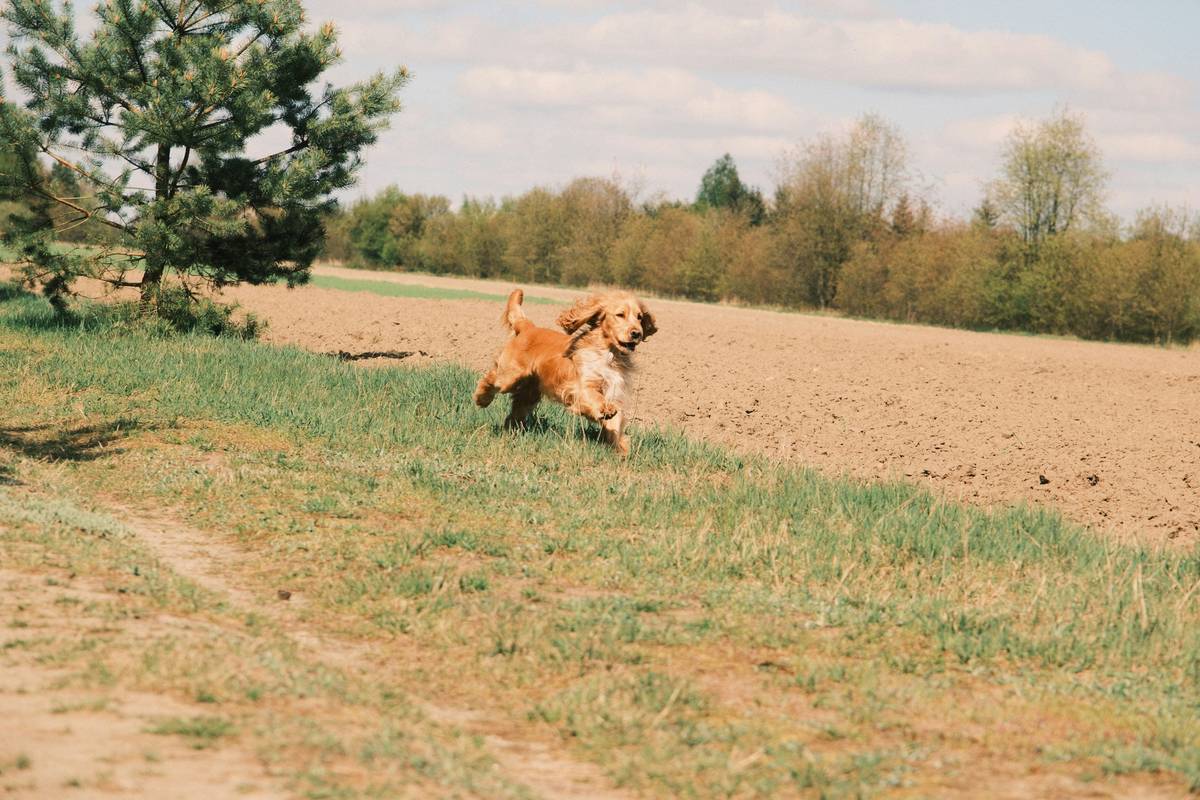
Now move while calling. Toss the reward *behind* you as your dog approaches—so they loop back into heel position, not crash into your legs. Sprinkle light distractions: bouncing a ball nearby, having a friend stand 20 feet off. Reward speed, not just compliance.
Phase 3: Simulate Real Chaos (40+ ft)
This is where most quit. Don’t. Practice near squirrels, bikes, other dogs—but only when you’re confident. Start leashed with a long line. If they hesitate, *don’t pull*. Instead, run backward wildly while slapping your thighs. Make returning feel like chasing prey. Then—jackpot reward.

| Training Method | Max Effective Distance | Time to Reliability | Risk of Poisoning Cue |
|---|---|---|---|
| Backyard Treat Recall | 10–20 ft | 2–3 weeks | High (overuse, low stakes) |
| Engagement-Based Recall (this protocol) | 100+ ft | 6–10 weeks | Low (cue preserved for high-value moments) |
| Remote Collar Dependency | Varies | 1–2 weeks | Critical (dog returns to avoid pain, not you) |
The Industry Secret: Distance Isn’t About Obedience—It’s About Value Arbitrage
Here’s what top field trainers whisper but rarely publish: dogs don’t calculate commands. They weigh opportunity cost. At 50 feet, chasing a rabbit offers immediate dopamine. Returning offers… maybe a dry kibble later. The math loses.
So flip the equation. Make the *return journey* the thrill. Sprint away. Yip like prey. Unleash a flirt pole mid-recall. Suddenly, coming back isn’t sacrifice—it’s the hunt. And that? That scales to any distance.
But—never test reliability in true danger zones until Phase 3 is locked in. One failure can unravel months of work.
Frequently Asked Questions
How far should I start practicing recall at distance?
Begin at 10–15 feet in zero-distraction zones. Master crisp returns before adding 5-foot increments weekly.
Can I use a verbal cue like “come” for distance recall?
Avoid it. “Come” gets diluted by daily use. Pick a novel sound—whistle, tongue click—that’s reserved solely for emergency or distance recalls.
Why does my dog ignore me only when far away?
Because proximity masks weak motivation. At distance, your cue competes with real-world rewards. You must make returning more exciting than staying.