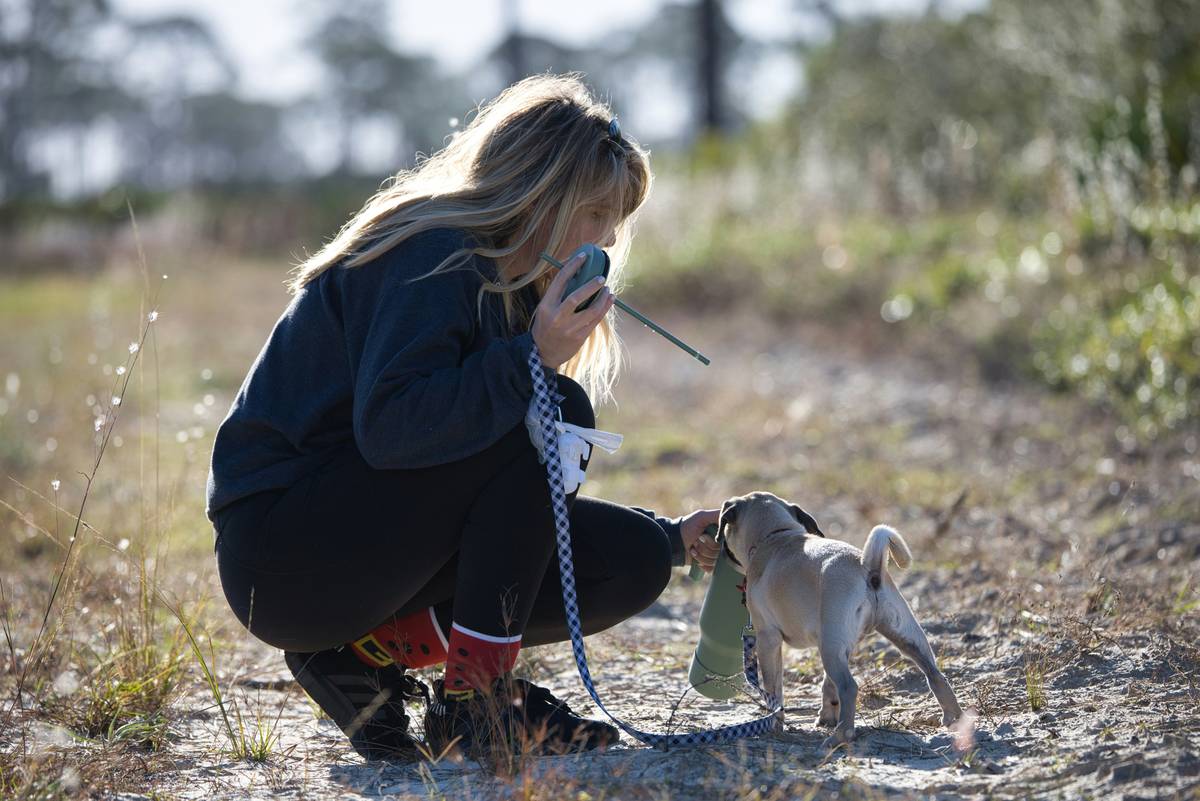
Your dog bolts at the sight of a squirrel. You yell “Come!”—they don’t even flinch. Standard recall drills failed because you trained in your quiet backyard, not where distractions live. Focus proofing bridges that gap. It’s not about obedience—it’s about building unbreakable attention under pressure.
Why Most Recall Training Falls Apart in the Real World
Dogs aren’t disobedient—they’re overwhelmed. Traditional methods teach “come when called” in sterile environments. But real life? It’s chaos: bikes zooming past, kids shrieking, deer darting through bushes. Without structured exposure to escalating distractions, your cue becomes background noise. And repetition alone won’t cut it.
Here’s the reality: if your dog can’t hold eye contact while a tennis ball rolls by, no amount of treats will save your recall at the dog park.
The Step-by-Step Focus Proofing Protocol
Start Indoors With Micro-Distractions
Use low-value items—a crinkled paper bag, a dropped spoon. Ask for eye contact. Reward the instant they look back at you. Keep sessions under 90 seconds. Short. Sharp. Successful.
Progress to Controlled Outdoor Zones
Move to your driveway or a quiet sidewalk. Introduce movement: toss a toy 10 feet away—but don’t let them chase. Mark and reward the moment they disengage from the distraction and refocus on you. This builds the neural pathway: “Distraction = opportunity to earn value from handler.”
Simulate High-Stakes Scenarios
Recruit helpers. Have someone walk a leashed dog nearby. Or drop food on the ground. Your job isn’t to prevent the glance—it’s to reward the return. Speed matters. Delayed reinforcement teaches hesitation.

| Distraction Level | Environment | Key Metric | Success Threshold |
|---|---|---|---|
| Low | Quiet room | Hold gaze 3 sec after sound trigger | 9/10 trials |
| Medium | Fenced yard | Disengage from moving object within 2 sec | 8/10 trials |
| High | Park edge | Return to heel amid 2+ distractions | 7/10 trials |
The Industry Secret: Leverage the “Attention Debt” Principle
Most trainers wait for perfect behavior before rewarding. Big mistake. The pros do the opposite: they create an “attention debt.” Here’s how—deliberately introduce a distraction your dog can’t resist (like a running rabbit decoy). When they inevitably break focus, immediately retreat 20 feet. No scolding. Just silent distance. Then, ask for engagement again. The dog learns: losing focus costs access to the environment. Regaining it restores freedom. This flips motivation from treat-chasing to self-driven vigilance. It’s not taught in certification courses—it’s field-tested by competitive obedience handlers who win in stadiums, not backyards.
FAQ
How is focus proofing different from standard recall training?
Standard recall relies on consistency in calm settings. Focus proofing systematically builds attention resilience amid chaos—making recall reliable exactly when it’s hardest.
Can I start focus proofing with a reactive dog?
Yes—but begin below threshold. If your dog lunges at passing dogs, start with still silhouettes 100+ feet away. Build tolerance slowly. Rushing creates setbacks.
How long until I see results?
Most owners see measurable improvement in 10–14 days with daily 5-minute sessions. But real-world reliability takes 6–8 weeks of progressive proofing.