Your dog bolts the second a squirrel darts across the yard. You scream “Come!”—they vanish. Sound familiar? Most recall training fails because it stops at the backyard. Real-world distractions demand real-world rehearsal. The fix? Precision-crafted proof exercises that simulate chaos before chaos strikes.
Why Your Recall Training Keeps Failing
Traditional methods drill obedience in sterile environments. Quiet parks. Empty driveways. Zero variables. Then reality hits—a cyclist, a dropped hot dog, a barking neighbor—and your dog’s brain resets to factory settings. And here’s the kicker: dogs don’t generalize well. A cue mastered at home means nothing on a bustling trail unless you’ve layered in graduated chaos.
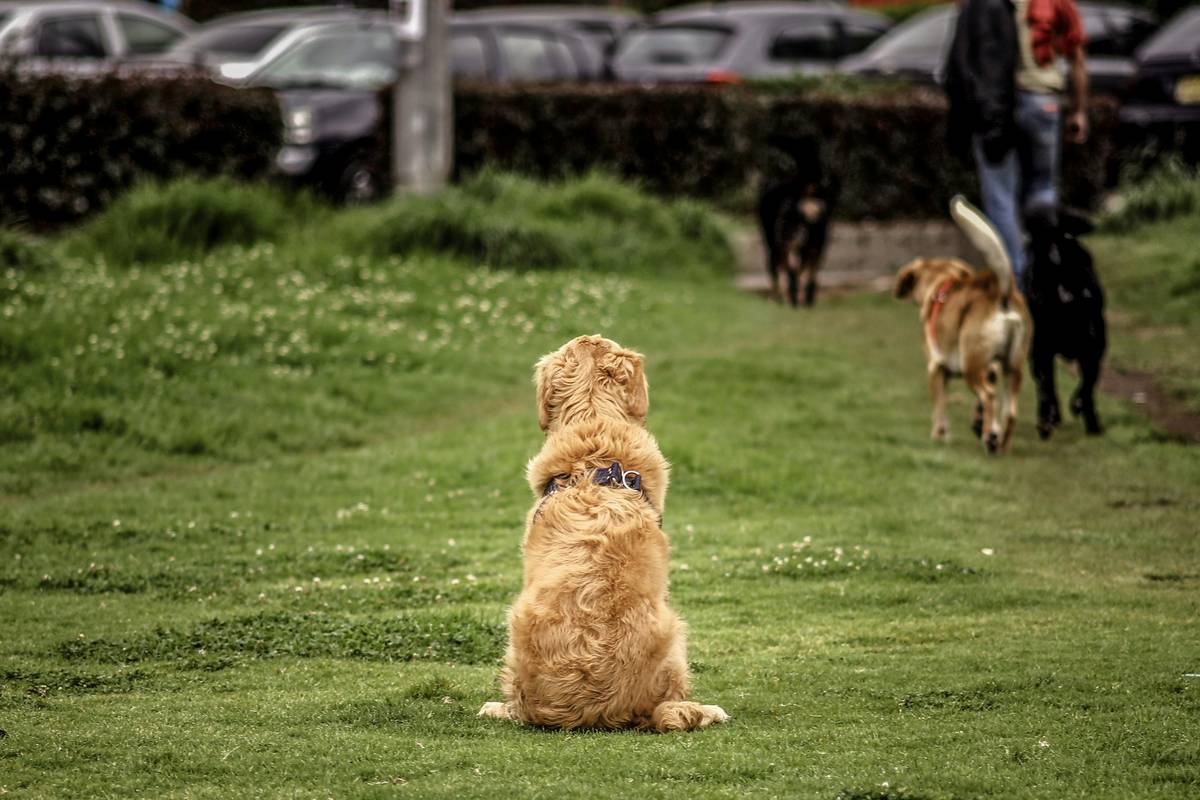
Trainers call this “context collapse.” Your pup isn’t disobedient—they’re confused. They never learned that “come” applies when their nose is buried in goose poop or their eyes lock onto a fleeing rabbit. Without structured distraction exposure, recall remains fragile.
Proof Exercises: Your Step-by-Step Distraction-Proofing Protocol
Forget random “practice sessions.” Effective proofing follows a deliberate progression—low distraction to high, predictable to unpredictable, controlled to chaotic. Start indoors. End at the dog park’s edge during peak hours. Here’s how:
Phase 1: Foundation Under Mild Pressure
Use mealtime as leverage. Call your dog from another room with zero distractions. Reward instantly with high-value food (think chicken, not kibble). If they hesitate, reset—don’t repeat the cue. Repetition teaches them “come” is optional.
Phase 2: Controlled Outdoor Distractions
Move to a fenced yard. Introduce one mild distraction: a bouncing ball just out of reach, another person standing quietly, or wind rustling leaves. Keep distance short—10 feet max. If your dog glances away but returns, jackpot the reward. This builds impulse control.
Phase 3: Simulated Real-World Chaos
Now escalate. Have a friend walk past with a dog on-leash. Toss a toy behind you mid-recall. Play sudden loud sounds from your phone (fireworks, doorbells). Vary timing—sometimes reward after one recall, sometimes after three. Unpredictability mirrors reality.
| Distraction Level | Environment | Key Proof Exercise | Reward Strategy |
|---|---|---|---|
| Low | Quiet living room | Recall from another room | High-value treat every time |
| Medium | Fenced backyard | Recall near tossed toy (not chasing) | Variable: 70% treat, 30% play |
| High | Busy sidewalk | Recall amid passing dogs/cyclists | Jackpot for instant response |
The Industry Secret Nobody Talks About
Top competitive obedience handlers don’t just add distractions—they engineer failure points. They intentionally set dogs up to almost fail, then rescue them with perfect timing. Example: call your dog while they’re sniffing something irresistible—but interrupt the sniff *just* as they start to disengage. That millisecond of choice? That’s where true reliability is built. Most owners wait until the dog is already lost in scent. By then, it’s too late. The magic window is that split-second when attention flickers back toward you. Catch it. Reward it. Repeat.
This isn’t about control. It’s about collaboration. Your dog learns that checking in—even amidst temptation—pays off better than going solo.
Frequently Asked Questions
How often should I do proof exercises?
Short sessions (3–5 minutes) 4–5 times weekly beat marathon drills. Consistency trumps duration.
What if my dog ignores me during proofing?
Drop the distraction level immediately. Reset in a quieter space. Never chase—it turns recall into a game you lose.
Can older dogs learn distraction-proof recall?
Absolutely. Neural pathways adapt at any age. Start slower, use higher-value rewards, and celebrate tiny wins.