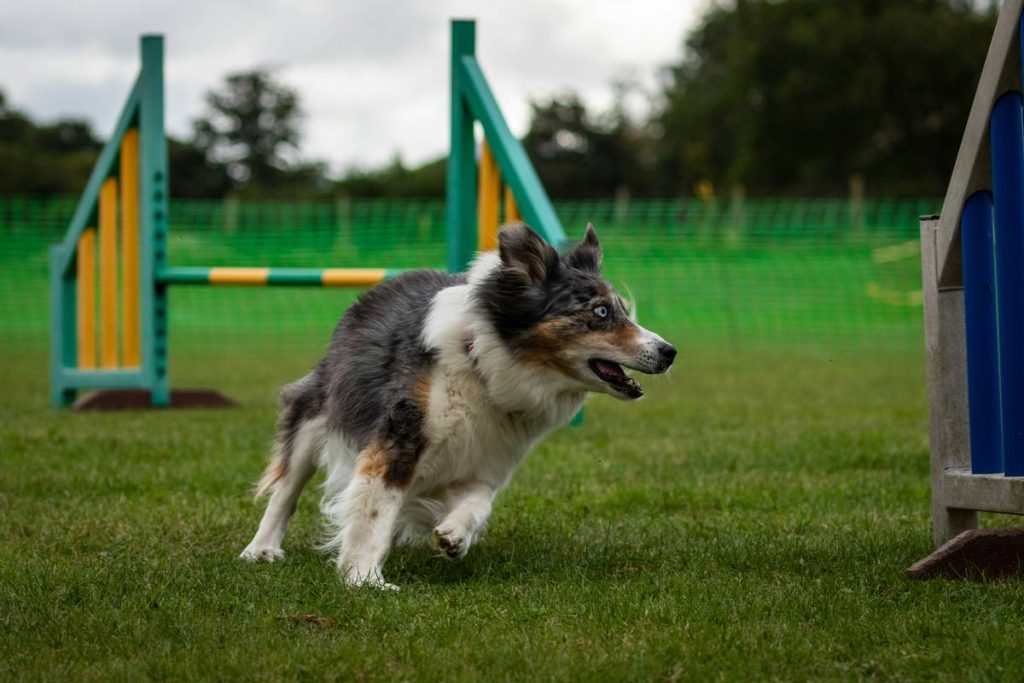
Your dog bolts—chasing a squirrel, sprinting toward traffic, or lunging at another animal. In that split second, your voice vanishes into background noise. Standard “come” cues fail. Panic sets in. Crisis recall training isn’t just obedience—it’s emergency response on four legs.
Why Traditional Recall Commands Collapse in Emergencies
Most owners practice recall in distraction-free backyards. Real-world chaos? That’s a different beast. A dog fixated on prey drive operates on instinct—not polite conditioning.
Dogs aren’t being disobedient. Their brains literally shut down higher cognition when adrenaline spikes. And yelling “Fido, come!” while waving arms only adds to the sensory overload.
The gap between casual recall and crisis recall is as wide as the difference between jogging and sprinting from a burning building.
Step-by-Step Crisis Recall Training Protocol
This isn’t about repetition. It’s about engineering an irresistible neural override switch—one that fires even when your dog’s brain is screaming “CHASE!”
Phase 1: The Unbreakable Cue
Never use your everyday “come” word. Pick something bizarre: “Emergency!”, “Zebra!”, or “Bananas!”—anything unused in daily life. This becomes your dog’s panic-button signal.
Pair it exclusively with ultra-high-value rewards: cooked chicken, freeze-dried liver, or squeaky toys they never see otherwise. The reward must be worth interrupting a squirrel pursuit.
Phase 2: Controlled Distraction Drills
Start indoors with mild distractions (a bouncing ball). Say your cue once—then immediately reward upon return. No repeats. If ignored, reset. Never turn it into a shouting match.
Gradually escalate: backyard → quiet park → busy street edge. Add motion, noise, other dogs—but only advance when success rate exceeds 90%.
Phase 3: The “Run Away” Trigger
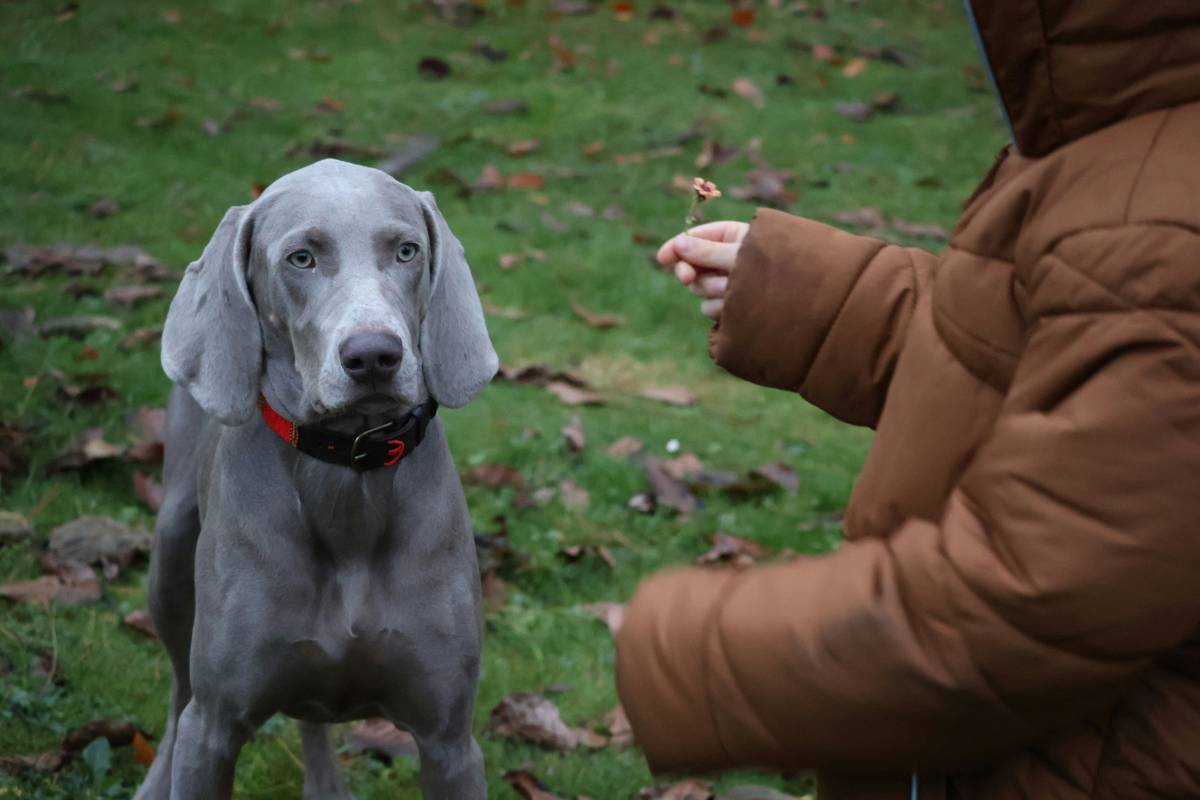
Here’s where most fail. Dogs associate recall with “fun ending.” Flip the script: when they return during play, toss treats AND run in the opposite direction—making return = continuation of adventure.
This builds positive emotional momentum. They learn coming to you doesn’t mean confinement—it means more engagement.
| Training Stage | Environment | Reward Type | Success Threshold |
|---|---|---|---|
| Foundation | Quiet indoor space | High-value food (e.g., chicken) | 5/5 returns on first cue |
| Distraction Build | Fenced yard / empty parking lot | Food + toy combo | 9/10 returns amid mild stimuli |
| Crisis Simulation | Controlled off-leash area with decoy distractions | Novel high-value item (never used before) | 7/8 returns despite prey trigger |
The Industry Secret: Leverage Predatory Sequence Interruption
Most trainers focus on “calling back.” Elite handlers interrupt the predatory sequence itself. Here’s how: dogs follow a hardwired sequence—orient, eye, stalk, chase, grab-bite.
If you intervene at the “eye” or “stalk” phase (before full chase), your cue has 3x higher compliance. Watch your dog’s body language like a hawk. Tight focus, lowered head, stiff tail? That’s your window.
The real secret? Train your own reflexes first. Crisis recall isn’t just about the dog—it’s about your timing, tone, and energy the millisecond fixation begins.
Frequently Asked Questions
What’s the best age to start crisis recall training?
Start as early as 12 weeks—but keep sessions under 2 minutes. Puppies absorb neural patterns rapidly; adults can rewire too, but require more repetition.
Can older dogs learn crisis recall?
Absolutely. Age isn’t the barrier—consistency is. Use novel rewards they’ve never experienced to spark motivation. An 8-year-old Beagle learned in 6 weeks using bacon-wrapped hot dogs.
How often should I practice crisis recall?
2–3 short drills weekly. Overuse dulls the cue’s urgency. Keep it rare, powerful, and always rewarding—never a punishment tool.