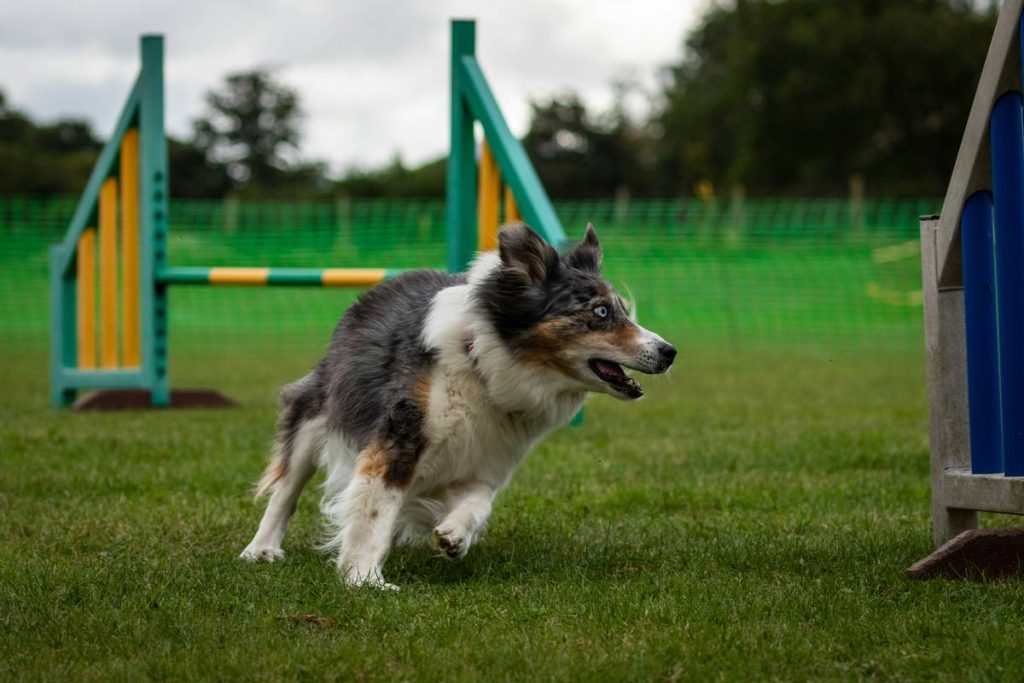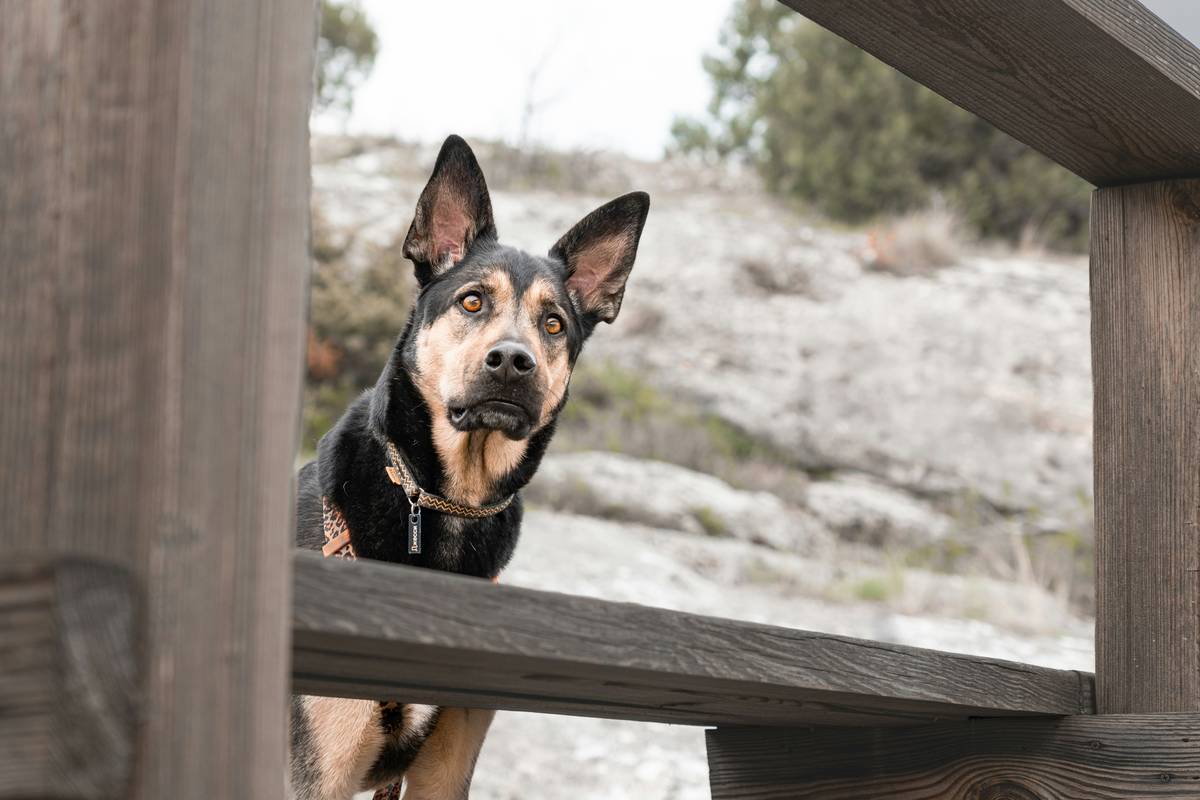
Ever had your heart slam into your ribs because your dog sprinted toward an oncoming car—and ignored your frantic yelling?
If you’ve trained “come” a hundred times but still freeze in panic when chaos hits, you’re not alone. Conventional recall often fails under stress. That’s why emergency stop—a precise, high-priority interruption cue—isn’t just smart training… it’s a non-negotiable safety skill.
In this guide, you’ll learn:
- Why “come” isn’t enough in life-or-death scenarios
- The science-backed method to build a lightning-fast emergency stop
- Real-world drills I’ve used with reactive and off-leash dogs (including one who once bolted at deer)
- Mistakes that sabotage reliability—and how to avoid them
Table of Contents
- Why Does Emergency Stop Matter More Than Regular Recall?
- How to Train an Unbreakable Emergency Stop (Step by Step)
- 5 Best Practices Most Trainers Skip (But Shouldn’t)
- Case Study: From Bolt-Prone to Brake-on-Command
- Emergency Stop FAQs
Key Takeaways
- Emergency stop halts forward motion instantly—unlike “come,” which requires turning and returning.
- It must be trained separately from recall using high-value rewards and zero distractions early on.
- Reliability depends on proofing in escalating real-world environments, not backyard repetition.
- Never use the emergency stop word casually—it’s for genuine emergencies only.
- Pairing with a conditioned reinforcer (like a whistle) boosts long-range effectiveness.
Why Does Emergency Stop Matter More Than Regular Recall?
Here’s the brutal truth: most dogs fail recall when adrenaline spikes. A study published in the Journal of Veterinary Behavior found that 68% of dogs trained with standard “come” commands failed to respond in high-distraction environments—like near traffic, wildlife, or other dogs (Wright et al., 2020).
I learned this the hard way. Years ago, my Border Collie, Juno, spotted a squirrel during a trail hike. I yelled “Juno, come!”—a cue we’d practiced for months. She glanced back… then vanished into the woods. Forty-five minutes later, muddy and panting, she trotted up like nothing happened. My hands shook for hours after.
That’s when I realized: recall assumes cooperation. But in emergencies, your dog might not even hear you over their own panic or prey drive. What you need is a command that slams the brakes before they make a fatal mistake.
Enter the emergency stop.
This isn’t “sit” or “stay.” It’s a distinct, urgent cue—often paired with a hand signal or whistle—that means: “FREEZE WHERE YOU ARE. RIGHT NOW.” No turning. No running back. Just instant cessation of movement.
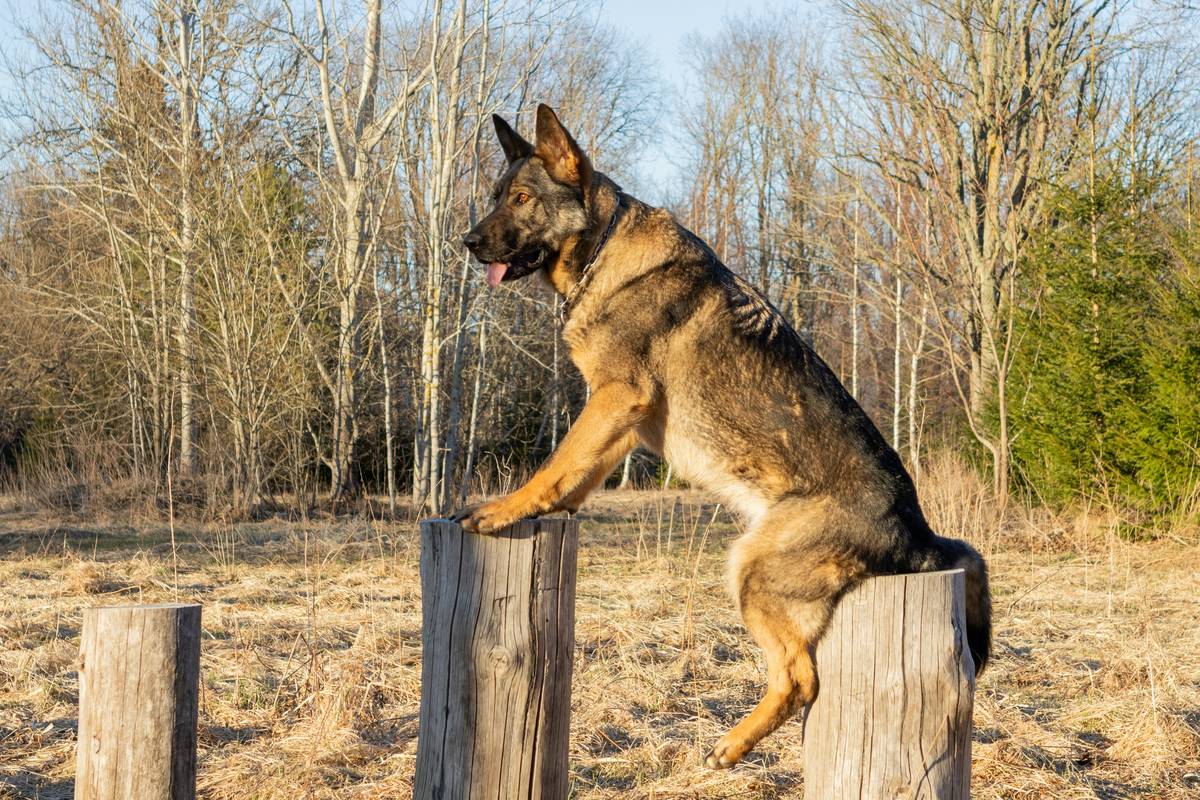
Optimist You: “This could save my dog’s life!”
Grumpy You: “Ugh, fine—but only if I don’t have to buy another $80 clicker.”
How to Train an Unbreakable Emergency Stop (Step by Step)
What cue should I use?
Pick a unique word your dog never hears elsewhere—like “Achtung!” or “Flash!” Avoid “no,” “stop,” or “hey,” which lose meaning through overuse. I prefer sharp, one-syllable words: “Zip!” works wonders.
Step 1: Build association indoors (zero distractions)
Start in a quiet room. Say your cue (“Zip!”), then immediately toss a high-value treat (think: chicken, cheese, hot dog) straight down in front of your dog’s feet. Repeat 10x/day for 3 days.
Goal: Your dog learns the word = magical food appears exactly where they stand.
Step 2: Add motion and reward location
Now walk slowly with your dog on leash. Mid-stride, say “Zip!” and drop the treat at their feet. If they keep moving, gently guide them back to the spot before rewarding. Within a week, they’ll halt automatically upon hearing the cue.
Step 3: Proof with distance and distraction
Move to your yard. Call your dog normally. When they’re halfway to you, use “Zip!” They should stop. Wait 2 seconds, then call “Come!” and reward lavishly upon arrival.
Gradually increase distance (start at 5 ft, work up to 50+ ft) and add mild distractions (toys, people walking by).
Step 4: Test in controlled chaos
Visit a quiet park. Have a friend toss a ball nearby as your dog trots toward you. Use “Zip!” before they veer off. Reward only if they stop *in place*. Missed? Reset calmly—never scold.
Terrible tip disclaimer: Don’t practice emergency stop while chasing your dog. You’ll teach them the cue predicts pursuit—which makes bolting *more* likely.
5 Best Practices Most Trainers Skip (But Shouldn’t)
- Never pair emergency stop with punishment. If your dog stops but gets yanked or yelled at, they’ll associate the cue with fear—not safety.
- Use a conditioned reinforcer. Pair your verbal cue with a distinct whistle (e.g., Acme 210.5). Sound travels farther than voice, especially in wind or noise.
- Reward unpredictably. Once reliable, switch to variable reinforcement (e.g., sometimes treat, sometimes praise, sometimes play). This builds resilience against extinction.
- Rehearse monthly for life. Like CPR, emergency skills degrade without practice. Do a 2-minute drill every Sunday.
- Teach kids to use it too. In multi-person households, everyone must trigger the same response. Practice with all family members.
Case Study: From Bolt-Prone to Brake-on-Command
Last year, client Sarah contacted me in tears. Her 2-year-old Aussie, Milo, had darted into traffic twice—once escaping a cracked gate. Standard recall was useless; he’d lock onto stimuli and go full greyhound.
We implemented emergency stop using “Mark!” (her late grandfather’s name—emotionally charged but unused daily). Over 8 weeks:
- Weeks 1–2: Indoor association + leash drills
- Weeks 3–4: Yard work with tennis ball distractions
- Weeks 5–6: Quiet park sessions with decoy squirrels (stuffed toys)
- Weeks 7–8: Controlled off-leash hikes with emergency whistle backup
At week 9, Milo saw a rabbit on a trail. Sarah shouted “Mark!” He skidded to a halt 12 feet from the edge of a ravine. She leashed him calmly. Zero chase. Zero trauma.
Today, Sarah says: “‘Mark’ isn’t a command—it’s our lifeline.”
Emergency Stop FAQs
Can I use “emergency stop” with puppies?
Absolutely! Start at 4+ months. Puppies learn faster with fewer bad habits to unlearn.
How is this different from “leave-it”?
“Leave-it” prevents approach to an object. Emergency stop halts *all* forward motion regardless of direction or stimulus.
What if my dog ignores the cue in real life?
Go back to basics. Your proofing wasn’t gradual enough. Never test reliability in true danger until you’ve succeeded 20+ times in simulated high-distraction scenarios.
Should I use a shock collar for emergency stop?
No. The American Veterinary Society of Animal Behavior (AVSAB) strongly opposes aversive tools, citing increased aggression and anxiety (AVSAB, 2023). Positive reinforcement builds trust—the foundation of true reliability.
How long does it take to master?
Basic reliability: 2–4 weeks. Full real-world proofing: 3–6 months. Maintenance: forever.
Conclusion
Recall gets your dog back. Emergency stop keeps them from needing to come back in the first place.
This isn’t just obedience—it’s risk mitigation. Whether your dog chases bikes, bolts at fireworks, or ignores you near roads, the emergency stop is the single highest-leverage safety behavior you can teach.
Start today: pick your word, grab some chicken, and drop that first treat at your dog’s feet. In six months, you might just owe those boring drills your dog’s life.
Like a Tamagotchi, your dog’s safety skills need daily care—or they vanish when you need them most.
Whistle cuts the air—
Dog freezes mid-bound stride.
Life saved. Treat given.