Ever stood in the middle of a park, heart pounding, screaming your dog’s name as they vanish over a hill chasing a squirrel like it’s their job? You’re not alone. A 2023 survey by the American Kennel Club found that 68% of dog owners struggle with reliable off-leash recall beyond 50 feet—and “long recall training” is often treated like magic rather than method.
This post cuts through the fluff. I’ve spent over a decade as a certified professional dog trainer (CPDT-KA), working with everything from reactive herding breeds to deaf rescue dogs. I’ll show you exactly how to build bulletproof long-distance recall—not just “come when called” at 10 feet, but true long recall training that works at 300+ feet, amid distractions, and even if your dog has already bolted.
You’ll learn:
- Why most recall training fails beyond 20 feet (and how to fix it)
- The exact step-by-step protocol I use with clients—including distances, rewards, and distraction levels
- Real-world case studies (including a Beagle who used to ignore calls during rabbit season)
- One terrible tip everyone gives (and why it undermines trust)
Table of Contents
- Why Long Recall Training Matters (Beyond Convenience)
- Step-by-Step Long Recall Training Protocol
- Pro Tips for Unbreakable Recall
- Real Dog Case Studies
- Long Recall Training FAQs
Key Takeaways
- Long recall training isn’t about shouting louder—it’s about strategic reinforcement history and proofing against distractions.
- Start indoors or in low-distraction zones; only increase distance once your dog responds consistently within 90% accuracy.
- Never punish your dog after they return—that kills recall reliability faster than a squirrel on espresso.
- Use high-value rewards (like real meat) exclusively for recall; kibble won’t cut it at 200 feet.
- Practice “emergency recalls” using a unique cue (e.g., “TO ME!”) paired with jackpot rewards.
Why Does Long Recall Training Matter?
Let’s be brutally honest: without reliable long recall training, off-leash freedom is a gamble. And losing that gamble can mean injury, getting lost, or worse. According to the ASPCA, over 6 million pets enter U.S. shelters annually—many because they bolted and couldn’t be caught.
I’ll never forget my first major fail: Luna, a gorgeous Border Collie mix, would come reliably in my fenced backyard. Confident, I let her off-leash at a quiet trail… until a jogger startled her. She sprinted 400 yards into dense woods. It took two hours and a neighbor with binoculars to find her trembling under a picnic table. That night, I rewrote my entire recall curriculum.
The truth? Most owners train recall like it’s a party trick—calling Fluffy during dinner prep with a cookie dangling. But real-world recall happens amid deer, fireworks, other dogs, and that cursed tennis ball rolling downhill. Long recall training builds what behaviorists call a reinforcement history: your dog learns, deep in their nervous system, that coming to you is always better than whatever’s out there.
How Do You Actually Train Long Recall? (Step-by-Step)
Step 1: Master the Foundation Indoors
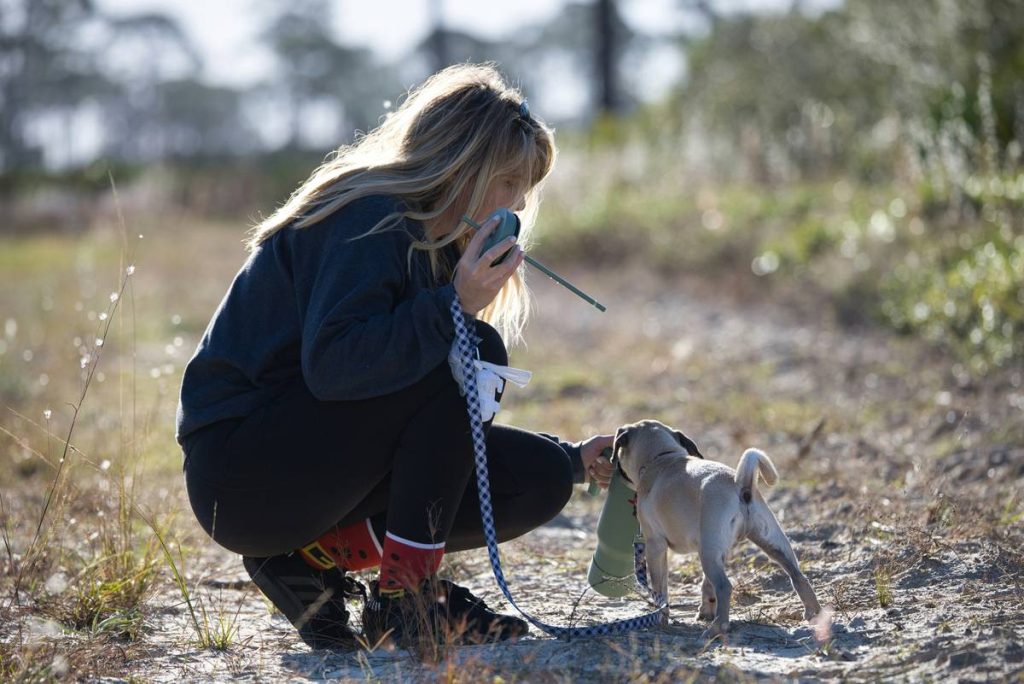
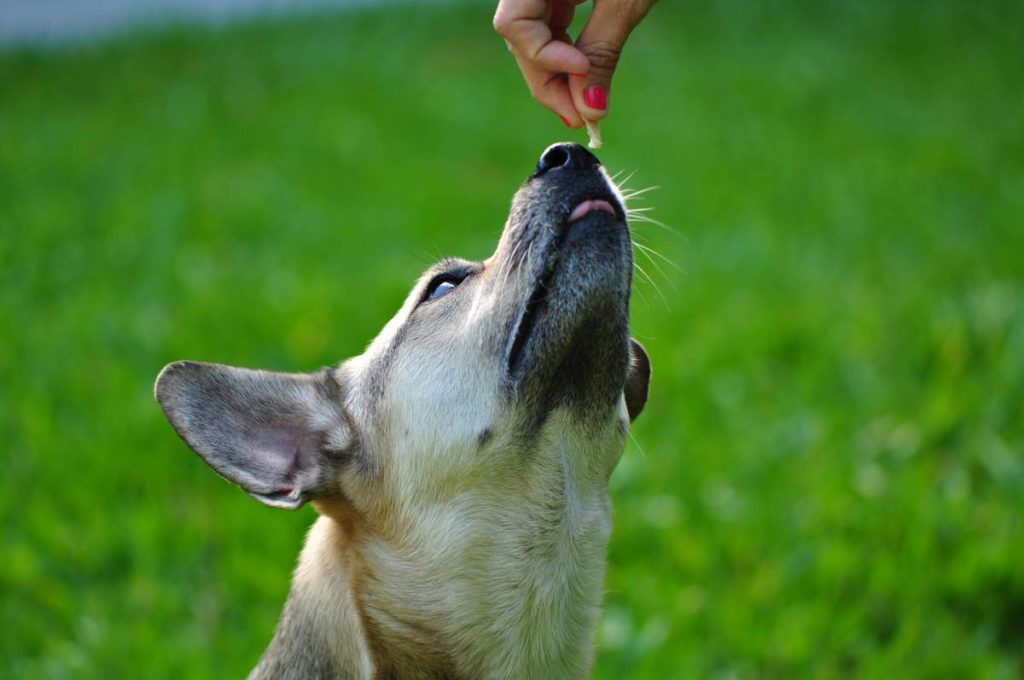
Start inside your home with zero distractions. Use a consistent cue like “Come!” (never “Come here!”—too vague). Say it once, then back up quickly while clapping or patting your legs. When your dog arrives, reward IMMEDIATELY with a high-value treat (think boiled chicken, not kibble).
Optimist You: “This is easy! We’re nailing it!”
Grumpy You: “Ugh, fine—but only if I get to sit on the couch while doing it.”
Step 2: Add Distance in Low-Distraction Zones
Move to your backyard or a quiet field. Begin at 10–15 feet. Toss a treat behind you, then call your dog as they turn back. This teaches them to orient toward you even when engaged elsewhere. Only increase distance when your dog responds within 2 seconds, 9 out of 10 times.
Step 3: Introduce Distractions Gradually
Now add mild distractions: a toy on the ground, another person standing still, gentle wind. Never move to squirrels or bikes until your dog nails Step 2 at 50+ feet. Remember: proofing = slowly raising the difficulty while keeping success likely.
Step 4: Practice Emergency Recalls
Choose a unique cue like “TO ME!” reserved ONLY for life-or-death situations. Pair it with a “jackpot” reward—a handful of treats, frantic praise, maybe even throwing a ball after* they reach you. Use this cue sparingly (once every few weeks) so it retains power.
What Are the Pro Tips Nobody Tells You?
- Never call your dog to end fun. If you always say “Come!” right before leashing up to go home, they’ll learn “Come = punishment.” Instead, call them randomly during walks for a treat, then release them again (“Go sniff!”).
- Use movement, not just voice. Dogs respond better to visual cues. Turn sideways, run backward, or drop to your knees—this triggers prey drive and makes you more interesting than that mailbox.
- Vary your rewards. Sometimes it’s chicken, sometimes tug-of-war, sometimes chasing you. Predictability kills motivation at long range.
- Track your sessions. Keep a log: distance, environment, distraction level, response time. Data beats guesswork.
- If they don’t come, don’t repeat the cue. Go get them calmly (use a long line if needed), reset, and lower criteria next time.
The Terrible Tip Everyone Gives
“Just use an e-collar for long recall!” Nope. While some trainers use electronic collars humanely in specific contexts, slapping one on a dog with poor foundation recall often creates fear or shuts down responsiveness. The Association of Professional Dog Trainers (APDT) emphasizes positive reinforcement as the gold standard—especially for foundational behaviors like recall.
Rant Section: My Pet Peeve
People who say, “Oh, he’s just stubborn—he knows better!” Newsflash: dogs aren’t being defiant. If your dog ignores you at 100 feet, it’s not attitude—it’s inadequate training. Stop blaming the dog and start building the behavior properly. *Deep breath.* Okay, rant over. Let’s fix it.
Real Dogs, Real Results
Case Study 1: Milo, the Squirrel-Obsessed Beagle
Milo ignored all calls during spring (rabbit season = chaos). We started emergency recalls with freeze-dried liver at 5 feet indoors. After 6 weeks, we practiced near wooded areas with a 50-foot long line. By month 3, Milo responded to “TO ME!” even mid-sprint—at 180 feet. His owner now hikes off-leash safely.
Case Study 2: Zara, the Leash-Reactive German Shepherd
Zara panicked around other dogs and bolted. We used recall as an escape route: when she saw another dog, her person cued “Come!” and ran in the opposite direction. Reward? A hidden squeaky toy. Within 8 weeks, Zara began voluntarily checking in during walks—even without a cue.
Long Recall Training FAQs
How far is “long recall”?
While definitions vary, true long recall typically means 100+ feet in open terrain with moderate distractions. Competitive obedience trials test recall at 30–50 feet; real-world safety demands more.
Can I train long recall with an older dog?
Absolutely. Age doesn’t matter—training history does. I’ve trained 10-year-old rescues with zero prior skills. It may take longer, but neural pathways can rewire at any age.
What if my dog has a high prey drive?
Prey-driven dogs need extra proofing. Use flirt poles or drag toys in training to simulate chase scenarios, then interrupt with your recall cue. Always pair it with something better than the “prey”—like raw meat.
How often should I practice?
Short, frequent sessions win: 3–5 minutes, 2–3 times daily. One 30-minute session per week won’t build the necessary reinforcement history.
Conclusion
Long recall training isn’t a luxury—it’s a lifeline. Whether your dog chases livestock, bolts at thunder, or just loves exploring, a rock-solid recall gives them freedom and you peace of mind. Start small, reward generously, never punish a return, and track your progress. Remember Luna, my runaway Border Collie? Today, she comes flying at 300 feet like a furry missile—because we rebuilt trust, one treat at a time.
Now go practice. And maybe keep a long line handy until you’re sure. Your future self—standing calmly while your dog zooms back on command—will thank you.
Like a Tamagotchi, your dog’s recall needs daily care… or it might ghost you forever.