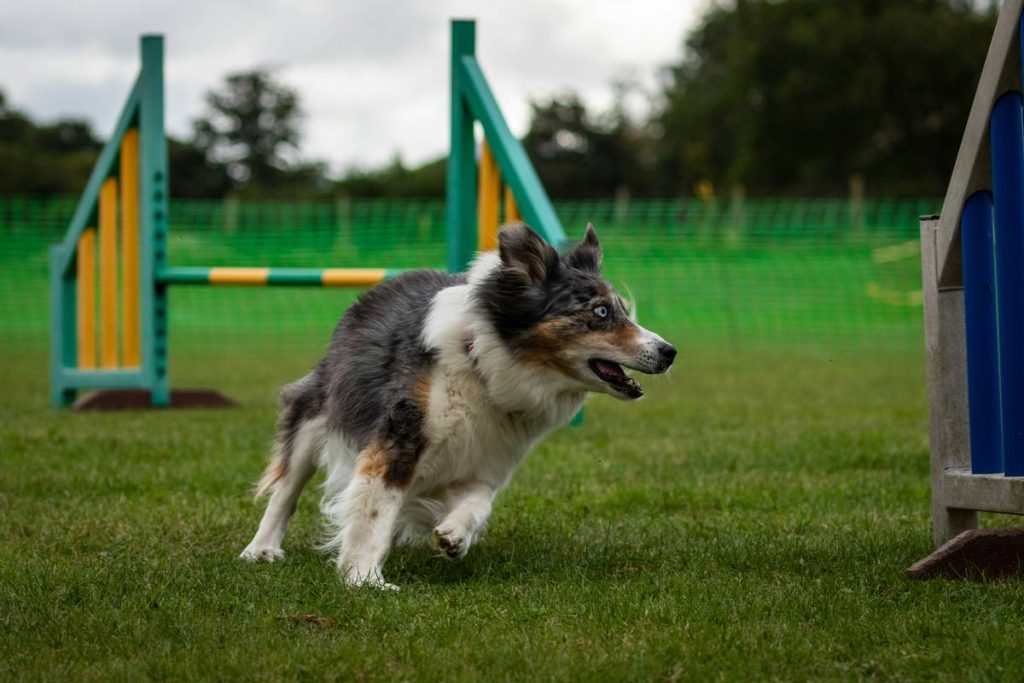
Ever watched your dog bolt toward a squirrel like it’s auditioning for Doggy Top Gun… only to realize they’re vanishing into traffic? Yeah. That pit-in-your-stomach panic is why quick recall isn’t just a “nice-to-have”—it’s non-negotiable.
You’re not alone: The ASPCA reports that over 6 million pets go missing annually in the U.S.—and poor off-leash control is a leading cause. But here’s the good news: with science-backed methods and consistent practice, you can build rock-solid recall, even with a distractible doodle or reactive rescue.
In this guide, you’ll learn:
- Why most owners fail at recall (and how to avoid the #1 mistake)
- A step-by-step training protocol vetted by certified behaviorists
- Real-world fixes for dogs who ignore you near squirrels, bikes, or other dogs
- Pro tips to make “come!” irresistible—even at full sprint
Table of Contents
- Why Recall Is a Lifesaver—Not a Trick
- How to Teach Quick Recall: Step-by-Step
- 7 Best Practices for Unbreakable Recall
- Real Dog, Real Results: Case Studies
- Quick Recall FAQs
Key Takeaways
- Quick recall saves lives—dogs with reliable recall are far less likely to be hit by cars or lost.
- Never punish your dog after they come to you; it destroys trust and future responsiveness.
- Use high-value rewards (like cooked chicken or cheese) during training—not kibble.
- Start in low-distraction environments and gradually increase difficulty using the “proofing” method.
- Consistency beats intensity: 3–5 short sessions daily beat one marathon drill.
Why Recall Is a Lifesaver—Not a Trick
Let’s clear this up: recall isn’t obedience theater. It’s emergency braking for your dog’s impulsive decisions. When your pup bolts after a deer or charges toward another dog, “come!” might be the only thing standing between a vet bill and tragedy.
I learned this the hard way. Early in my career as a certified professional dog trainer (CPDT-KA), I worked with Luna—a lightning-fast border collie mix. One afternoon in a fenced park, her leash snapped during a game of fetch. She spotted a jogger, took off like a furry missile… and vanished into a busy street. My heart stopped. Luckily, a neighbor caught her two blocks away—but she hadn’t responded to *any* of her owner’s desperate calls.
That day changed how I teach recall forever. Because here’s what most well-meaning owners miss: recall must always mean something amazing happens. Not a lecture, not being leashed and dragged home, not missing out on fun. If coming = punishment or boredom, why would any dog comply?
The American Veterinary Society of Animal Behavior (AVSAB) emphasizes that positive reinforcement is the gold standard for recall training. Punishment-based methods increase anxiety and reduce reliability—especially in high-arousal situations (AVSAB, 2021).
How to Teach Quick Recall: Step-by-Step
What’s the first thing you should do before saying “come”?
Choose a unique recall cue—never use “come” casually. Pick something novel like “Here!” or “To me!” so it stands out from everyday noise. Your dog’s name + cue (e.g., “Luna, HERE!”) works best for clarity.
Step 1: Start Indoors (Zero Distractions)
- Stand 2–3 feet from your dog.
- Say the cue once—then immediately reward with a high-value treat (think: shredded chicken, cheese cubes, or freeze-dried liver) **as soon as they move toward you**.
- Repeat 5x per session, 3x/day.
Step 2: Add Movement & Distance
Now back up 5–10 feet. Use an excited tone (“YES! COME ON!”), clap gently, or run backward to trigger chase instinct. Reward the *instant* all four paws hit your space.
Optimist You: “This is going great! My dog zooms to me like I’m made of bacon!”
Grumpy You: “Ugh, fine—but only if I get to sit down next time. My knees hate backyard sprints.”
Step 3: Proof in Controlled Distractions
Move to your backyard or quiet park. Introduce mild distractions: toss a toy nearby, have a calm friend stand 20 feet away. If your dog hesitates, don’t repeat the cue—go get them cheerfully and reset.
Step 4: Emergency Recall Upgrade
Create a “super cue” for life-or-death moments (e.g., “VENGEANCE!”—yes, really). Pair it with an ultra-high-value reward (like hot dog slices) used ONLY in emergencies. This keeps it potent.
7 Best Practices for Unbreakable Recall
- Never call to punish. If your dog ignores you outdoors, go get them—don’t turn recall into a trap.
- Always reward—but vary it. Sometimes it’s food, sometimes play, sometimes freedom. Predictability kills motivation.
- Practice randomly. Don’t just call when it’s time to leave the park. Call during walks, then release them again 90% of the time.
- Use a long line (15–30 ft). Gives control without restricting movement during proofing.
- Lower criteria when distracted. If your dog fails near squirrels, go back to easier environments and rebuild.
- Manage the environment. Don’t expect perfection off-leash in high-distraction zones until reliability is proven.
- Keep sessions short and joyful. 2–5 minutes max. End on a win!
⚠️ Terrible Tip Alert
“Yell louder if they ignore you.” Nope. Shouting triggers stress or shutdown. Calm, cheerful cues work better than angry barks. Save your vocal cords—and your dog’s trust.
Real Dog, Real Results: Case Studies
Case #1: Max, the Squirrel-Obsessed Lab
Max would vanish at the sight of a squirrel—no matter how hard his owner shouted. We rebuilt his recall from scratch using chicken rewards indoors, then practiced with a stuffed squirrel on a string at 20 feet. After 6 weeks of 3x/day mini-sessions, Max now checks in voluntarily during walks. His owner hasn’t yelled “MAX, NO!” in months.
Case #2: Zara, the Reactive Rescue
Zara lunged at other dogs and ignored calls. We taught her a “touch” command (nose to hand) as a recall alternative—it’s easier in high-stress moments. Paired with high-value salmon treats, she now disengages from triggers 80% of the time. Her owner says, “It’s like having brakes again.”
Quick Recall FAQs
How long does it take to train reliable recall?
Basic reliability (in low distractions) takes 2–6 weeks with consistent practice. Full off-leash reliability in parks or trails can take 3–6 months—especially for breeds with high prey drive.
Can I use a shock collar for recall?
No. The AVSAB and major veterinary behavior organizations oppose aversive tools due to risks of fear, aggression, and eroded trust. Positive methods are equally or more effective long-term (AVSAB, 2021).
My dog comes halfway, then stops. What do I do?
This is “partial recall.” Never chase—it turns into a game. Instead, run away to trigger chase instinct, or drop treats between you and your dog to lure them in. Always reward completion.
Should I say “come” every time I want my dog near me?
No! Overuse dilutes its power. Use casual phrases like “c’mere” for everyday moments. Reserve your formal cue for intentional training or emergencies.
Conclusion
Quick recall isn’t about control—it’s about communication. It’s the safety net that lets your dog experience more freedom while keeping them out of harm’s way. By using positive reinforcement, managing expectations, and practicing consistently, you’ll build a bond where “come” means joy, not jail.
So next time your dog spots a squirrel and your stomach drops… take a breath. With the right training, that word could be their lifeline—and your peace of mind.
Go ahead—grab some chicken, head to the backyard, and start today. Your future self (and your dog) will thank you.
Like a Tamagotchi, your dog’s recall needs daily care—or it dies.